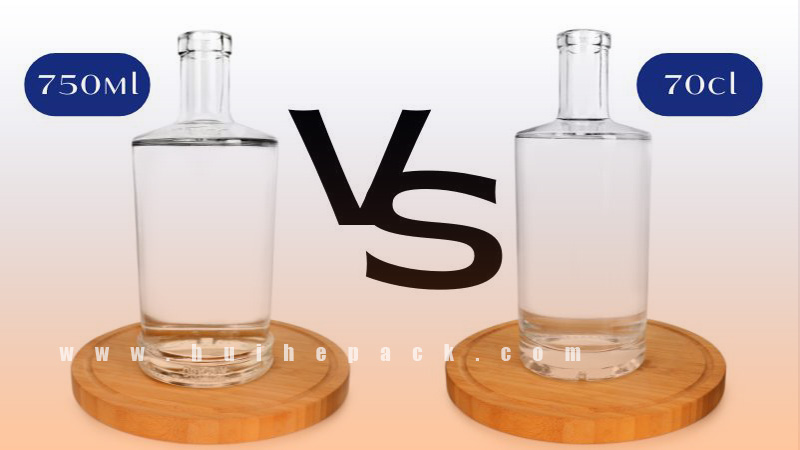
When you’re sourcing liquor bottles, choosing between 70cl vs. 750ml bottle sizes is a decision many spirits brands struggle with. At first glance, the difference seems small — just 50ml. But in reality, the size you choose can affect which markets you can sell in, whether your packaging meets local regulations, and how much you spend on production and logistics.
For brand owners, importers, and distributors, this is not simply a volume question. 70cl and 750ml liquor bottles follow different regional standards, and choosing the wrong one may lead to relabeling issues, limited distribution, or higher long-term costs. If you’re planning to sell across borders or scale your brand, understanding the real differences between these two standard liquor bottle sizes helps you make a safer, more cost-effective decision from the start.
What Is a 70cl Liquor Bottle?
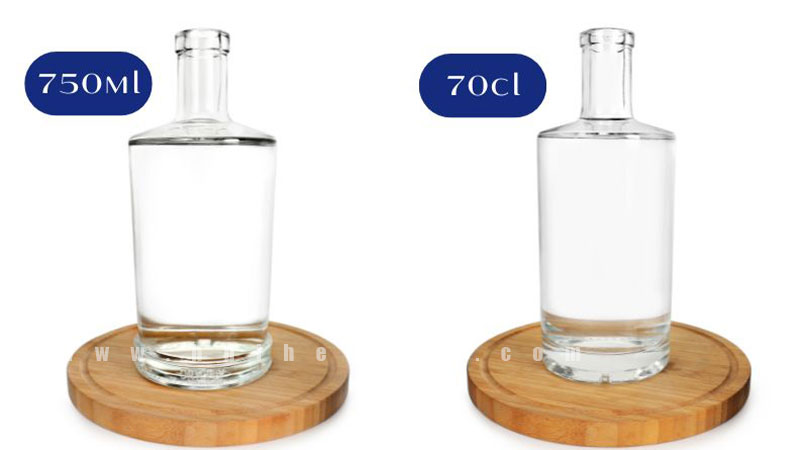
A 70cl liquor bottle holds 700ml of liquid and is widely recognized as the standard bottle size in Europe. You’ll most commonly see this 70cl alcohol bottle size used across the UK, EU countries, and Australia, especially in mainstream retail channels and duty-free stores.
This size is especially common for spirits such as whisky, gin, and vodka. For many European brands, 70cl is not a design choice but a market expectation. Retailers, distributors, and labeling systems are already built around it.
Historically, the 70cl format became the norm due to EU alcohol labeling and trade standards, which favored metric volumes that fit retail pricing and taxation models. As a result, using a 70cl bottle in Europe often means fewer compliance concerns and smoother distribution. If you are targeting European markets, choosing a 70cl liquor bottle is usually the safest and most widely accepted option.
What Is a 750ml Liquor Bottle?
A 750ml liquor bottle contains 750 ml of alcohol and is considered the standard liquor bottle size in the US. This format dominates the United States, Canada, and much of Latin America, and it is deeply embedded in how spirits are produced, distributed, and sold in North America.
For many US-based distilleries and distributors, the 750 ml alcohol bottle is the default. Filling lines, packaging equipment, case packing, and retail shelf layouts are all optimized around this size. Choosing a different volume can add unnecessary complexity, especially when working with large distributors.
The reason the US continues to use 750ml is largely historical. Imperial-to-metric transitions, federal regulations, and long-established retail practices all reinforced this volume as the norm. Today, deviating from the standard liquor bottle size US buyers expect can create friction in distribution rather than offering any real advantage.
70cl vs 750ml — Side-by-Side Comparison
| Feature | 70cl Liquor Bottle | 750ml Liquor Bottle |
| Actual Volume | 700 ml | 750 ml |
| Common Name | 70cl alcohol bottle size | 750 ml alcohol bottle |
| Primary Markets | UK, EU, Australia | USA, Canada, Latin America |
| Regulatory Alignment | EU alcohol labeling standards | US TTB standards |
| Typical Retail Expectation | Standard bottle size in Europe | Standard liquor bottle size US |
| Common Spirit Types | Whisky, gin, vodka | Vodka, tequila, rum |
| Export Convenience | Medium | High (Americas-focused) |
| Filling Line Compatibility | Minor adjustment in EU | Standard setup in US |
| Availability of Stock Molds | Widely available | Widely available |
Do Different Types of Spirits Prefer Different Bottle Sizes?
While bottle size is often driven by market regulations, certain spirit categories do show clear size preferences based on where they are sold and how they are positioned. Understanding these patterns helps you avoid packaging choices that work for one region but create friction in another.
Whisky / Whiskey
For whisky and whiskey brands, bottle size is closely tied to regional retail norms. In the UK and most EU countries, 70cl liquor bottles are extremely common and widely accepted across both mass and premium segments. Retail shelves, pricing tiers, and labeling systems are all built around this format.
In contrast, the US market strongly favors the 750ml liquor bottle, which is treated as the default size for whiskey. Most American distributors expect it, and using a different volume can limit channel access without offering any real benefit. For whisky brands selling on both sides of the Atlantic, size choice is usually driven by destination market, not brand style.
Vodka
Vodka is one of the most globally distributed spirits, and its bottle size strategy often reflects that reach. The 750 ml alcohol bottle performs especially well in North America, e-commerce, and duty-free channels, where standardization and shipping efficiency matter.
At the same time, 70cl bottles remain the safer option for European retail, where compliance with local labeling standards and shelf expectations is key. Many export-focused vodka brands choose bottle designs that can support both 70cl and 750ml fills, allowing them to serve multiple regions without changing the overall look of the bottle.
Gin
Gin shows one of the clearest regional patterns. The UK is a major gin market, and 70cl is the typical bottle size used by both established brands and craft producers. For gin, size is not only about volume but also about visual balance.
Craft gin brands, in particular, pay close attention to bottle proportions. A change from 70cl to 750ml can subtly affect height, shoulder position, or label placement, which means it’s not always a simple “add 50ml” decision. For design-driven gin brands, maintaining the right bottle proportions often matters as much as meeting market standards.
Tequila
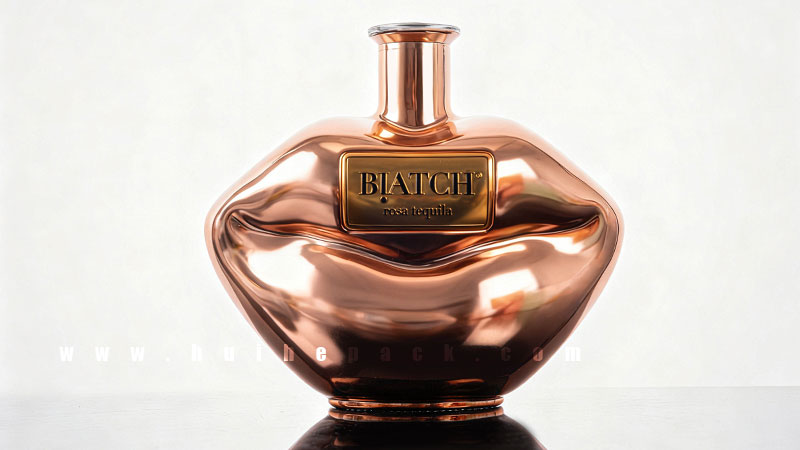
For tequila, the size preference is more straightforward. The US is the largest tequila market, and 750ml bottles are the clear standard. Distributors, retailers, and consumers all expect this format, making it the most practical choice for brands focused on export growth.
While 70cl tequila bottles do exist in Europe, they are not the dominant format. As a result, many tequila brands prioritize 750ml bottle sizes to keep their packaging aligned with US distribution first, then adapt for secondary markets if needed.
Which Markets Require 70cl or 750ml Bottles?
When you look at liquor bottle sizes by country, the pattern is fairly clear: different markets are built around different standard volumes. Choosing the right size early helps you avoid unnecessary compliance issues when exporting.
In the UK and most EU countries, 70cl bottles are the safer choice. This size aligns well with European retail systems, alcohol labeling practices, and distributor expectations. While other volumes may be allowed, 70cl remains the most widely accepted and easiest format to move through the supply chain.
In the United States, the situation is much more rigid. The 750ml liquor bottle is treated as the default, and most distributors, retailers, and filling operations are set up specifically for it. Using a non-standard size in the US can create friction in approvals, pricing, and shelf placement, even if it is technically legal.
For cross-border brands, this creates a very real packaging challenge. Many brands want to keep one bottle shape while selling into multiple regions. The key questions usually are:
- Can the same bottle design support both 70cl and 750ml fills?
- Is it possible to use the same mold, or will capacity changes affect bottle height or proportions?
In many cases, it is feasible to serve multiple markets with one bottle design, but it depends on mold structure, internal volume tolerance, and filling line requirements. Understanding these export liquor bottle requirements early allows you to plan a bottle strategy that works across regions without increasing cost or complexity later.
Cost, Logistics & Production Differences (B2B Focus)
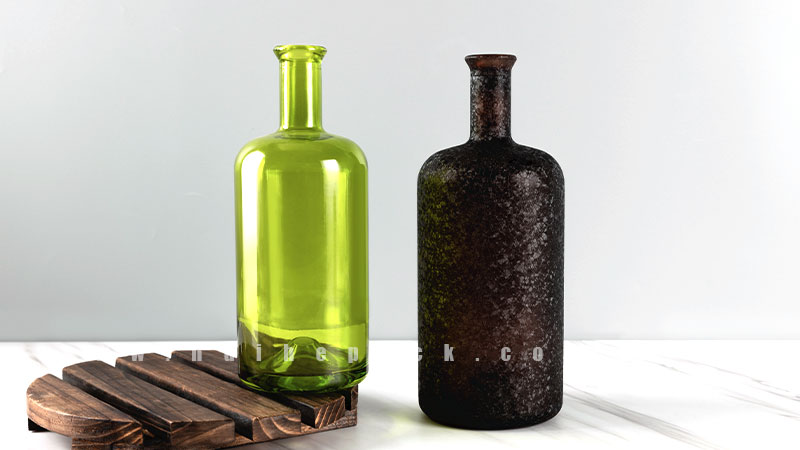
From a production perspective, the glass weight of 70cl and 750ml bottles is often similar, especially when the same bottle shape is used. The 50ml difference usually comes from internal volume adjustment, not thicker glass. However, weight can change if the bottle height or base design is modified.
Where the difference becomes more noticeable is in carton packing and shipping. A small change in bottle height can affect:
- How many bottles fit in one outer carton
- Carton dimensions
- Gross weight per case
For ocean freight, these details matter. Changes in case weight and pallet efficiency can impact shipping cost over large volumes, even when the bottle size difference looks minimal on paper.
On the filling side, 70cl and 750ml usually require different fill settings. In Europe, many filling lines can switch between the two with minor adjustments. In the US, most production lines are already optimized for 750ml bottles, making that size more efficient for North American operations. Factoring in these production and logistics details early helps avoid cost surprises later.
Can You Customize 70cl and 750ml Bottles?
Yes — custom liquor bottle sizes are possible, but how you approach customization matters.
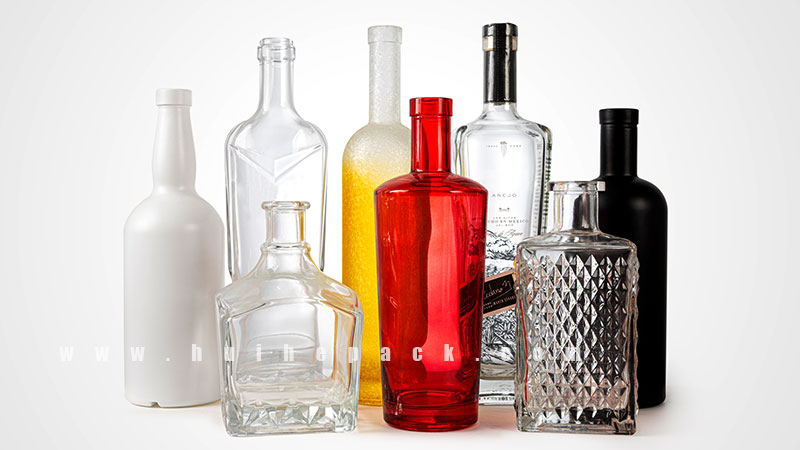
Both 70cl and 750ml bottles have widely available industry molds, which are commonly used by many brands. These standard molds help keep tooling costs and MOQs lower, especially for first-time orders.
In some cases, manufacturers can offer small volume adjustments of ±10–30ml using existing mold structures. This depends on the bottle’s internal geometry and is usually discussed early in the design phase.
If a new mold is required, the impact is mainly on MOQ and upfront tooling cost. Custom molds typically require higher order volumes to remain cost-effective, which is why many brands start with a standard 70cl bottle mold or work with an experienced 750ml bottle manufacturer before moving to fully custom tooling.
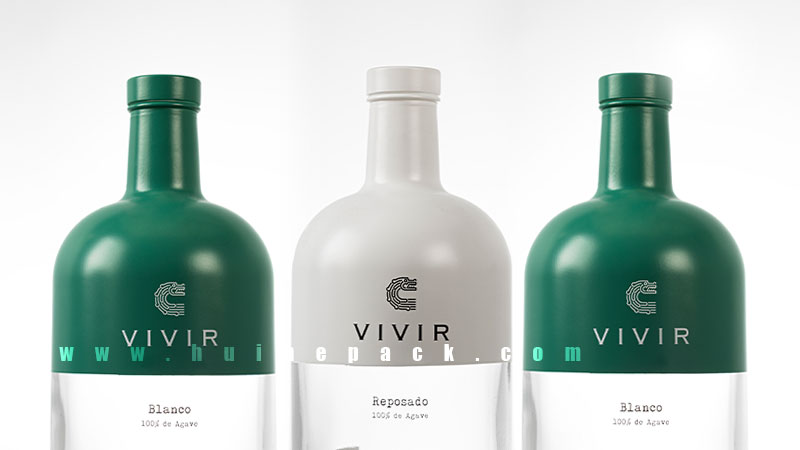
It’s also important to remember that customization is not only about volume. Design changes often involve:
- Bottle height, which affects shelf presence and packing
- Shoulder shape, which influences label layout
- Base thickness, a key factor for premium and super-premium spirits
For high-end brands, base weight and balance are often just as important as capacity.
How to Choose the Right Size for Your Brand
If you’re deciding between 70cl vs 750ml liquor bottle sizes, a simple framework can help:
- If you sell mainly in the US, choose 750ml
- If you target the UK or EU, 70cl is usually the safer option
- If you export globally, consider a dual-size strategy using one bottle design
- If you want one bottle shape, confirm mold compatibility and volume tolerance first
The right choice is not about which size is “better,” but which one fits your target market, production setup, and long-term distribution plan.

FAQ: 70cl vs 750ml Liquor Bottle Sizes
1. Is 70cl the same as 750ml?
No. A 70cl bottle holds 700ml, while a 750ml bottle holds 750ml. The difference is 50ml, but in practice this affects market acceptance, labeling standards, and filling line setup, especially when exporting.
2. Why do Europe and the UK prefer 70cl bottles?
In the UK and EU, 70cl has long been treated as the standard bottle size in Europe. Retail systems, alcohol labeling rules, and distributor expectations are built around this format, making it the most straightforward option for European sales.
3. Can I use the same bottle design for both 70cl and 750ml?
In many cases, yes. Some bottle designs can support both volumes using the same mold, depending on internal capacity tolerance and filling level. This should be confirmed early with the bottle manufacturer before finalizing the design.
4. Does switching from 70cl to 750ml increase glass weight?
Not necessarily. The glass weight is often similar if the same bottle shape and base thickness are used. Weight changes usually happen only if height, shoulder shape, or base design is modified.
5. Do 70cl and 750ml bottles affect shipping costs differently?
Yes. Small differences in bottle height or case packing may change carton dimensions, bottles per case, and gross weight, which can affect pallet efficiency and ocean freight costs at scale.
6. Are there standard molds available for 70cl and 750ml bottles?
Yes. Both sizes have widely used industry molds, which help keep tooling costs and MOQs lower. These are commonly used by brands that want reliable supply and faster lead times.
7. Can bottle volume be adjusted without making a new mold?
Sometimes. Small adjustments of ±10–30ml may be possible using existing molds, depending on the bottle’s internal geometry. Larger changes usually require a new mold.
8. Should bottle size be decided before branding and labeling?
Yes. Bottle size affects label dimensions, fill height, and visual proportions. Finalizing size early helps avoid redesign work later in the packaging process.