
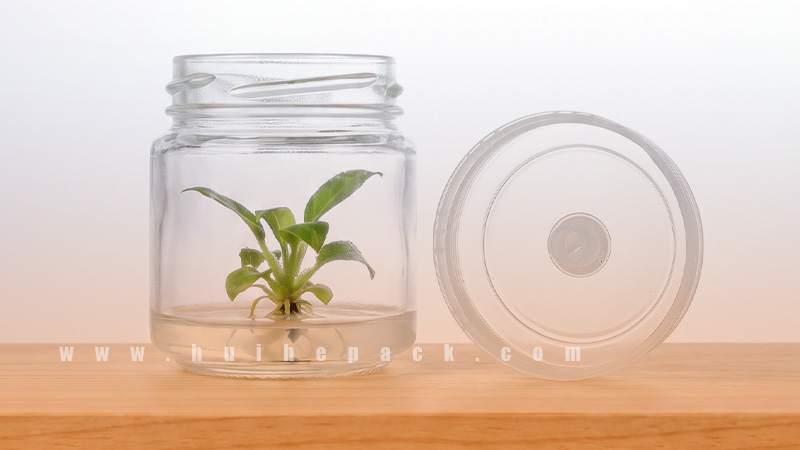
Choosing a glass tissue culture jar is not just about picking the right capacity. For plant micropropagation, the jar affects how much growing space you have, how easily you can handle plantlets, how well air can move through the vessel, and how practical the jar is to sterilize and reuse.
If you are comparing plant tissue culture jars for a laboratory, nursery, research project, or commercial propagation line, this guide will help you choose the right vessel for your workflow.
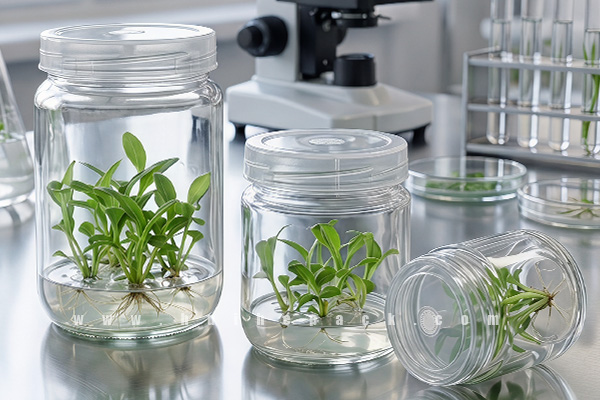
Choose Your Jar Based on the Micropropagation Stage
Your ideal jar can change as your plantlets develop. Instead of choosing one size for every stage, consider how much space your cultures actually need.
| Micropropagation Stage | What You Need | Useful Jar Features |
| Initiation | Small explants and easy observation | Compact size, clear glass |
| Shoot multiplication | Multiple shoots and frequent handling | Wide opening, moderate capacity |
| Rooting | More vertical growing space | Taller jar, adequate headspace |
| Plantlet development | Larger plants and stronger growth | Larger capacity, more internal space |
For example, a compact glass tissue culture jar may work well during early initiation, while taller or larger jars can be more practical as plantlets develop.
How to Choose the Right Tissue Culture Jar Size
Capacity is one of the first things you will probably compare, but it should not be your only consideration.
Think about four points:
- Culture volume: Make sure there is enough room for your media and plant material without filling the jar too high.
- Plantlet size: Taller plants need sufficient vertical space to develop without touching the lid.
- Number of plantlets: If you culture several shoots in one vessel, a wider jar may be more useful than a tall, narrow design.
- Headspace: Leave enough space above the culture. Headspace supports air exchange and gives developing plantlets room to grow.
Two jars with the same nominal capacity can have very different internal dimensions. When you are selecting a tissue culture jar for micropropagation, check the actual height, diameter, opening, and usable growing area—not just the number printed on the specification sheet.
Choose the Right Jar Shape and Opening
Jar shape affects both plant growth and daily handling.
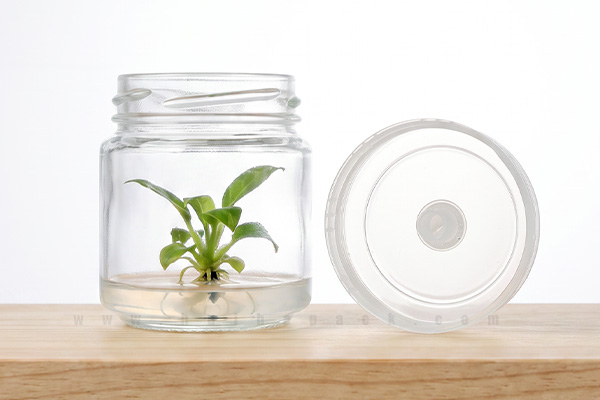
A round glass tissue culture jar is simple to clean and provides a clear view from different angles. A straight-sided or wide-mouth design can make it easier for you to add media, place explants, remove plantlets, and carry out routine subculturing.
If you expect frequent handling, pay close attention to the opening. A slightly wider mouth can save time during repeated culture transfers.
For commercial micropropagation, consistent dimensions are also important. Using jars with the same shape and opening makes your workflow easier to standardize.
How to Choose the Right Tissue Culture Jar Lid
The lid is just as important as the glass vessel. Your choice should depend on how much gas exchange your culture system requires.
Sealed Lids
A sealed lid provides a closed environment and can be useful when controlled air exchange is not the main requirement. It also gives you a simple closure for storage and handling.
Vented Lids
A vented tissue culture jar allows controlled gas exchange while keeping the culture protected. This can be useful for plant propagation systems where ventilation is important.
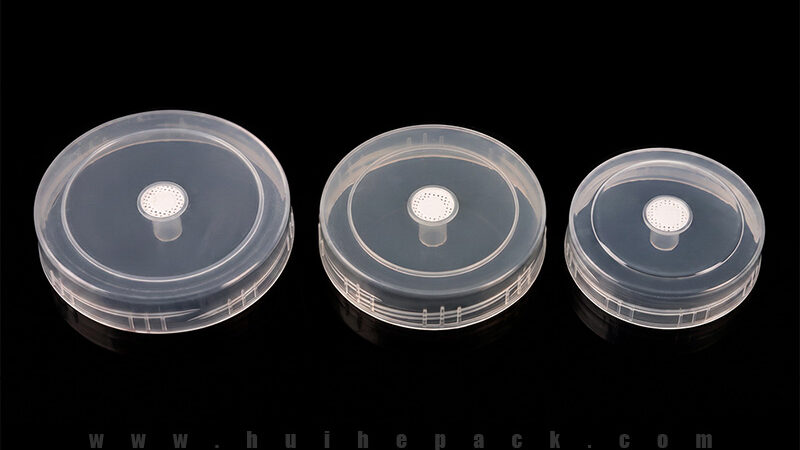
Breathable Lids
A breathable or membrane-sealed lid is designed to allow gas exchange while helping reduce unwanted particle or microbial entry. This can be a practical option when you need ventilation without leaving the vessel openly exposed.
When comparing lids, do not look at the lid alone. Consider the jar, lid, gasket and membrane as one system. The complete setup should match your sterilization process and culture requirements.
What Glass Is Best for Tissue Culture Jars?
The right glass depends on how you plan to use and sterilize the jar.
- Borosilicate glass offers excellent thermal shock resistance and can be a good choice for demanding sterilization cycles.
- Soda-lime glass is a widely used and cost-effective option for many standard applications.
- Clear glass is particularly useful when you need to monitor plantlets, media and condensation easily.
You do not always need the most expensive glass. Instead, match the glass type to your sterilization method, thermal requirements, expected reuse and budget.
Check Sterilization Compatibility Before Buying
If you plan to reuse your glass tissue culture jars, sterilization should be considered before you place a bulk order.
Check whether the glass is suitable for your autoclave process and whether the lid can handle the same conditions. Repeated heating and cooling can put stress on both the container and closure.
It is also worth checking the complete assembly. A jar may tolerate your sterilization cycle, but the lid, gasket or breathable membrane may have different limitations.
For this reason, always test the jar + lid combination before moving to large-scale purchasing.
Look for Good Optical Clarity
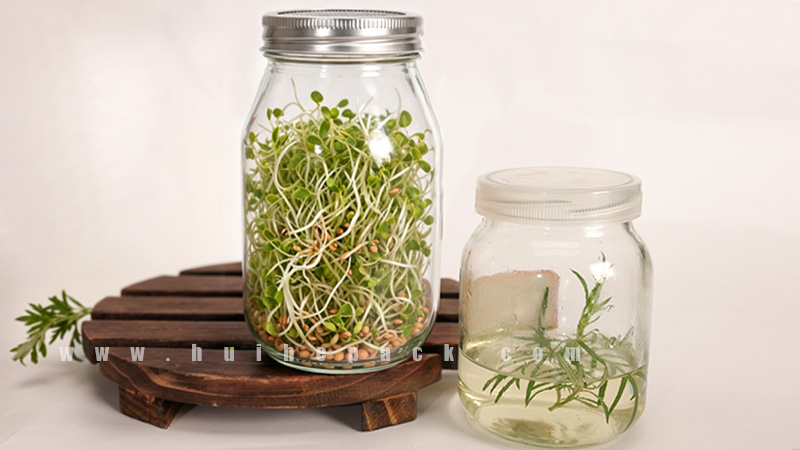
Clear glass is one of the practical advantages of a glass tissue culture jar. You can check plantlet development, rooting, media condition and condensation without opening the container.
Good visibility is especially helpful when you are monitoring many cultures at the same time. It can also make routine inspection faster and reduce unnecessary opening of the vessel.
Reusable Glass Jars vs. Disposable Culture Vessels
If your operation runs repeated propagation cycles, reusable glass jars can be worth considering.
They offer good durability, clear visibility and repeated use when properly sterilized. The main trade-off is that glass is heavier and can break if handled poorly.
Disposable plastic vessels can be lighter and easier to transport, but they generate more waste and may not fit every long-term culture workflow.
If you already have an established sterilization process, reusable glass tissue culture jars can be a practical option for long-term use.
Tissue Culture Jar Selection Checklist
Before choosing your plant tissue culture jars, check:
- Suitable capacity and internal dimensions
- Enough headspace for plantlet growth
- Appropriate opening size
- Good optical clarity
- Glass compatible with your sterilization process
- Lid suitable for your gas exchange requirements
- Secure closure and good fit
- Easy cleaning and repeated handling
- Consistent dimensions for batch production
Which Tissue Culture Jar Should You Choose?
The right choice depends on your actual workflow.
If you need easy explant handling, look for a wide-mouth jar.
If you need more gas exchange, consider a vented or breathable lid.
If you grow taller plantlets, prioritize internal height and headspace.
If you run repeated culture cycles, focus on durable glass and sterilization compatibility.
If you need easy visual inspection, clear glass is usually the practical choice.
For commercial projects, you should also consider consistency, packaging, lid compatibility and supply capacity—not just the jar itself.

Choosing Glass Tissue Culture Jars for Commercial Micropropagation
For larger propagation projects, HUIHE PACK can supply glass tissue culture jars with different capacities, dimensions and closure options to match your application.
You can choose from standard jar formats and lid configurations, including vented and breathable options. Custom solutions can also be developed for specific capacity, jar dimensions, lid design, branding and packaging requirements.
Before placing a bulk order, it is always a good idea to test samples first. You can check the actual opening, internal space, lid fit, glass clarity and sterilization performance before moving into production.
Looking for the right glass tissue culture jar for your plant micropropagation project? Explore HUIHE PACK’s Glass Tissue Culture Jar range or contact HUIHE PACK to discuss your size and lid requirements.

FAQ
What size jar is best for plant tissue culture?
There is no single best size. Choose according to your culture volume, number of plantlets, plant height and required headspace.
Are glass tissue culture jars autoclavable?
Many glass jars can be used for autoclave sterilization, but you should always confirm the glass specification and check whether the complete jar-and-lid assembly is compatible.
Should a tissue culture jar have a vented lid?
A vented lid can be useful when your culture system needs controlled gas exchange. The best choice depends on your plant species, culture stage and propagation method.
Are glass jars better than plastic containers for micropropagation?
Glass jars offer good visibility, durability and reusability. Plastic vessels may be lighter and more convenient for some workflows. Your sterilization process, budget and production scale should guide the choice.
How do I choose the right lid for a tissue culture jar?
Start with your gas exchange and contamination-control requirements, then check the lid’s fit, material and sterilization compatibility with the glass jar.