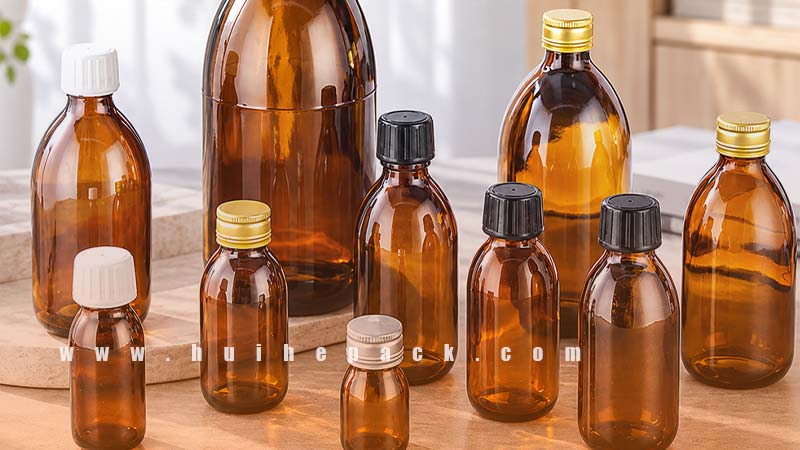
Choosing the right amber glass bottle for oral liquid packaging involves more than picking a bottle in the right color. You need to consider your formula, filling volume, bottle shape, closure system, light protection, and quality requirements. The right packaging helps protect your product, supports efficient filling, and gives your brand a reliable presentation.
For pharmaceutical companies, nutraceutical brands, and oral liquid manufacturers, these details matter even more. A bottle that looks suitable may not provide the compatibility or sealing performance your product needs.
In this guide, we’ll walk you through the key factors to consider when choosing amber glass bottles for oral liquid packaging, so you can make a more informed decision before placing a bulk order.
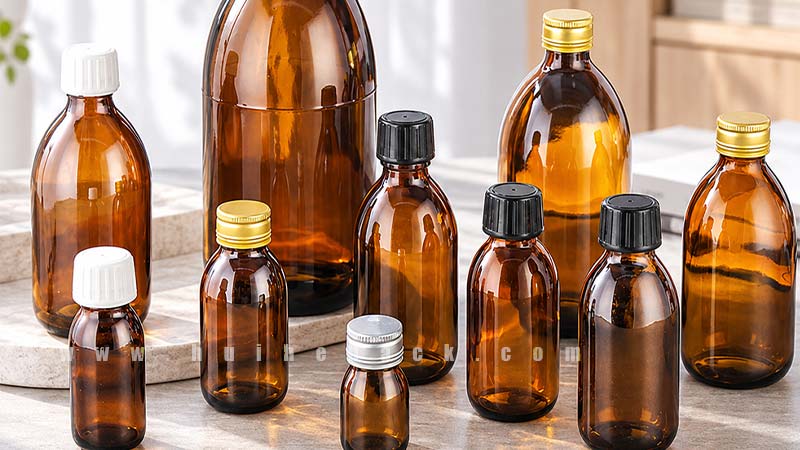
1. Understand Your Oral Liquid Product First
Before selecting a bottle, start with the product you plan to package. Different oral liquids have different packaging needs, and the right bottle depends on how your formula behaves during storage and use.
Identify your product type. Common applications include oral syrups, liquid supplements, herbal extracts, and other liquid healthcare products. Each may require a different bottle capacity, dispensing method, and level of protection.
Check your formula characteristics. Acidity, alcohol content, viscosity, and other ingredients can affect material compatibility. Make sure the selected glass and closure components are suitable for your specific formulation.
Consider light sensitivity. Some ingredients may break down when exposed to light. If your formula is light-sensitive, amber glass may help reduce exposure to certain wavelengths.
Review storage and distribution conditions. Think about the expected shelf life, storage temperature, shipping environment, and how customers will use the product after opening.
By understanding these requirements first, you can narrow down your bottle options and avoid choosing packaging based on appearance alone.
2. Choose the Right Amber Glass Bottle Capacity
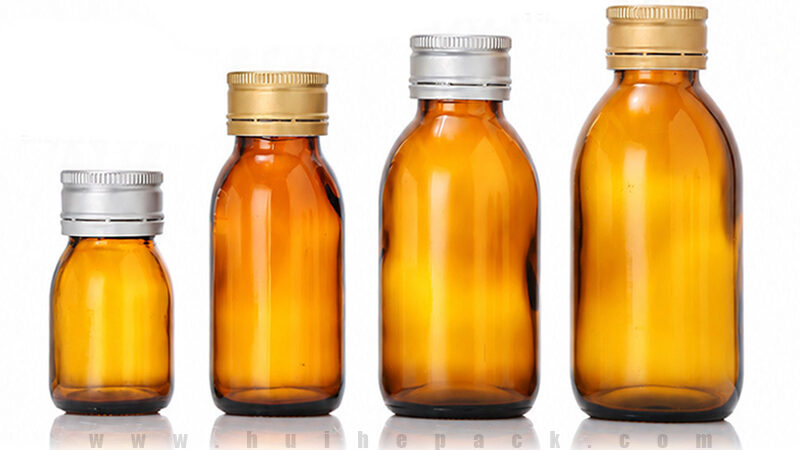
Bottle capacity is one of the first details to confirm when sourcing amber oral liquid bottles. The right size depends on the intended dosage, total product volume, packaging design, and usage frequency.
Small-Capacity Bottles
Small amber glass bottles may suit concentrated liquid supplements, herbal extracts, sample products, and other applications that require limited quantities. Their compact size can make them convenient to handle and pack.
When selecting a small bottle, pay close attention to the neck opening and dispensing method. The bottle should allow the product to be filled accurately and dispensed in a controlled way.
Medium-Capacity Bottles
Medium-capacity bottles can be suitable for oral syrups, liquid supplements, and products intended for repeated use. They offer a practical balance between product volume and everyday handling.
Check whether the bottle provides enough room for the intended fill volume, closure, and any dispensing accessories. The label area should also be large enough for required product information.
Large-Capacity Bottles
Larger amber glass bottles may be appropriate for products sold in higher volumes or used frequently. However, a larger bottle is not always the best choice.
Consider the filled weight, ease of handling, storage space, and compatibility with your filling and packaging lines.
When comparing amber glass bottle sizes, distinguish between nominal capacity and the actual filling volume. You should also confirm the bottle’s height, diameter, and neck finish before finalizing your packaging design.
3. Select a Bottle Shape That Fits Your Production Needs
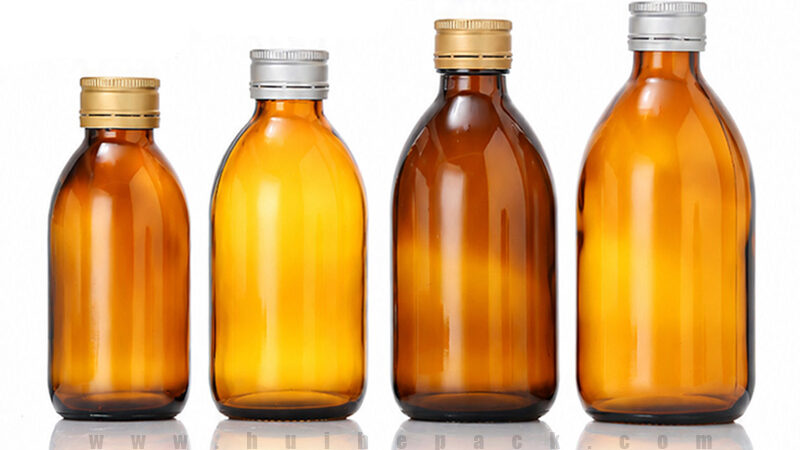
The shape of an amber glass bottle affects more than its appearance. It can influence filling efficiency, labeling, packing, storage, and the overall user experience.
Round bottles are a common option for oral liquid packaging. Their familiar shape can work well for many standard packaging designs, although actual line compatibility still needs to be checked.
Slim bottles may be suitable when shelf space and compact packaging are important. Before choosing one, confirm that the bottle remains stable during filling, labeling, and handling.
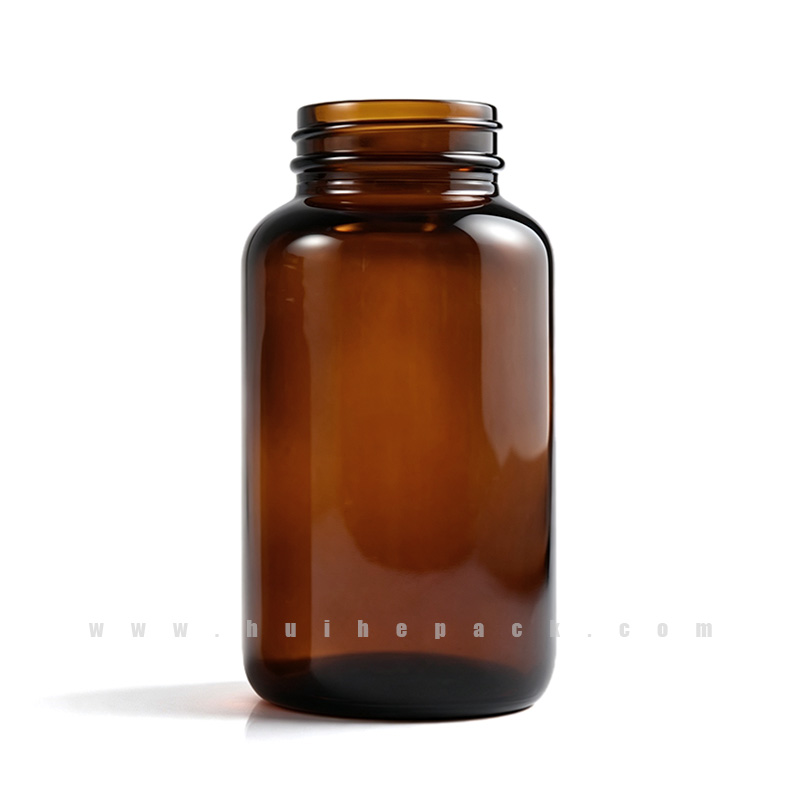
Wide-neck bottles can provide easier access for certain filling operations, but the neck must match the closure and dispensing requirements of the product.
When reviewing bottle shapes, consider the shoulder design, base stability, wall consistency, and available label area. If you plan to use automatic filling or labeling equipment, test the bottle on your actual production line whenever possible.
For bulk orders, consistent dimensions are particularly important. Small differences in bottle height, diameter, or neck finish can create problems when packaging components and production equipment need to fit together precisely.
4. Match the Amber Glass Bottle with the Right Closure
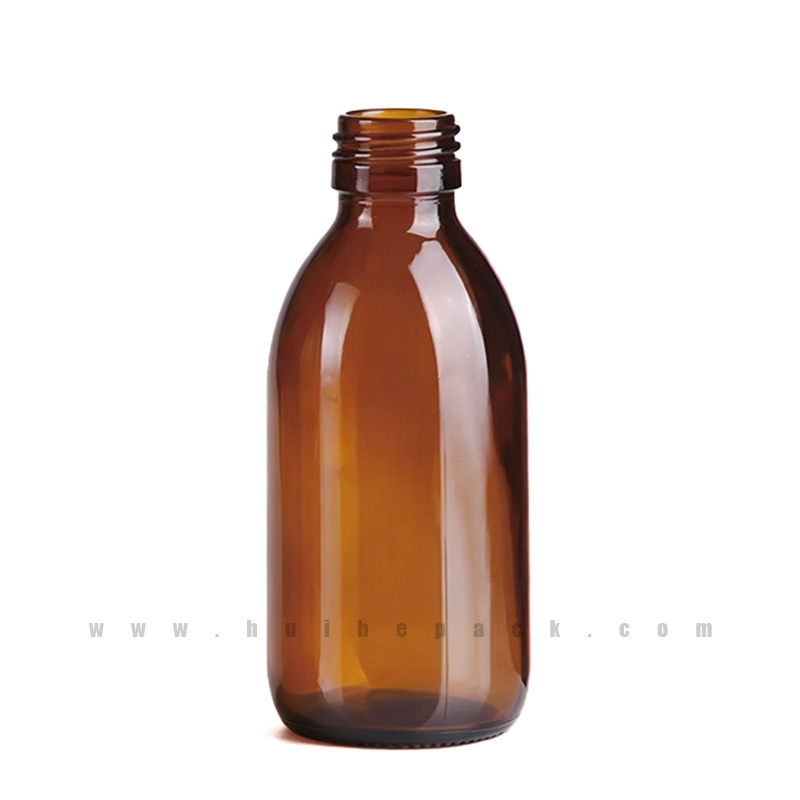
The bottle and closure should be treated as one packaging system. Even a well-made glass bottle may not perform as expected if the cap, liner, or dispensing component is unsuitable.
Screw Caps
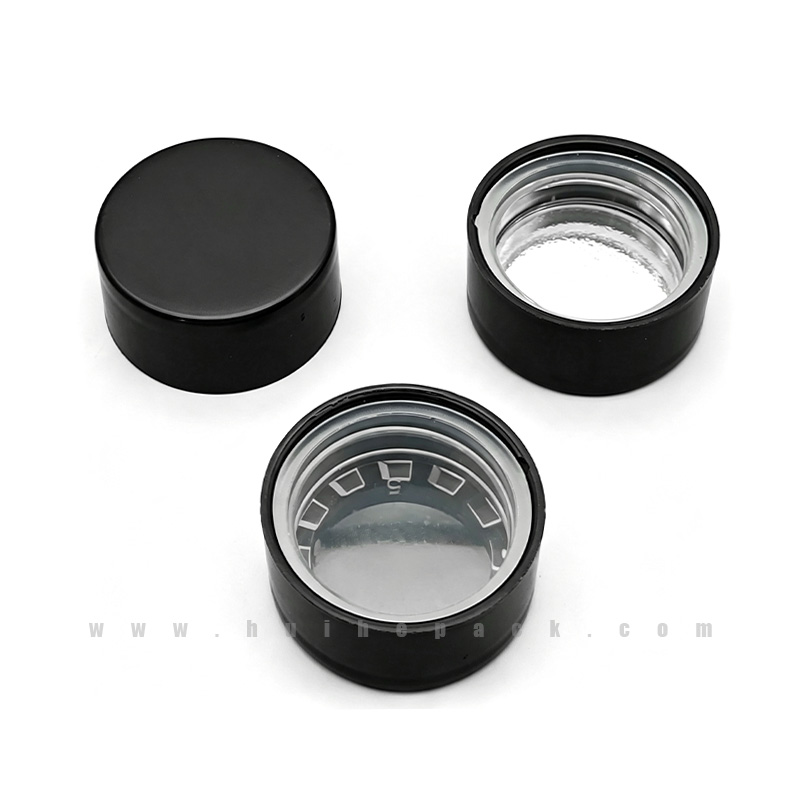
Screw caps are a practical option for many oral liquid bottles. They are easy to open and close and can be paired with suitable liners to support sealing performance.
When selecting a screw cap, confirm the neck finish, thread specifications, liner material, and compatibility with your formula.
Tamper-Evident Closures
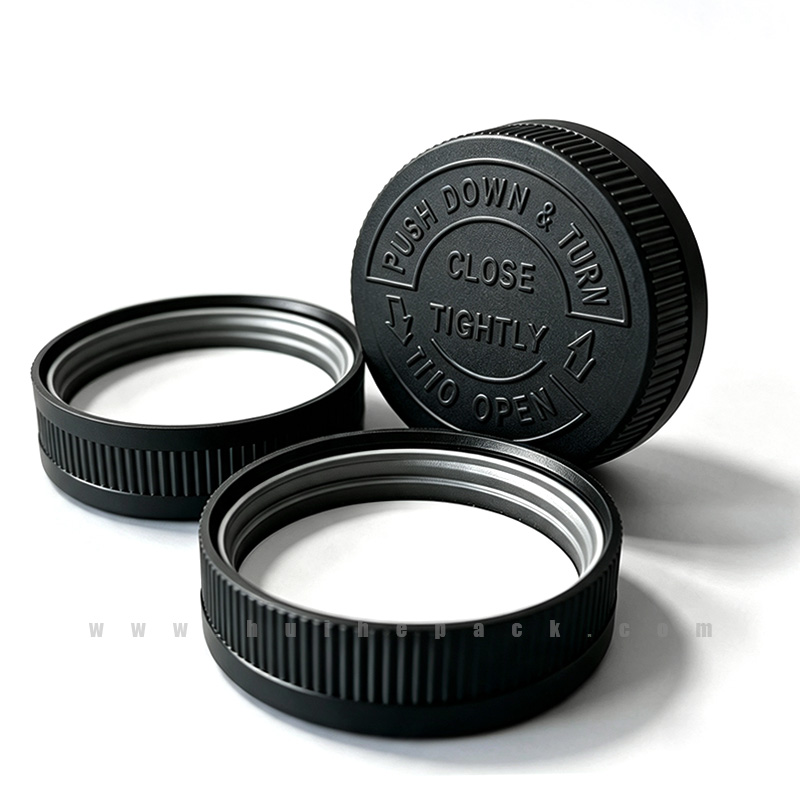
For products where visible evidence of opening is required or preferred, a suitable tamper-evident closure may be worth considering.
The closure should be compatible with the bottle and meet the applicable requirements for your product and target market. Its tamper-evident feature should not be confused with a guarantee of container-closure integrity.
Measuring Cups and Oral Dosing Accessories
Some oral liquid products require a measuring cup or another dosing accessory. These components should support the intended method of use and provide clear, practical dosing instructions.
Not every oral liquid bottle needs the same dispensing system. Choose accessories based on the product’s intended use and applicable requirements.
Before approving a closure, test the complete bottle-and-cap combination. Check for leakage, ease of opening, application torque where relevant, and performance under expected transport and storage conditions.
5. Evaluate the Light Protection of Amber Glass
One of the main reasons buyers choose amber glass bottles for oral liquid packaging is their ability to reduce exposure to certain wavelengths of light.
Amber glass contains colorants that change how light passes through the material. Compared with clear glass, it can provide better protection against some ultraviolet wavelengths and, depending on its composition, portions of the visible spectrum.
This can be helpful for light-sensitive formulations. However, not all amber glass provides the same level of protection.
What Should You Check?
Glass color and light transmission: A similar-looking amber bottle does not necessarily have the same light-blocking performance as another bottle. Ask for relevant technical data when light protection is important.
Formula sensitivity: Different ingredients respond differently to light. The required protection depends on your actual formulation and stability requirements.
Storage conditions: Packaging performance should be evaluated alongside the expected temperature, light exposure, and distribution environment.
Product stability: If your formula is sensitive to light, appropriate stability testing can help determine whether the selected bottle provides sufficient protection.
Remember that amber glass does not automatically guarantee a specific shelf life. Your packaging choice should be supported by the product’s stability data and storage requirements.
6. Check Glass Compatibility and Quality Requirements
When sourcing amber pharmaceutical glass bottles, appearance is only one part of the evaluation. You also need to confirm that the packaging is suitable for its intended use.
Start by reviewing the glass material specifications and the quality documents available from your supplier. For pharmaceutical applications, the required documentation and testing depend on the product, destination market, and applicable standards.
Review Key Quality Factors
- Dimensional consistency: Check bottle height, diameter, capacity, and neck finish against the agreed specifications.
- Visual quality: Inspect for cracks, chips, bubbles, and other defects according to the applicable acceptance criteria.
- Chemical compatibility: Evaluate whether the glass and closure materials are suitable for contact with your formulation.
- Container-closure integrity: Where required, assess the complete packaging system for its ability to maintain the necessary seal.
- Traceability and documentation: Confirm the availability of relevant material specifications, inspection records, and quality documents.
For pharmaceutical products, do not assume that every amber glass bottle meets pharmaceutical packaging standards simply because it is made of colored glass.
You should confirm the applicable pharmacopoeial or regulatory requirements for your product and target market. Depending on the application, additional testing or documentation may be necessary before the packaging can be approved.
Working through these checks early can help reduce the risk of packaging changes after production has started.
7. Consider Customization and Bulk Supply
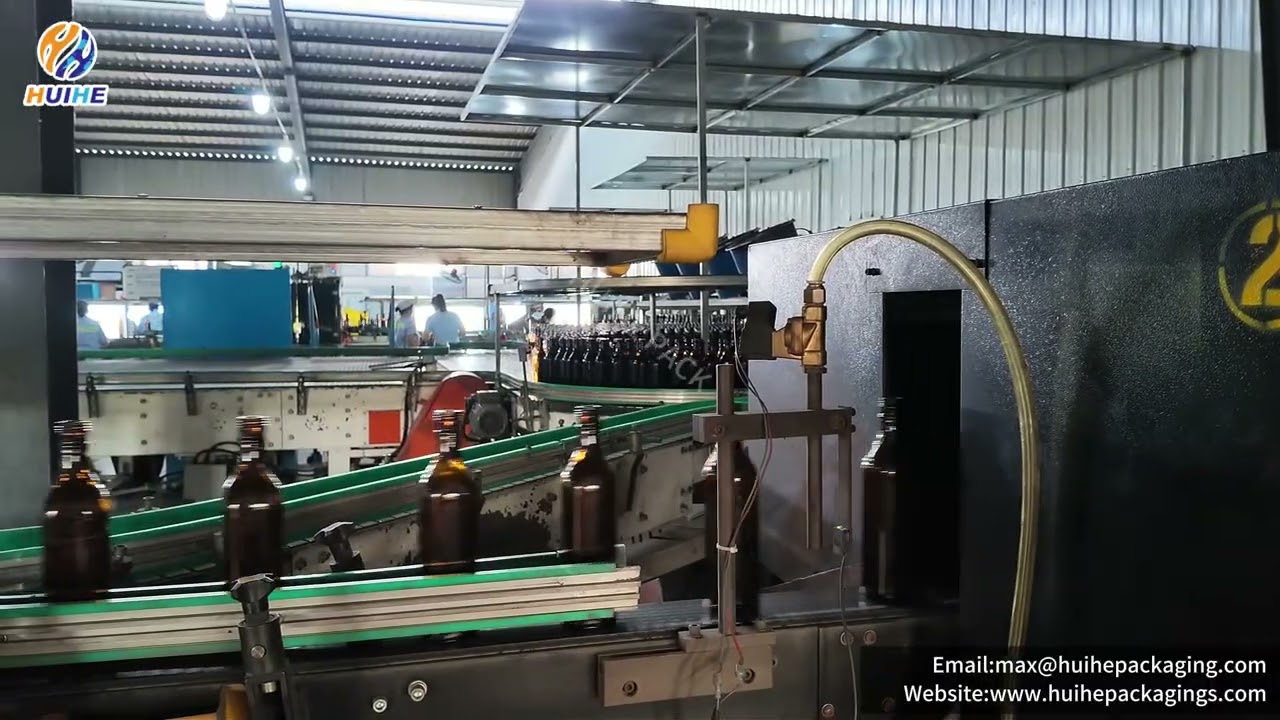
For brands purchasing amber oral liquid glass bottles in bulk, customization and supply reliability are also important.
If you already have a bottle design, check whether an existing mold can meet your capacity and dimensional requirements. Using an available design may help simplify sourcing, while a custom mold may be worth considering when a unique shape or specific technical feature is essential.
You can also evaluate suitable options for labeling, screen printing, and other branding finishes. Any coating, ink, or decorative material should be assessed for suitability when used on packaging intended for pharmaceutical or healthcare products.
Before confirming a bulk order, discuss the following with your supplier:
- Available capacities, dimensions, and neck finishes.
- Compatible closures and dispensing accessories.
- Minimum order quantity (MOQ) and production lead time.
- Sample availability and approval procedures.
- Quality inspection requirements and batch consistency.
- Packaging methods for storage and transportation.
It is also wise to test production samples before approving mass production. Confirm that the bottles work with your filling equipment and that the selected closure performs as expected.
A supplier that can coordinate bottle specifications, compatible closures, quality checks, and bulk delivery can make the purchasing process easier to manage.
8. A Final Checklist Before Ordering Amber Oral Liquid Bottles
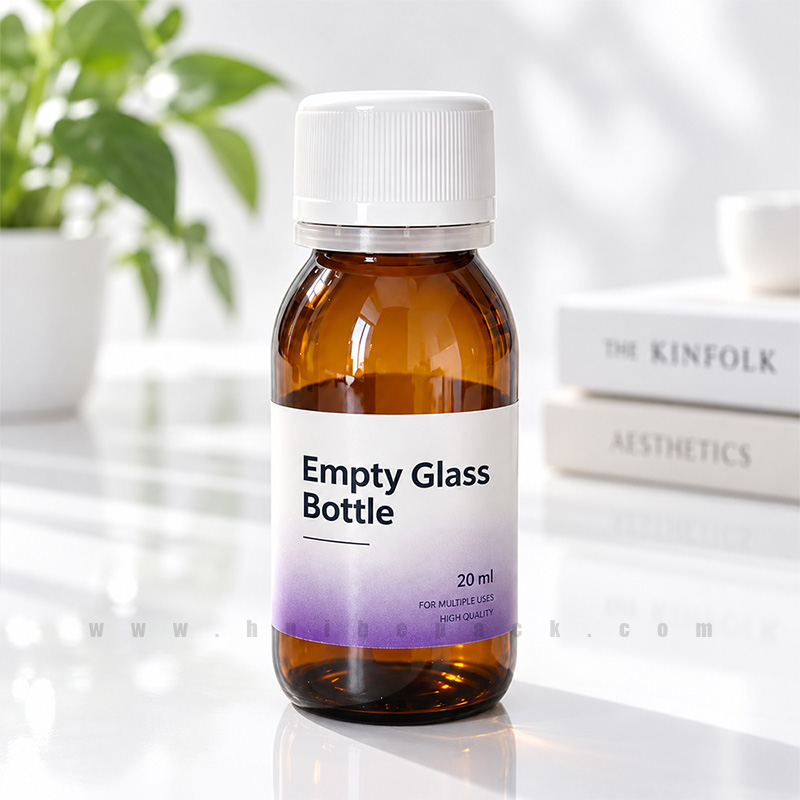
Before placing your order, take a moment to review these key questions:
- Does the bottle suit your formula and intended storage conditions?
- Is the capacity appropriate for the required fill volume and dosage?
- Does the bottle shape fit your filling, labeling, and packing equipment?
- Is the neck finish compatible with the selected closure?
- Does the amber glass provide the required level of light protection?
- Have you reviewed the relevant quality documents and testing requirements?
- Have you confirmed MOQ, lead time, samples, and bulk supply conditions?
If you can answer these questions clearly, you will be in a much better position to choose packaging that meets your product and production needs.
Choose the Right Amber Glass Bottles for Your Oral Liquid Products
The right amber glass bottle should do more than hold your product. It should suit your formulation, provide the required protection, work with your filling process, and support consistent packaging quality.
For pharmaceutical companies, nutraceutical brands, and oral liquid manufacturers, a careful review of bottle capacity, shape, closure compatibility, light protection, and quality requirements can help avoid costly changes later.
At HUIHE PACK, you can explore our amber oral liquid glass bottles to find options for your packaging project. Share your required capacity, bottle dimensions, neck finish, closure preferences, and intended application with our team to discuss suitable options for your bulk order.
The more clearly you define your packaging requirements at the beginning, the easier it is to move from product selection to sample testing and production.