
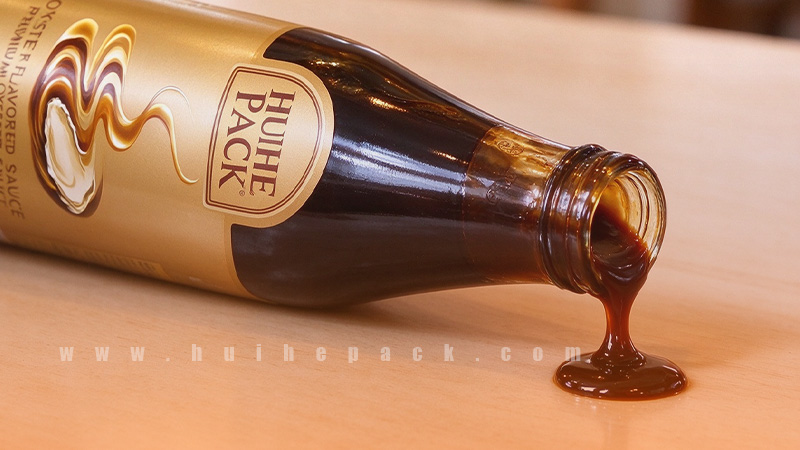
Choosing the right glass bottle for thick sauces takes more than finding a shape you like. If your sauce is too thick to pour easily, the bottle opening may be too small. If the dispensing hole is too narrow, the sauce may clog the cap. And if the bottle is difficult to fill or clean, it can create problems for your production line and your customers.
So, how do you choose the right glass sauce bottle for your product?
The key is to consider three things together: sauce viscosity, bottle opening size, and dispensing closure. You also need to think about your filling process, storage conditions, and how customers will use the sauce.
In this guide, we’ll walk you through the main factors to help you find the right glass bottles for thick sauces.
Start with Your Sauce Viscosity
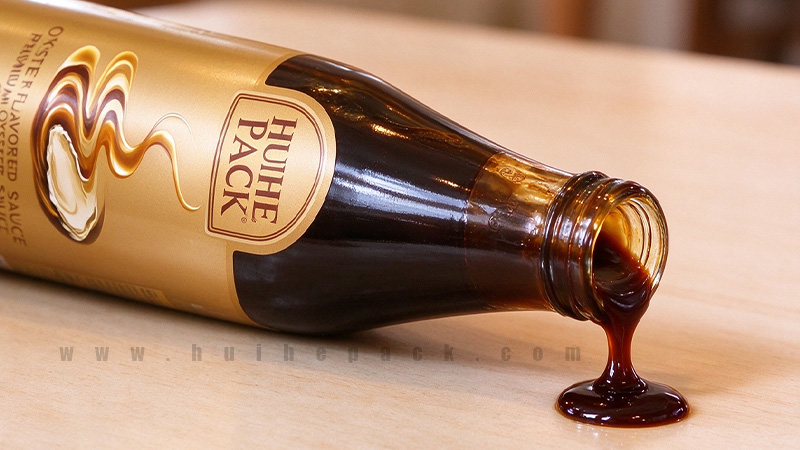
Viscosity describes how easily a liquid flows. Thin sauces move quickly, while thick sauces flow more slowly and may need a wider opening or a larger dispensing hole.
Before choosing a glass sauce bottle, look at your sauce’s texture and how it behaves when poured.
- Thin sauces: Hot sauces, vinegar-based sauces, and liquid seasonings usually flow easily through narrow openings.
- Medium-thickness sauces: Many chili sauces, ketchup-style sauces, and barbecue sauces need a suitable balance between flow control and easy dispensing.
- Thick or chunky sauces: Thick barbecue sauces, chunky salsa, and sauces containing herbs, seeds, or small food pieces may need a wider opening to reduce clogging and make filling easier.
Keep in mind that viscosity is not the only factor. Two sauces with similar thickness can behave differently because of their ingredients, particle size, and temperature.
For example, a smooth barbecue sauce may flow through a small dispensing hole, while a sauce containing pepper seeds or minced garlic may clog it.
Tip: Test your actual sauce before selecting a bottle. Its behavior during filling and dispensing is more useful than relying on its name alone.
Choose the Right Glass Bottle Opening Size
The bottle opening plays a major role in how easily you can fill, pour, and clean your packaging. When choosing glass bottles for thick sauces, pay attention to the opening’s internal diameter, not just the overall bottle size.
A wider opening generally allows thick sauces to pass through more easily. It can also make filling and cleaning more convenient. However, a wider opening does not automatically mean better performance. You still need to match it with the sauce texture, filling equipment, and dispensing closure.
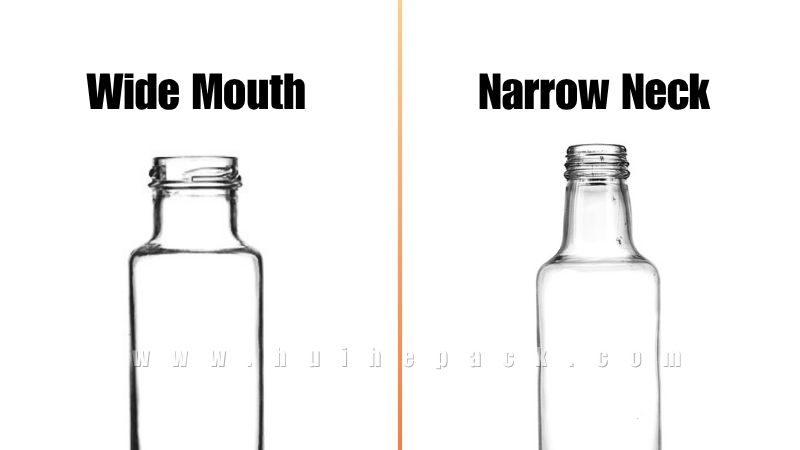
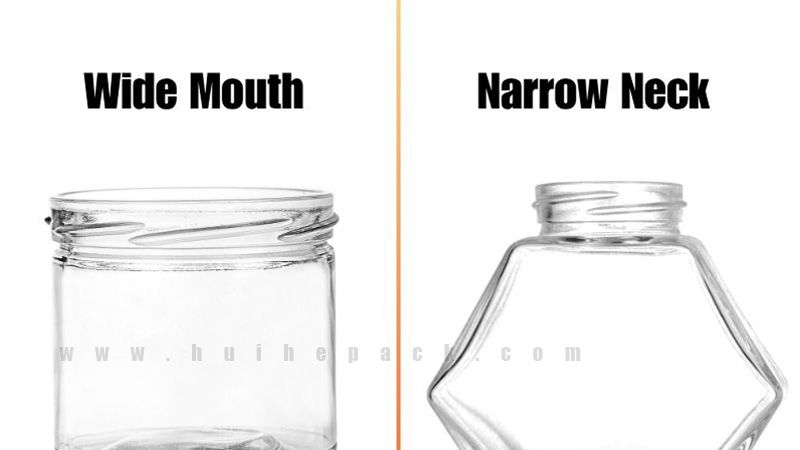
Narrow-Neck Glass Bottles
Narrow-neck glass bottles work well for relatively fluid sauces that need controlled pouring. They are common choices for hot sauce, liquid seasonings, and some smooth condiments.
Their smaller openings can help control the flow, but they may not work well for thick sauces or products containing solid particles.
Wider-Opening Glass Bottles
Glass bottles with wider openings can make it easier to fill and dispense thicker sauces. They may also reduce the risk of clogging when the sauce contains small particles.
For products that are extremely thick or difficult to pour, a wide-mouth glass jar may be a better option than a traditional narrow-neck bottle.
Check the Neck Finish, Too
The opening diameter and neck finish are not the same thing. The opening diameter affects how easily the sauce passes through, while the neck finish determines how the closure fits and seals.
When sourcing wholesale glass sauce bottles, confirm both specifications. A bottle with a suitable opening is not useful if the cap does not fit properly.
Match the Bottle with the Right Dispensing Closure
Your bottle and cap should work as one packaging system. Even if you choose the right glass bottle, an unsuitable dispensing closure can still make your sauce difficult to use.
Here are some common options to consider.
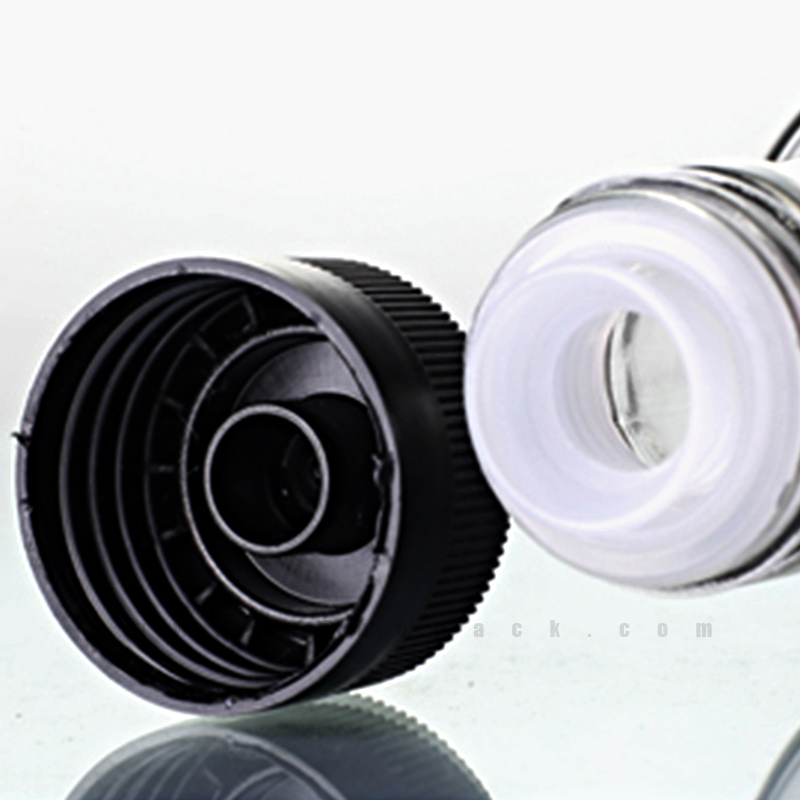
Screw Caps
Screw caps are a practical choice for many glass sauce bottles. They help protect the product during storage and transport when correctly matched with the bottle finish and sealing components.
They work well for sauces that are poured directly from the bottle or used with a separate dispensing accessory.
Reducer Inserts and Pouring Inserts
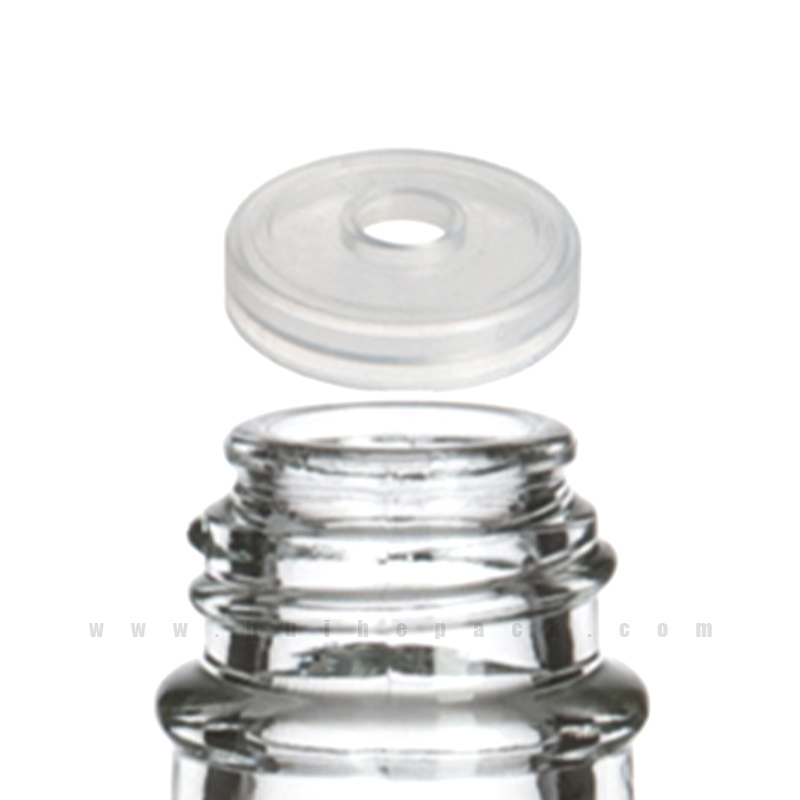
Reducer inserts help control the amount of sauce released from the bottle. They can be useful for thinner sauces that need a steady, controlled pour.
However, a small dispensing hole may restrict thicker sauces or become blocked by food particles. Always test the opening with your actual formula before choosing this option.
Wide-Opening Closures
For thicker sauces, a larger dispensing opening may allow smoother flow and reduce clogging. The best design depends on whether customers pour, spoon, or dispense the sauce directly onto food.
When comparing dispensing closures for thick sauces, consider these questions:
- Can the sauce pass through without excessive force?
- Does the opening become blocked after repeated use?
- Can customers control the amount they dispense?
- Does the closure prevent leakage during storage and transport?
- Is the closure suitable for your filling and sealing equipment?
The right combination should provide reliable sealing, convenient dispensing, and a good user experience.
Glass Sauce Bottle or Wide-Mouth Jar?
Not every thick sauce belongs in a traditional bottle. In some cases, a wide-mouth glass jar offers a more practical packaging solution.
A glass sauce bottle is often a good choice when customers need to pour the product. It can also provide a familiar format for retail shelves and food service applications.
A wide-mouth glass jar may work better when the sauce is very thick, contains larger pieces, or is easier to remove with a spoon.
Consider the following examples:
| Sauce type | Packaging to consider | Main reason |
| Thin hot sauce | Narrow-neck glass bottle | Controlled pouring |
| Smooth barbecue sauce | Sauce bottle with a suitable opening | Convenient dispensing |
| Thick, sticky sauce | Bottle with a wider opening or a suitable larger-orifice closure | Easier flow |
| Chunky salsa | Wide-mouth glass jar | Easier filling and removal |
| Thick cooking paste | Wide-mouth glass jar | Convenient spoon access |
These are starting points, not fixed rules. Your filling process, serving method, and product consistency may change the best choice.
If your sauce is difficult to pour from a bottle, consider whether a wider opening or a different container shape would solve the problem more effectively.
5. Consider Filling, Sealing, and Temperature Requirements
For food manufacturers and packaging buyers, choosing a glass sauce bottle is not just about consumer convenience. The bottle must also work with your production process.
If you use an automatic filling line, check whether the bottle opening allows the sauce to be filled at your target production speed. Thick sauces may require different filling settings from thinner liquids. Products containing particles may need additional attention to filling accuracy and nozzle compatibility.
Sealing is equally important. The bottle neck, cap, and sealing components must be compatible with one another to help prevent leakage and protect the product.
You should also consider temperature requirements. If your sauce is hot-filled or undergoes pasteurization, confirm that the glass bottle is suitable for the actual process conditions. Thermal shock resistance, cooling conditions, and closure compatibility all matter.
Do not assume that every glass bottle is suitable for hot filling simply because it is made of glass. Confirm the specifications with your packaging supplier and validate the complete packaging system.
For bulk orders, checking these details early can help you avoid production delays and unnecessary packaging costs.
6. Test Your Glass Sauce Bottles Before Ordering in Bulk
Product samples can help you determine whether a glass bottle works with your sauce before you commit to a large order.
Instead of testing the bottle with water alone, use your actual sauce under realistic conditions. Thick sauces can behave very differently from low-viscosity liquids.
Here is a practical checklist:
- Filling test: Check whether the sauce enters the bottle smoothly and whether the opening works with your filling equipment.
- Dispensing test: Pour the sauce at the intended serving temperature. Check the flow rate, dispensing effort, and risk of clogging.
- Residue test: See how much sauce remains inside the bottle after normal use. The bottle shape and neck design can affect how easily customers empty the package.
- Closure test: Confirm that the cap fits correctly and that the filled package does not leak under the intended storage and transport conditions.
- Production test: If you use automated equipment, verify bottle handling, filling accuracy, capping performance, and line speed.
- Storage test: Evaluate the complete packaging system under the intended storage conditions. If the product requires hot filling, pasteurization, or other special processing, validate the relevant requirements separately.
For B2B buyers, these tests are especially useful when comparing several glass sauce bottle designs. They help you make a decision based on real performance rather than appearance alone.
7. Find the Right Glass Sauce Bottles for Your Business
The best glass bottle for thick sauces is the one that matches your product, filling process, and customers’ needs.
Before making your choice, consider three essential questions:
- Is the bottle opening large enough for your sauce to flow and dispense properly?
- Does the closure provide the right balance between flow control and ease of use?
- Can the complete package meet your filling, sealing, storage, and transport requirements?
At HUIHE PACK, we help businesses explore glass packaging options for different food and condiment applications. Whether you need glass sauce bottles for barbecue sauce, hot sauce, chili sauce, or other products, choosing the right bottle starts with understanding your specific requirements.
When comparing packaging options, consider bottle capacity, neck finish, closure compatibility, and the practical needs of your production line.
Looking for wholesale glass sauce bottles for your next project? Contact HUIHE PACK to discuss your product requirements and explore suitable packaging options for your business.