When choosing glass packaging for your products, color is more than a design choice. It can affect product visibility, light protection, brand image, and even your packaging costs.
Colored glass and clear glass each have their own advantages. Clear glass lets customers see what’s inside, while colored glass offers more design options and may provide better protection against certain types of light.
So, which one should you choose for your brand? The answer depends on your product, packaging goals, and budget. Let’s compare their key differences to help you make the right decision.
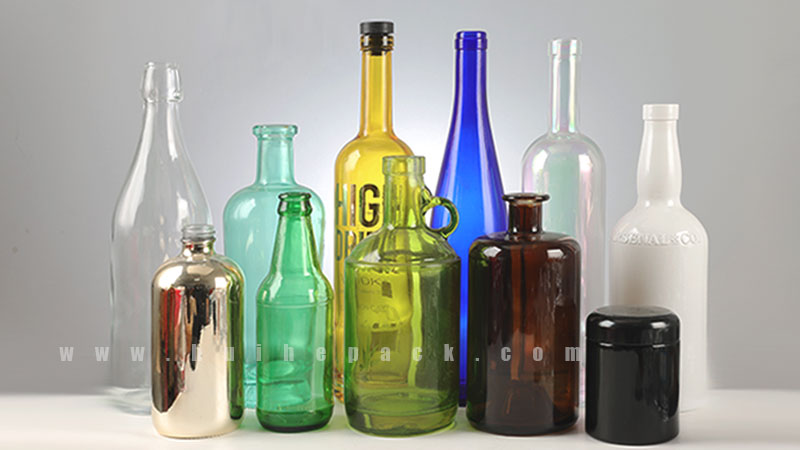
Colored Glass vs. Clear Glass: What’s the Difference?
The main difference between colored glass and clear glass is how they look and how much light they let through. These differences can affect both product presentation and protection.
| Comparison | Colored Glass | Clear Glass |
| Appearance | Available in different colors | Transparent and colorless appearance |
| Product Visibility | Limited visibility | Full product visibility |
| Light Protection | May filter certain wavelengths | Generally allows more light through |
| Branding | Creates a distinctive visual identity | Offers a clean, classic look |
| Applications | Cosmetics, beverages, essential oils, and specialty products | Food, beverages, cosmetics, and more |
Appearance and Product Visibility
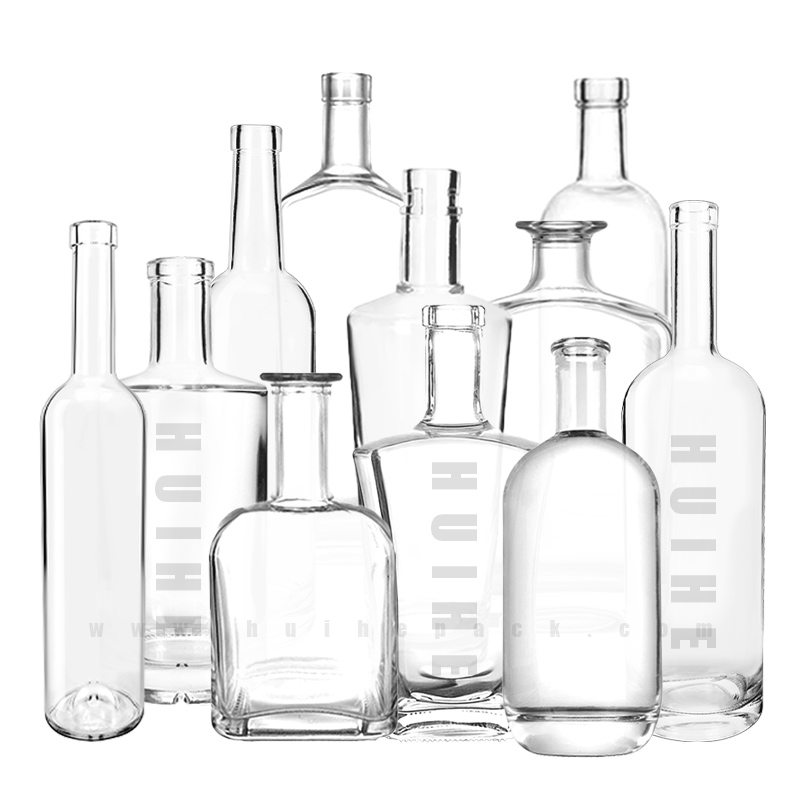
Clear glass packaging gives customers a direct view of your product. This works especially well when the product itself is part of the selling point. Think of honey, jams, sauces, and colorful skincare products.
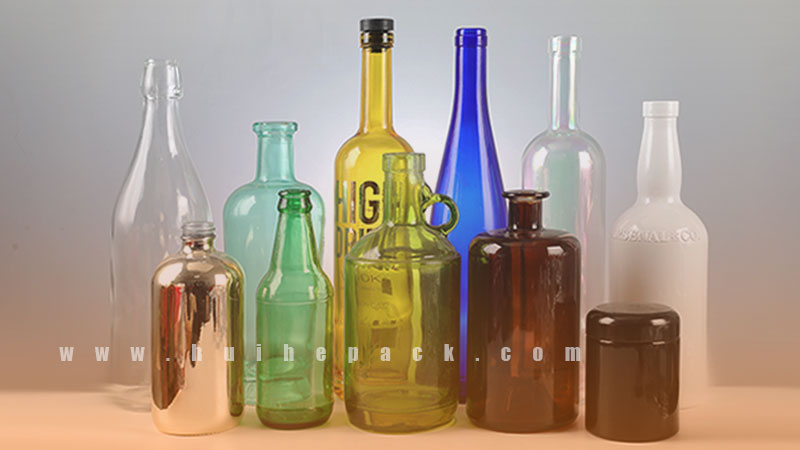
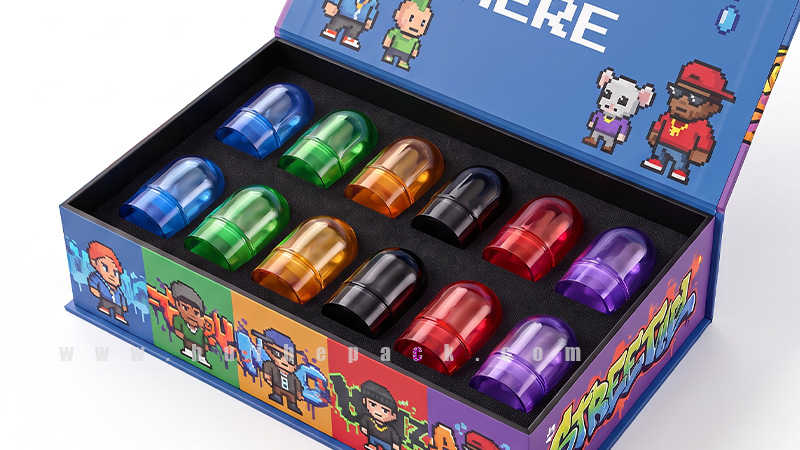
Colored glass creates a different impression. Amber, blue, green, and other shades can help your packaging stand out on the shelf. They also give you more ways to match your bottle or jar with your brand identity.
If you want to highlight what’s inside, clear glass is often a good choice. If you want a more distinctive look, colored glass may be worth considering.
Light Transmission and Product Protection
Light exposure can affect the quality of some products over time. Certain ingredients, oils, and beverages are sensitive to UV light or visible light.
Colored glass can reduce the transmission of certain wavelengths, depending on its color, formulation, and thickness. Clear glass generally allows more light to pass through, so it may not be the best option for products that need additional light protection.
Keep in mind that not all colored glass offers the same level of protection. If light sensitivity is a concern, check the actual light transmission data rather than choosing based on color alone.
Branding and Shelf Appeal
Your packaging is often the first thing customers notice. Clear glass gives your product a simple, natural, and premium appearance. It works well for brands that want to highlight product color, texture, or quality.
Colored glass can help create a stronger visual identity. You can choose a shade that matches your logo, product line, or overall brand style.
Both options can look premium. The right choice depends on the image you want your packaging to communicate.
How Does Glass Color Affect Product Protection?
Glass color is not just about appearance. It can also influence how much light reaches the product inside.
How Colored Glass Filters Light
Different glass colors interact with light in different ways.
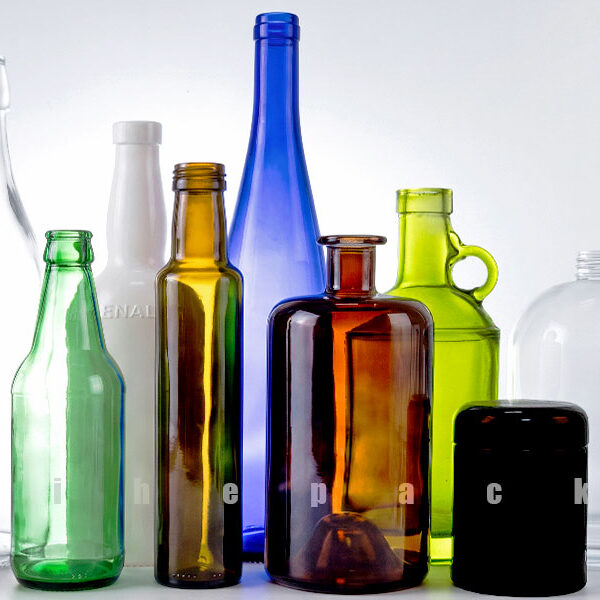
- Amber glass: Often used for products that need better UV protection, such as essential oils, certain pharmaceuticals, and some beverages.
- Blue glass: Offers a distinctive appearance and can filter some wavelengths, but its protection level depends on the specific glass formulation.
- Green glass: Common in beverage packaging and can provide some light filtering, depending on its shade and composition.
- Clear glass: Allows customers to see the product clearly but generally provides less protection from light than suitable colored glass.
If you want to explore a specific color in more detail, see our guide to cobalt blue glass packaging.
When Is Clear Glass a Suitable Choice?
Clear glass is a practical option when product visibility matters more than additional light protection.
For example, food brands often use clear glass jars to display honey, sauces, jams, and other products. Customers can easily check the color, texture, and appearance before buying.
Clear glass is also a popular choice for cosmetic and skincare packaging when the product’s appearance supports the brand’s image.
However, if your formula is light-sensitive, you may need additional protection through suitable packaging, secondary cartons, or other storage measures.
Why Glass Color Alone Doesn’t Guarantee Product Protection
One common mistake is assuming that darker glass always provides better protection.
In reality, light transmission depends on several factors:
- Glass color and chemical composition
- Glass thickness
- Manufacturing process
- Wavelength of the light
- Product sensitivity to light
For products with strict protection requirements, ask your glass packaging supplier for relevant light transmission or UV testing data. This gives you a more reliable basis for choosing the right bottle or jar.
Colored Glass vs. Clear Glass for Different Products
Different products have different packaging needs. Here are some common applications to help you decide.
Food and Beverage Packaging
Clear glass is a popular choice for honey, jam, sauces, and other food products. It allows customers to see the contents and makes the product look fresh and appealing.
Colored glass is also widely used in beverage packaging. Amber and green glass bottles, for example, are common choices for beer and other drinks where light exposure and brand presentation matter.
Milk brands may also choose clear or colored glass depending on their packaging style and product requirements.
For more ideas, explore our guides to beer bottle colors and glass milk bottle options.
Cosmetic and Personal Care Packaging
In cosmetics, packaging design plays a major role in brand positioning.
Clear glass bottles work well for serums, lotions, and skincare products when you want customers to see the formula. Colored glass, on the other hand, can create a more distinctive look and may offer additional light protection.
The best choice depends on your formula, target customers, and brand identity.
If you’re choosing glass colors specifically for beauty products, read our guide to the best glass colors for cosmetic bottles.
Essential Oil and Specialty Product Packaging
Essential oils and some specialty products contain ingredients that can be sensitive to light.
Amber glass is often chosen for these applications because it can provide better UV protection than standard clear glass. Other colored glass options may also be suitable, but you should check their actual light-filtering performance.
When product quality is your priority, make sure the packaging matches the storage and protection needs of your formula.
Is Colored Glass More Expensive Than Clear Glass?
The cost of glass packaging depends on more than its color. Bottle shape, size, order quantity, manufacturing requirements, and decoration can all affect the final price.
Manufacturing and Material Considerations
Clear glass is widely used in the packaging industry and is available in many standard bottle and jar designs.
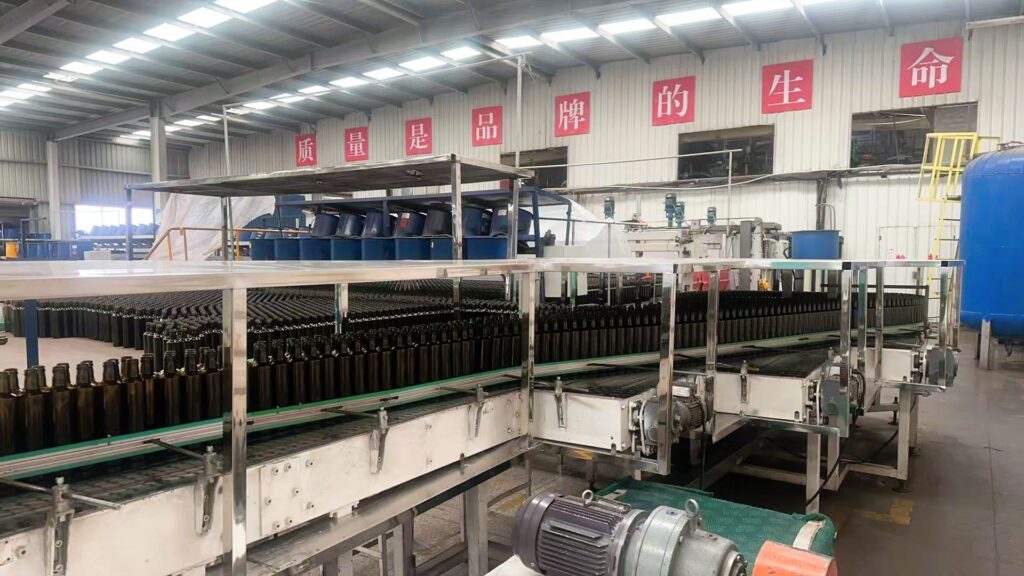
Colored glass may require different raw material formulations and additional production controls to achieve the desired shade. For custom colors, manufacturers also need to consider color consistency across production batches.
However, this doesn’t mean colored glass is always more expensive. The actual cost depends on the product design and manufacturing setup.
Order Quantity and Customization Costs
Your order quantity can also influence the unit price.
For wholesale buyers, larger orders may offer better production efficiency. Special colors, custom molds, printing, frosting, and other surface treatments may add to the total cost.
When comparing suppliers, look beyond the price per bottle. Consider the full packaging cost, including customization, quality control, transportation, and supply consistency.
How to Choose the Right Glass Packaging for Your Brand
Still not sure which option is right for you? Start with these five questions.
1. Is your product sensitive to light?
If your formula is sensitive to UV or visible light, consider suitable colored glass such as amber or UV-violet glass, and verify its light transmission performance.
2. Do customers need to see the product?
If product appearance is part of your selling point, clear glass may be the better choice.
3. What image do you want your brand to create?
Choose a glass color that matches your brand identity and target market. Clear glass offers a simple look, while colored glass gives you more visual options.
4. What is your packaging budget?
Compare the cost of standard and custom glass options. Remember to include decoration, molds, order quantities, and shipping in your budget.
5. Do you need custom packaging?
If you need a specific color, bottle shape, or logo design, check whether your supplier can support your requirements and maintain consistency across bulk orders.
In the end, the best glass packaging is the one that protects your product, supports your brand, and fits your budget.
Custom Glass Packaging Solutions for Wholesale Buyers
Whether you prefer colored glass or clear glass, choosing the right supplier is just as important as choosing the bottle itself.
At HUIHE PACK, we provide glass packaging solutions for brands, wholesalers, and businesses across different industries. From glass bottles to glass jars, you can explore different sizes, shapes, and packaging styles to find the right fit for your products.
Depending on the product and project requirements, customization options may include:
- Glass Colors: Choose suitable colors for your product and brand identity.
- Bottle and Jar Designs: Explore different shapes, capacities, and styles.
- Surface Decoration: Consider printing, frosting, and other finishing options.
- Logo Customization: Add your brand logo to create a more recognizable package.
- Wholesale Supply: Discuss bulk orders and packaging requirements with our team.
Not sure whether colored glass or clear glass is right for your product? Contact HUIHE PACK to discuss your packaging needs and find a suitable solution for your next order.
Conclusion
Choosing between colored glass and clear glass comes down to what your product needs.
If product visibility is important, clear glass is a versatile choice. If you want a distinctive brand appearance or additional light protection, colored glass may be more suitable.
Before making your decision, consider your product’s sensitivity, target market, packaging budget, and customization needs.
With the right glass packaging, you can protect your product while creating a look that customers recognize and trust. HUIHE PACK is ready to help you explore the options for your next packaging project.
Frequently Asked Questions
Is colored glass better than clear glass?
Neither is always better. Colored glass may offer additional light protection and more branding options, while clear glass provides better product visibility. Your choice should depend on your product and packaging goals.
Does colored glass protect products from UV light?
Some colored glass, especially suitable amber glass, can block more UV light than standard clear glass. However, protection varies by glass formulation, thickness, and color. Always check product-specific testing data when UV protection is important.
Which is more affordable, colored or clear glass?
Standard clear glass is often widely available and cost-effective. However, the final price of either option depends on bottle design, order quantity, color requirements, and customization.
Can clear glass bottles be customized?
Yes. Clear glass bottles can often be customized with printing, frosting, coating, labels, and other decorative finishes. These options help you create a distinctive package without changing the natural appearance of clear glass.
Does glass color affect product shelf life?
It can. If a product is sensitive to UV or visible light, suitable colored glass may help reduce light exposure and slow light-related quality changes. However, shelf life also depends on the formula, processing, storage conditions, and other packaging factors.