
Introduction: Why 330ml Became the Most Popular Beer Bottle Size
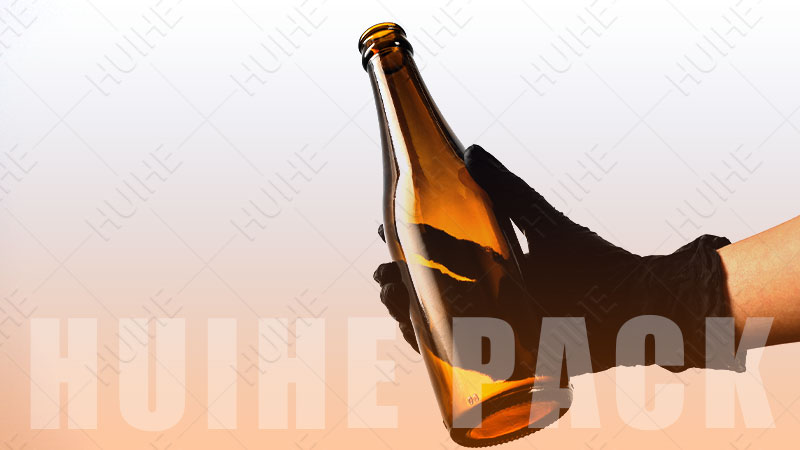
Ever wondered why 330ml beer bottles appear almost everywhere—from supermarket shelves to craft breweries and export markets? This size didn’t become the global standard by chance. It’s the result of decades of brewing traditions, smart packaging choices, and the practical needs of modern production lines.
For breweries and beverage brands like yours, 330ml offers the perfect balance: easy to drink, easy to transport, and easy to standardize across different markets. Whether you’re launching a new lager, scaling up your craft beer line, or looking for a reliable glass bottle supplier, understanding why 330ml works helps you make better packaging decisions.
In this guide, we’ll walk you through the key reasons behind the 330ml trend—covering consumer preference, regulations, logistics, packaging science, and cost advantages.
Why Breweries Prefer 330ml (Business & Production Reasons)
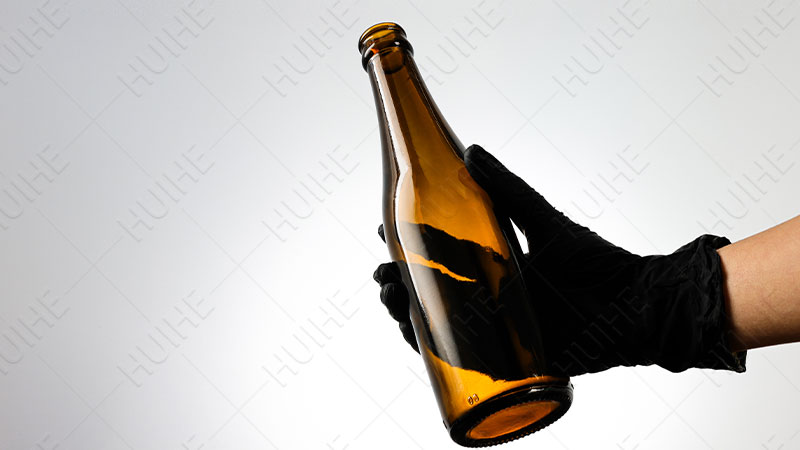
For many breweries, the 330ml beer bottle isn’t just a traditional choice—it’s a smart business decision. This size fits perfectly into the realities of modern brewing, from production efficiency to total packaging cost. Here’s why the 330ml format continues to dominate for brands big and small:
1. 330ml Saves Breweries Money
Choosing 330ml bottles helps you reduce overall production costs without compromising product quality.
- Lower glass usage per bottle → less raw material cost
- Reduced shipping weight → cheaper transportation
- Higher pallet density → more bottles per shipment
- More efficient storage → fewer warehousing expenses
When you multiply these savings across tens of thousands of cases, the impact becomes significant—especially for breweries scaling up.
2. Highly Mature & Widely Available Moulds
Because 330ml is the global standard, glass factories have perfected the moulds, weight profiles, and structural design over decades.
- Stable, proven designs reduce breakage during production and transport
- Faster mould lead time compared with non-standard sizes
- Lower mould investment if you decide to customize your bottle shape
For breweries working with tight timelines or planning new product launches, this level of mould maturity is a major advantage.
3. Excellent Compatibility With High-Speed Filling Lines
Modern breweries rely on high-speed lines that run 20,000–40,000 bottles per hour. The 330ml bottle is designed to perform flawlessly on these systems.
- Consistent neck finish ensures smooth capping
- Balanced weight and structure minimize risk of tipping or jamming
- Standardized dimensions mean fewer adjustments across different machines
If you want productivity, stability, and fewer interruptions, the 330ml bottle is one of the most reliable options you can choose.
A Quick History of the 330ml Beer Bottle
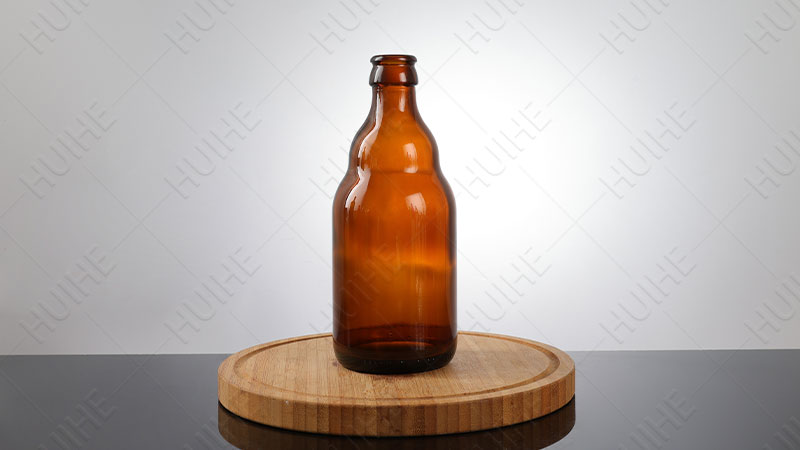
The 330ml beer bottle didn’t become a global favorite overnight. Its rise is tied to how Europe shaped early packaging standards, how industrial beer production spread worldwide, and how exporters needed a size that worked across different markets.
1. How European Volume Standards Set the Foundation
In the early days of European brewing, bottle sizes were far from unified. Breweries used anything from 250ml to 350ml depending on region and glass availability. As trade between European countries increased, producers looked for a size that was easy to standardize and suitable for single-serve drinking. Over time, 330ml emerged as the practical middle ground—large enough to feel satisfying, but small enough to stay affordable and easy to consume in one go.
2. Industrial Brewing and Globalization Made 330ml Even More Popular
When the industrial beer era arrived, bottling lines became faster and production volumes grew dramatically. Breweries needed a bottle size that worked seamlessly on automated lines, reduced breakage, and optimized material usage. The 330ml bottle, with its compact shape and stable structure, fit perfectly into those requirements. As European brewing multinational companies expanded into new regions, they brought this size with them, turning it into a familiar global format.
3. 330ml Became the Standard for Export Markets
By the time European beer brands began exporting heavily to Asia, Africa, the Middle East, and the Americas, 330ml had already been widely accepted at home. Importers and distributors preferred it because it stacked efficiently, displayed well on shelves, and met consumer expectations for a “single portion” beer. As more brands adopted the same size for international shipments, 330ml naturally became the export benchmark.
Today, whether you’re entering domestic retail or shipping beer overseas, 330ml remains one of the most recognized and trusted sizes—making it a safe, scalable choice for breweries of all sizes.
Consumer Preference: 330ml Is the Perfect Serving Size
While production efficiency matters, one of the biggest reasons 330ml beer bottles dominate the market is simple—you. Most drinkers feel that 330ml is the ideal amount for a single sitting: enough to enjoy, but not so much that the beer gets warm or loses its carbonation.
1. A Better Drinking Experience
Consumer research shows that 72% of single-serve beer buyers prefer 330ml (source: craft beer industry reports). The main reason? It feels “satisfying without waste.” You can finish it before it warms up, and it’s perfect for solo drinking, casual meals, or sharing a few bottles at small gatherings.
For brands, this preference matters. When you offer a size people naturally reach for, you increase repeat purchases and improve overall satisfaction.
2. Strong Retail Appeal
The 330ml bottle also fits beautifully into retail environments.
- It matches standard shelf heights in supermarkets and convenience stores.
- It works with 6-pack carriers, which remain one of the most popular beer packaging formats.
- Retailers can stack more units on shelves, making your beer more visible and easier to stock.
This practicality is one reason why many new beer brands choose 330ml when entering crowded markets.
3. Faster Cooling for a Better Taste
A smaller bottle cools faster, helping you get your beer to the perfect temperature in minutes rather than hours. That makes 330ml especially appealing in warmer climates or for drinkers who prefer chilled lager and IPA styles.
4. Better Carbonation Retention
Because 330ml is designed for single-serve consumption, the beer stays fresh from the first sip to the last. You’re not dealing with excess volume that might turn flat or lose aroma once opened. It’s simply the right amount of beer for maintaining flavor, carbonation, and quality.
For both consumers and retailers, the 330ml format strikes a perfect balance—practical, enjoyable, and consistent. That’s why it remains one of the most trusted and widely adopted serving sizes across global beer markets.
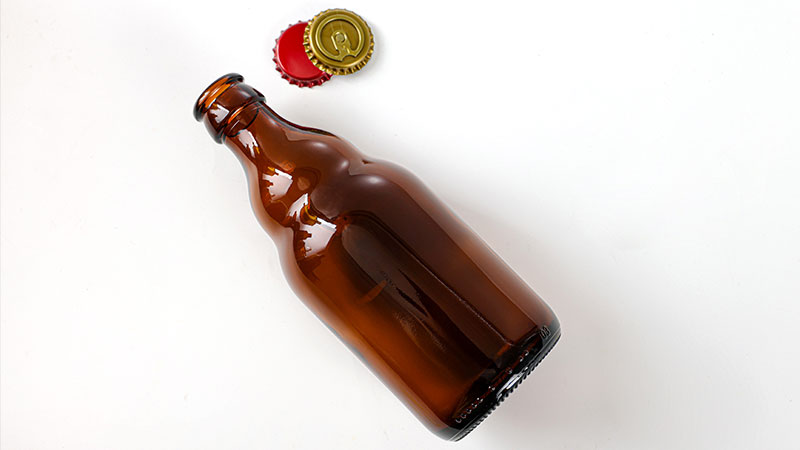
Regulations and Global Market Practices
Beyond consumer habits and production efficiency, regulations play a huge role in why the 330ml beer bottle became a global standard. While each region has its own rules, most markets either accept 330ml widely or use it alongside a local equivalent—making it one of the easiest sizes for breweries to scale internationally.
1. Europe: The Origin of the 330ml Standard
Europe was the first region to formalize volume standards for beer, and 330ml naturally became the default single-serve size across the EU.
- It aligns with EU packaging directives, which favor metric-based, standardized volumes.
- Many countries—Germany, Belgium, the Netherlands, the UK—use 330ml as the main format for mainstream beers, craft beers, and export products.
- The size is accepted for both domestic retail and cross-border trade within the EU.
For breweries exporting into Europe, offering a 330ml option is almost mandatory if you want to match local shelf expectations.
2. Asia: 330ml Dominates Imported and Craft Beer Segments
Across Asia, especially in China, Japan, Korea, and Southeast Asia, 330ml is the most common size for international beer brands.
- It matches import regulations and is widely used by European and Australian breweries entering Asian markets.
- Retailers prefer 330ml because it fits existing shelving and carton sizes.
- In the fast-growing craft beer scene, 330ml helps new brands standardize packaging and reduce production complexity.
For breweries targeting Asia, choosing 330ml makes distribution easier and increases acceptance among local distributors.
3. United States: 330ml Sits Beside the 355ml Tradition
The U.S. has its own well-known standard: 355ml (12 oz). This size became popular due to early glass production norms and later aluminum can standardization.
However, 330ml is still widely used in three key areas:
- Imported beers from Europe, Australia, Mexico, and Asia
- Premium and craft brands that want a globalized, modern look
- Limited editions and small-batch beers that use European-style bottles
While 355ml remains the dominant domestic format, 330ml is fully accepted in retail and distribution, making it easy for international breweries to enter the U.S. market without changing their bottling line.
Glass Packaging Science: Why 330ml Has the Best Balance
Beyond market habits and regulations, the 330ml beer bottle is also a smart choice from a packaging science perspective. Its structure offers the ideal balance between strength, weight, sustainability, and sealing performance—helping breweries protect product quality while keeping production efficient.
1. Optimized Wall Thickness for Strength & Efficiency
330ml bottles are engineered with a wall thickness that delivers strong impact resistance without unnecessary weight.
- Thick enough to prevent breakage during filling, pasteurization, and transport
- Thin enough to reduce material cost and improve sustainability
This careful balance is the result of decades of refinement in global glass manufacturing.
2. Excellent Pressure Resistance with Reliable Sealing
Carbonated beer needs a bottle that can handle internal pressure. The 330ml format is designed with an ideal height-to-diameter ratio that improves structural stability.
When paired with:
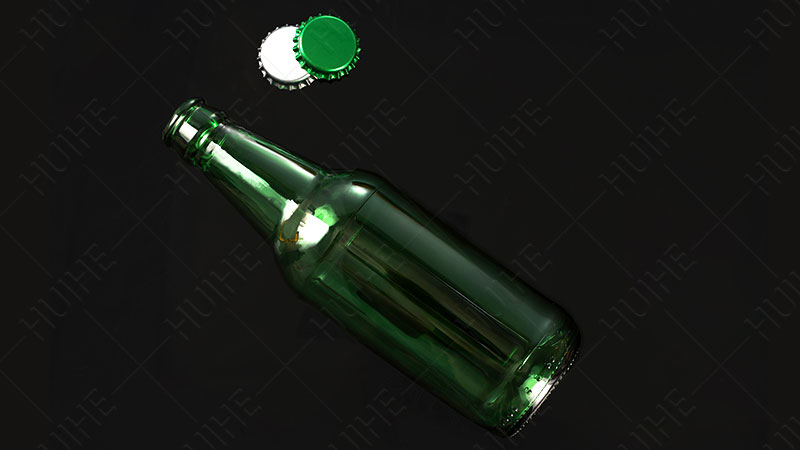
- High-quality crown caps, or
- Premium twist-off caps,
you get a tight, secure seal that protects carbonation, flavor, and freshness throughout the product’s shelf life. For breweries, this means fewer leaks, fewer returns, and more consistent quality.
3. Weight Design That Reduces Cost & Carbon Footprint
Most 330ml beer bottles fall in the 180g–250g range depending on shape. This optimized weight helps you:
- Lower shipping and logistics costs
- Improve line efficiency
- Reduce energy consumption during production
The result is a bottle that’s light enough for cost control but strong enough for high-speed bottling lines.
4. High Sustainability Through Easy Recycling
330ml glass bottles fit perfectly into global recycling systems. Their standardized shape and clear or amber color make them simple to sort and repurpose.
- 100% recyclable
- No performance loss after recycling
- Helps breweries meet sustainability goals and consumer expectations
For eco-conscious beer brands, sticking with 330ml lets you reduce waste while maintaining premium packaging quality.
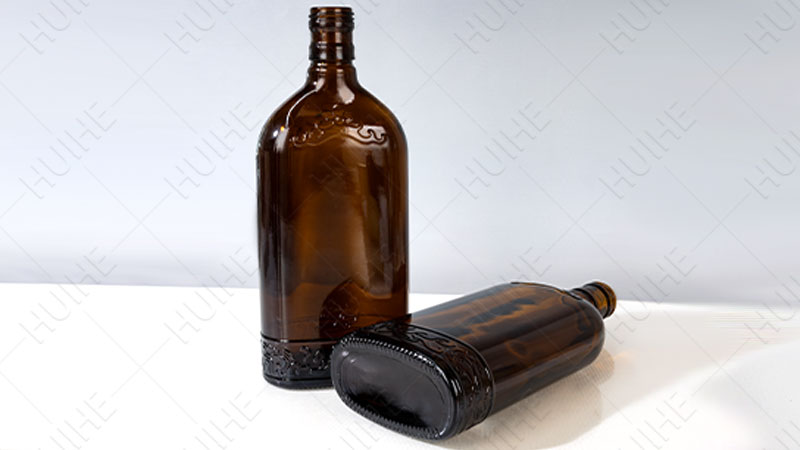
How Breweries Choose the Right Beer Bottle Size
While 330ml is the most universal option, not every beer or brand necessarily uses the same format. Most breweries choose bottle size based on their product strategy, target audience, and sales channels.
1. Match the Size to Your Beer Style
Different beer styles call for different experiences:
- High-ABV beers (IPAs, Belgian ales): 330ml works well because it feels premium and encourages responsible consumption.
- Light lagers & session beers: 330ml offers convenience and easy drinking.
- Specialty or limited editions: some breweries choose 500ml or 750ml for a richer, more ceremonial feel.
Choosing the right size helps shape how customers perceive your beer.
2. Consider Your Sales Channels
Your bottle size should match the needs of your distribution partners.
- Retail shelves prefer 330ml because it fits standard facings and 6-pack carriers.
- Bars and restaurants like it because it reduces waste and keeps beer cold from first sip to last.
- Export channels often require 330ml due to international standards.
Selecting a size that aligns with your channels makes scaling much easier.
3. Align Packaging With Your Brand Strategy
Bottle size influences brand perception:
- 330ml is seen as modern, practical, and easy to drink
- Larger bottles feel premium or traditional
- Slim or long-neck bottles feel premium and craft-focused
If you want to position your beer for global markets, 330ml remains the safest and most recognized choice.
Conclusion
Across history, consumer habits, and production science, the 330ml beer bottle has proven itself to be the sweet spot for breweries worldwide. It balances drinkability, cost-efficiency, logistics, and global market compatibility—making it a natural choice for both mass-market lagers and premium craft beers.
If you’re a brewery planning your next packaging upgrade, choosing the right 330ml bottle is not just about capacity. It’s about aligning with your brand identity, protecting product quality, optimizing shelf presence, and ensuring compatibility with your filling line.
At HUIHE PACK, we help breweries achieve all of this with stable mold availability, food-grade glass quality, strict 100% inspection, and leak-proof closures that match high-speed bottling requirements.
We also support full customization—including glass color, surface finishing, and closures/accessories—so your beer looks as good as it tastes.
Whether you need classic long-neck bottles or a signature custom design, we’re here to make your next beer launch stand out.
FAQ: Why Are Beer Bottles Often 330ml?
Q1. Why is 330ml the most common beer bottle size worldwide?
Because it balances drinking convenience, production efficiency, and global regulations. Many consumers prefer 330ml because it feels “just right” for single servings, and breweries choose it for cost savings and export compatibility.
Q2. Is 330ml better for beer freshness?
Yes. 330ml keeps the beer colder and maintains carbonation from the first sip to the last. The smaller volume also reduces oxygen exposure once opened.
Q3. Why do European breweries use 330ml instead of 355ml?
Europe follows metric-based packaging standards, and 330ml became the unified single-serve size through decades of trade and industrial bottling practices. It remains the EU’s most recognized format.
Q4. Why do U.S. beers use 355ml?
355ml (12 oz) is a legacy standard from early American glass production. However, many imported beers and premium craft brands still use 330ml in the U.S. market.
Q5. Is 330ml more cost-effective for breweries?
Yes. It uses less glass, reduces shipping weight, improves pallet efficiency, and works perfectly on high-speed filling lines—helping breweries lower total production cost.
Q6. Can 330ml beer bottles handle carbonation pressure?
Absolutely. With optimized wall thickness and strong crown caps or twist-off caps, 330ml bottles offer excellent pressure resistance and reliable sealing.
Q7. Are 330ml beer bottles environmentally friendly?
Yes. They’re 100% recyclable, lightweight, and easy to sort in global recycling systems. Many breweries choose 330ml as part of their sustainability goals.
Q8. Do you offer custom 330ml beer bottle designs?
Yes. HUIHE PACK provides custom mould service, logo embossing, unique shapes, lightweight designs, and matching caps—plus 100% quality inspection to support safe, stable mass production.