Homemade infused oils and vinegars are packed with fresh flavors, but they’re incredibly sensitive to light, oxygen, and acidic ingredients. Choose the wrong bottle, and you won’t just ruin their taste—you’ll shorten their shelf life, risk leakage, compromise safety, and even hurt brand perception if you sell these products commercially. In this guide, we’ll take a deep dive from a packaging and material perspective to help you find the best glass bottles for storing infused oils and vinegars, whether you’re a home cook crafting small batches or a business owner sourcing reliable packaging solutions.
Why Bottle Choice Matters for Infused Oils and Vinegars
When it comes to infused oil storage and choosing the right vinegar bottle for storage, the bottle itself plays a critical role in protecting quality. Oils and vinegars are not stable products—they react easily to their environment, and poor packaging can speed up deterioration.
- Light exposure is one of the biggest risks for infused oils. Direct light triggers oxidation, which breaks down flavors and aromas over time. Herbs and spices infused in oil are especially sensitive, making proper bottle selection essential for preserving taste and freshness.
- Oxygen permeability is another key factor. When air enters the bottle, oils can turn rancid much faster. Even small amounts of oxygen exchange can shorten shelf life, especially for olive oil–based infusions.
- For vinegars, acidity creates additional challenges. Vinegar’s acetic acid can react with unsuitable materials or low-quality coatings, leading to corrosion or unwanted flavor changes. This is why vinegar requires bottles that are chemically stable and non-reactive.
- Finally, improper closures often cause problems that are easy to overlook. Poor seals can lead to leakage, contamination, or moisture entering the bottle. Over time, this not only affects product safety but also how your infused oils and vinegars are perceived—especially if you plan to share or sell them.
Choosing the right bottle is not just about appearance. It is about protecting flavor, extending shelf life, and ensuring your infused oils and vinegars remain safe and reliable from the first use to the last.
Best Bottle Materials for Infused Oils and Vinegars
Choosing the right bottle material is one of the most important steps in storing infused oils and vinegars. The material affects flavor stability, safety, and how long your product can be stored with confidence.
Why Glass Is the Preferred Material
Glass is widely recognized as the best material for infused oil and vinegar storage, especially when quality and long-term use matter. It is non-reactive with both oils and acetic acid, meaning it will not break down, corrode, or alter the contents over time.
Another key advantage is zero flavor transfer. Glass does not absorb aromas from herbs, spices, or vinegar, and it does not release unwanted odors into the liquid. This helps preserve the original taste and character of your infused oils and vinegars from batch to batch.
Most importantly, glass meets long-term food safety compliance standards worldwide. It’s naturally food-grade, BPA-free, and easy to clean and sanitize—critical for both home use and commercial production. Whether you’re bottling small batches for personal use or bulk orders for retail, glass gives you and your customers peace of mind about safety.
Why Plastic and Metal Are Less Ideal
Plastic bottles can be useful for short-term or transport purposes, but they come with clear limitations. Over time, plastic may absorb odors and flavors, especially when used with strong herbs or acidic vinegar. Plastic is also more permeable to oxygen, which can accelerate oxidation and reduce shelf life.
Metal containers, while durable, depend heavily on their internal linings. Vinegar’s acidity can react with exposed metal surfaces if the lining is damaged or inconsistent, potentially affecting flavor and safety. For this reason, metal is less predictable for long-term vinegar storage.
In most cases, glass offers the best balance of stability, safety, and performance for infused oils and vinegars, making it the preferred choice for both home use and professional packaging.
Best Glass Bottle Types for Infused Oils
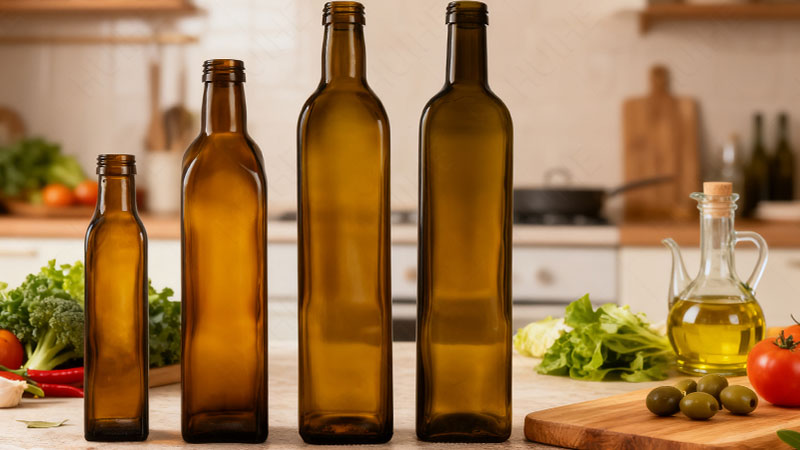
Not all glass bottles perform the same when it comes to storing infused oils. Glass color plays a major role in protecting oils from light damage and oxidation, which directly affects flavor and shelf life.
Dark Glass Bottles (Amber & Green)
When it comes to infused oil storage, dark glass bottles—especially amber and green variants—are the top pick for home cooks and commercial brands alike. Their biggest advantage is unbeatable UV protection. Sunlight and even bright kitchen lighting break down the natural compounds in infused oils, triggering oxidation that turns fresh flavors stale and reduces shelf life. Dark glass acts as a barrier, blocking harmful rays and keeping your herb, chili, or citrus-infused oils tasting vibrant for weeks longer.
Amber glass bottles deserve a special shoutout, especially for herb-infused oils. The warm, amber hue filters out more UV light than green glass, making it the most effective choice for preserving delicate herbal notes like rosemary, thyme, or basil. It’s no surprise that amber glass bottles are commonly used in professional oil packaging—food manufacturers rely on them to maintain product consistency and meet quality standards for retail shelves. For you, this means less waste, longer-lasting infusions, and a premium look that elevates both homemade batches and branded products.
Clear Glass Bottles – When Are They Acceptable?
Clear glass bottles are visually stunning—they let you show off the rich colors of infused oils, from deep red chili oil to golden garlic oil. But they’re not a one-size-fits-all solution for vinegar bottle for storage and oil storage. Their main limitation is zero UV protection, so they work best for infusions with a short shelf life. If you’re making a small batch to use within a week or two, clear glass is perfectly acceptable.
They also shine for decorative or gift use. A clear glass bottle filled with infused oil, tied with a ribbon and labeled with ingredients, makes a thoughtful, homemade present. For businesses, clear glass is great for limited-edition gift sets where presentation matters more than long-term storage. Just remember: if you use clear glass for any product that needs to last beyond a few weeks, you’ll need secondary packaging. A dark storage box, a fabric sleeve, or even a simple paper wrap will shield the bottle from light and extend the life of your infused oil.
Best Glass Bottles for Infused Vinegars
Infused vinegars have different storage needs than infused oils, mainly because of their high acidity. Vinegar contains acetic acid, which can interact with unsuitable materials and accelerate quality loss if the bottle is not designed for acidic liquids.
For this reason, glass bottles are strongly recommended for infused vinegar storage. Using thicker glass adds an extra level of durability and stability, helping the bottle withstand long-term contact with acidic contents without risk of reaction or structural weakening.
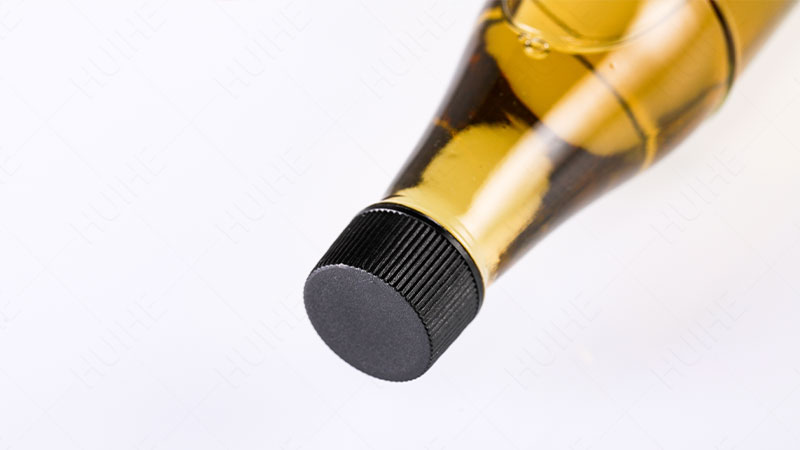
Bottle design also matters. A narrow neck helps reduce oxygen exchange, limiting unnecessary air contact each time the bottle is opened. This supports better flavor stability and helps preserve the balance of infused ingredients such as fruits, herbs, or spices.
When choosing a vinegar bottle for storage, focus on glass quality, wall thickness, and neck design. These features work together to protect acidity-sensitive products and keep infused vinegars safe, fresh, and consistent over time.
Bottle Shape & Design Considerations
When you’re picking glass bottles for infused oils and vinegars—whether for your own use or to stock your business shelves—shape and design matter as much as material. The right design boosts functionality, improves user experience, and even cuts costs for your business. Here’s what you need to know:
Narrow Neck vs Wide Mouth
Narrow-neck bottles are a game-changer for infused oil storage. They give you precise pouring control, so you won’t spill a drop when dressing salads or seasoning dishes. This is a huge selling point for home cooks and restaurants alike—no more messy countertops or wasted product. Wide-mouth bottles, on the other hand, are perfect for vinegar storage and batch preparation. You can easily add herbs, fruits, or spices to infuse your vinegar, and they’re simple to clean when you’re done. For your B2B customers, offering both options means catering to every use case.
Tall Bottles for Oil Pouring Control
Tall, slim glass bottles are ideal for oils, and here’s why: their height slows down the flow of liquid, making pouring even more controlled. They also take up less counter space, which is a big plus for home kitchens and commercial food prep areas. Plus, their sleek look adds a premium touch—perfect for brands that want to stand out on store shelves. If you’re sourcing bottles for a food business, tall designs are a smart choice for both functionality and aesthetics.
Square vs Round (Shipping Efficiency & Shelf Stability)
This is where B2B buyers really care—and for good reason. Round glass bottles are classic, easy to grip, and look great on display. But square bottles win when it comes to shipping and storage efficiency. They stack neatly, fill up more space in boxes without gaps, and reduce the risk of shifting during transit. That means lower shipping costs for you and your customers. Square bottles also sit flatter on shelves, so they’re less likely to tip over—a major bonus for retailers. For businesses, choosing between square and round often comes down to balancing brand style with logistical practicality.
Closures That Work Best for Oils and Vinegars
Choosing the right bottle is only part of the solution. The closure you use is just as important for protecting infused oils and vinegars during storage and daily use.
Screw Caps with Food-Grade Liners
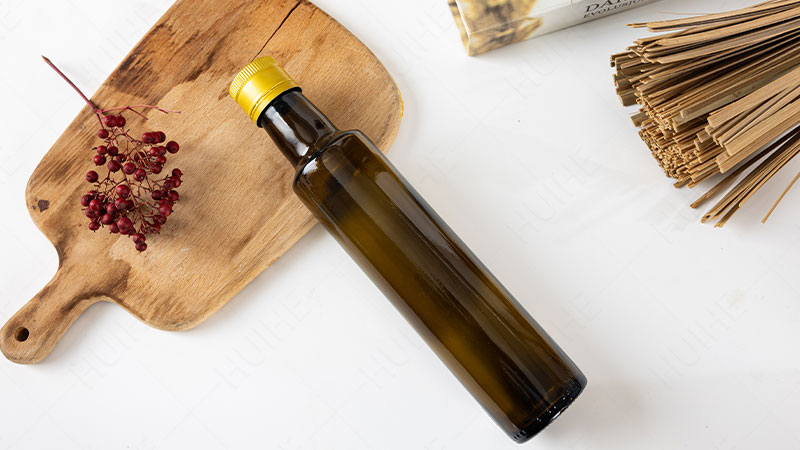
Screw caps with food-grade liners are the most common choice in commercial oil and vinegar packaging. They create a reliable seal that helps prevent air from entering the bottle, reducing oxidation and extending shelf life.
For vinegars, acid-resistant liners are especially important. These liners are designed to withstand contact with acetic acid without breaking down, helping maintain product safety and flavor stability over time. This makes screw caps a dependable option for both infused oil storage and vinegar bottles for storage.
Pourers and Drip-Control Caps
Pourers and drip-control caps are popular for olive oil and infused oil bottles where controlled dispensing is needed. They help regulate flow, reduce spills, and improve the user experience during cooking or serving.
These closures are best suited for oils that are used frequently. For longer storage, it is often recommended to pair pourers with a tight-fitting cap or store the bottle away from light and heat.
Corks – Why They Are Risky for Vinegar
While corks may look traditional or decorative, they come with risks when used for vinegar. Cork closures are more likely to cause leakage, especially when bottles are stored on their side or exposed to temperature changes.
In addition, vinegar’s acidity can interact with natural cork over time, potentially affecting flavor and seal integrity. For this reason, corks are generally less reliable for long-term vinegar storage compared to screw caps with proper liners.
Recommended Bottle Sizes for Homemade & Small-Batch Use
Choosing the right bottle size helps you manage freshness, control usage, and present your infused oils and vinegars more professionally. Smaller sizes reduce exposure to air after opening, while larger sizes work better for frequent use or small-batch sales.
Below is a simple size guide to help you select the best option based on how you plan to use or sell your products.
| Use Case | Recommended Size |
| Home kitchen | 100ml – 250ml |
| Farmers market | 250ml – 500ml |
| Small brands | 375ml / 500ml |
For home kitchens, 100ml to 250ml bottles are ideal for infused oil storage, as they are easy to handle and help maintain freshness. If you sell at farmers markets, 250ml to 500ml bottles balance shelf presence with practical portion sizes. Small brands often choose 375ml or 500ml bottles, which are widely accepted in oil and vinegar packaging and compatible with standard closures and labeling.
Selecting the right size ensures your infused oils and vinegars stay fresh, functional, and ready for everyday use or sale.
How to Choose Bottles If You Plan to Sell Infused Oils or Vinegars
If you plan to sell infused oils or vinegars, bottle selection goes beyond storage. Professionals look at packaging as part of product safety, brand credibility, and long-term operations.
Compliance with food-grade standards is the first requirement. Bottles should be made from certified food-grade glass that is suitable for contact with oil and acidic vinegar. This helps ensure safety and supports regulatory requirements in different markets.
Consistent supply is another key factor. Using standard bottle shapes and sizes makes it easier to reorder, scale production, and maintain uniformity across batches. Inconsistent packaging can disrupt operations and affect shelf presentation.
Professionals also consider customization potential. Options such as glass color, bottle shape, and compatible closures allow brands to differentiate their products while keeping the core packaging structure stable.
Finally, labeling compatibility matters more than many expect. Bottles should have smooth, consistent surfaces that support clear label application without peeling or distortion. This improves both compliance and shelf appearance.
By focusing on these practical considerations, you can choose bottles that support not only product quality, but also long-term growth and brand trust.

FAQ
1. Which container is best for storing oil?
Glass bottles are the best choice for storing oil. They are non-reactive, do not absorb flavors, and provide better protection against oxygen compared to plastic. Dark glass bottles are especially effective for infused oil storage.
2. What is the best bottle to store olive oil in?
An amber glass bottle with a tight screw cap is the best option for olive oil. Amber glass blocks UV light, while a secure closure helps limit air exposure and slow oxidation.
3. How should oil and vinegar bottles be stored?
Oil and vinegar bottles should be kept in a cool, dark place and sealed tightly after each use. Avoid storing them near heat sources or in direct sunlight to maintain quality and shelf life.
4. Is dark glass better than clear glass for infused oils?
Yes. Dark glass, such as amber or green, provides better protection from light, which helps prevent oxidation and flavor degradation. Clear glass is better suited for short-term use or decorative purposes.
5. Can I use the same bottle for infused oils and infused vinegars?
In most cases, yes—if the bottle is made from food-grade glass. However, vinegars benefit from thicker glass and acid-resistant closures due to their higher acidity.
6. Why does bottle shape matter for oil and vinegar storage?
Bottle shape affects oxygen exposure, pouring control, and storage efficiency. Narrow-neck bottles reduce air contact, while tall bottles offer better pouring control for oils.
7. Are corks suitable for storing infused vinegars?
Corks are not ideal for vinegar storage. They can leak and may react with vinegar’s acidity over time. Screw caps with acid-resistant liners provide a more reliable seal.
8. What bottle size is best for small-batch infused oils?
For small-batch or homemade use, bottles between 100ml and 250ml are ideal. They help maintain freshness by reducing the amount of air exposure after opening.
9. Do infused oils and vinegars need special closures?
Yes. Secure closures with food-grade liners help prevent leakage, contamination, and oxidation. For vinegars, acid-resistant liners are especially important.
10. Can clear glass bottles be used if stored properly?
Clear glass bottles can be used if the product has a short shelf life or is stored in a dark place or secondary packaging. For long-term storage, dark glass is still recommended.