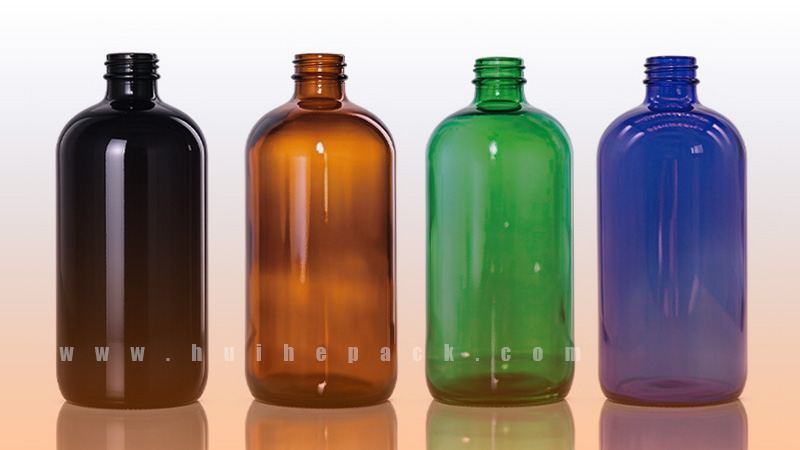
When choosing glass packaging, color is more than a design decision. It can also affect how much light reaches your product. This matters if you package essential oils, cosmetics, herbal extracts, olive oil, or other light-sensitive products.
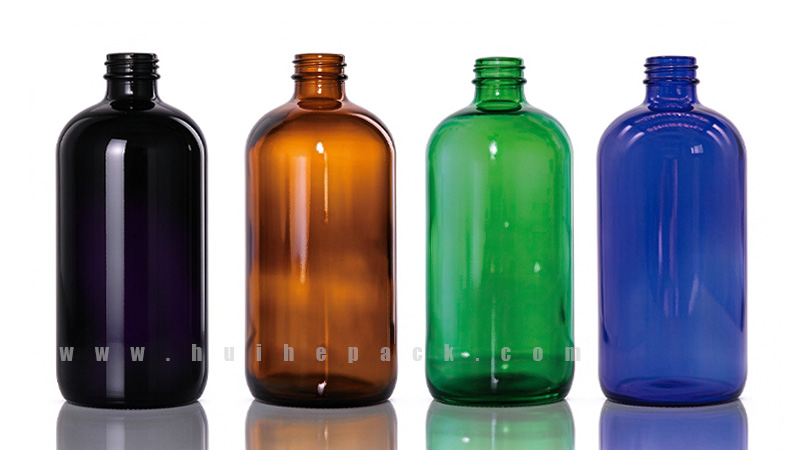
Amber, green, and cobalt blue are three popular colors in glass packaging. But which one offers the best light protection? Does darker glass always block more UV light? And is cobalt blue glass as protective as amber glass?
In this guide, we’ll compare amber vs. green vs. cobalt blue glass, explain how each color handles light, and help you choose the right glass packaging for your product.
Why Does Glass Color Matter for Light Protection?
Light can affect the quality, appearance, and shelf life of many packaged products. Depending on the formula, exposure to certain wavelengths may cause oxidation, color changes, or the breakdown of sensitive ingredients.
Not all light has the same effect. The two main types to consider are UV light and visible light.
UV Light and Visible Light: What’s the Difference?
UV light is invisible to the human eye. It includes UVA and UVB radiation, which can affect the stability of some ingredients. Visible light is the light you can see, covering wavelengths from approximately 380 to 700 nanometers.
Some products are also sensitive to blue and violet light, which falls within the shorter-wavelength part of the visible spectrum.
This is why UV protection and light protection are not exactly the same. A glass bottle may filter certain UV wavelengths while still allowing a considerable amount of visible light to pass through.
When choosing colored glass packaging, you should consider the type of light your product needs protection from, not just the bottle’s appearance.
Amber Glass: A Strong Choice for Light-Sensitive Products
Amber glass is widely used for products that need protection from light. Its brownish color comes from specific colorants in the glass, which help absorb much of the UV and short-wavelength visible light.
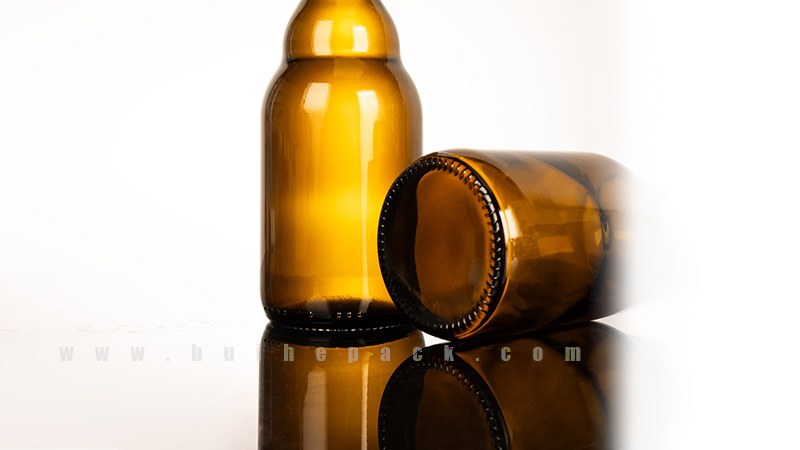
How Much Light Does Amber Glass Block?
Among common packaging glass colors, amber glass generally offers stronger protection against UV and blue-violet light than standard green or cobalt blue glass.
However, its actual performance depends on the glass formulation, wall thickness, and color depth. Not every amber glass bottle provides the same level of protection.
If your product contains light-sensitive ingredients, amber glass bottles are often a good starting point.
Common Uses of Amber Glass Packaging
Amber glass bottles are commonly used for:
- Essential oils and aromatherapy products
- Herbal extracts and tinctures
- Pharmaceutical and healthcare products
- Light-sensitive cosmetic ingredients
- Specialty liquids and natural formulations
For example, if you sell essential oils, amber glass packaging can help reduce exposure to light that may affect the quality of certain oil components.
It is also a practical choice when product protection is more important than a bright or distinctive bottle color.
Green Glass: A Balance of Protection and Natural Appearance
Green glass is another popular option, especially in food and beverage packaging. It is often associated with natural products, traditional craftsmanship, and a clean, familiar look.

Does Green Glass Protect Against UV Light?
Green glass can filter some UV light, but its protection level varies significantly.
Different shades of green, such as light green, olive green, and dark green, can have different light transmission properties. The glass formulation and thickness also affect how much light passes through.
In general, standard green glass should not be assumed to provide the same broad UV and short-wavelength light protection as amber glass.
If your product is sensitive to light, it is worth checking the actual light transmission performance before choosing green packaging.
Common Uses of Green Glass Bottles
Green glass is often used for:
- Olive oil and cooking oils
- Wine and specialty beverages
- Natural food products
- Herbal and botanical products
- Cosmetics and personal care products
For brands selling olive oil or premium beverages, green glass bottles offer a familiar appearance while providing some light filtering.
They are a good option when packaging style and product protection both matter, provided the selected glass offers suitable performance for your product.
Cobalt Blue Glass: Attractive Color with Selective Light Filtering
Cobalt blue glass stands out with its rich, vibrant color. It is often chosen by brands that want their packaging to look distinctive, elegant, or premium.
But does cobalt blue glass offer good UV protection?

How Does Cobalt Blue Glass Filter Light?
Cobalt blue glass gets its color from cobalt-based colorants. It selectively absorbs certain wavelengths while allowing much of the blue visible-light spectrum to pass through.
This means that its light-filtering behavior is different from amber glass.
Although cobalt blue glass may filter some UV wavelengths, you should not assume that it provides broad-spectrum UV protection or strong protection against blue light.
For products that are highly sensitive to light, amber glass is generally a safer starting point. If you prefer cobalt blue packaging, ask your glass bottle supplier about its spectral transmission performance.
Common Uses of Cobalt Blue Glass Packaging
Cobalt blue glass bottles are popular for:
- Cosmetic serums and skincare products
- Essential oils and fragrance products
- Aromatherapy packaging
- Specialty beauty products
- Premium personal care lines
For beauty and fragrance brands, cobalt blue glass can create a strong visual identity. It works especially well when shelf appeal and brand recognition are important.
However, if your formula contains light-sensitive ingredients, make sure the packaging provides enough protection rather than relying on color alone.
UV Violet (Miron) Glass: A Different Approach to Light Protection
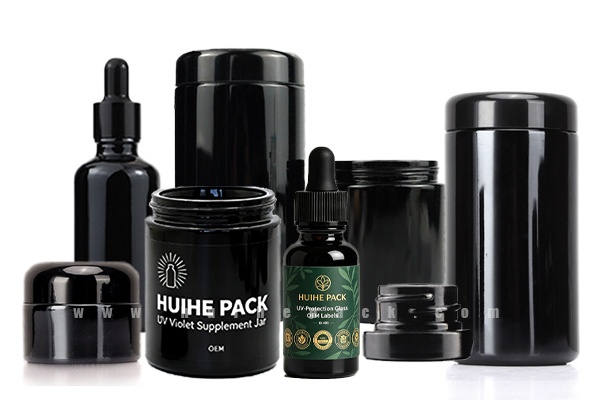
UV violet glass, also known as Miron violet glass, offers a different approach to light protection. Its deep violet color selectively filters much of the visible light while allowing certain UV-A and infrared wavelengths to pass through.
This unique light-filtering property makes it an interesting option for premium cosmetics, essential oils, herbal products, and natural formulations. Compared with standard amber, green, or cobalt blue glass, UV violet glass has a more distinctive appearance and a different spectral transmission profile.
If you are considering UV violet glass packaging, check its light transmission data to make sure it suits your product’s storage and protection requirements.
Amber vs. Green vs. Cobalt Blue vs. UV Violet Glass: Side-by-Side Comparison
| Comparison | Amber Glass | Green Glass | Cobalt Blue Glass | UV Violet (Miron) Glass |
| UV Light Filtering | Generally strong | Varies by formulation | Varies by formulation | Selectively filters UV wavelengths |
| Visible Light Filtering | Stronger in shorter wavelengths | Varies by shade | Selectively filters visible wavelengths | Filters much of the visible spectrum |
| Blue Light Filtering | Generally strong | Varies | Allows much of blue light through | Filters much of visible blue-violet light |
| Main Advantage | Reliable light protection | Natural, traditional appearance | Distinctive blue appearance | Unique selective light filtering |
| Common Uses | Essential oils, extracts, pharmaceuticals | Olive oil, wine, beverages | Cosmetics, fragrance, specialty products | Premium cosmetics, essential oils, natural products |
| Best For | Light-sensitive products | Brands seeking a classic green look | Brands prioritizing visual appeal | Products suited to selective light filtering |
- Amber Glass: A practical choice for stronger UV and short-wavelength visible light protection.
- Green Glass: Suitable for brands seeking a traditional appearance with some light filtering.
- Cobalt Blue Glass: Ideal for distinctive packaging, but should not be assumed to offer broad-spectrum light protection.
- UV Violet Glass: An option for brands seeking selective light filtering and a distinctive premium packaging style.
Which Glass Color Should You Choose for Your Product?
The right glass color depends on your product formula, storage conditions, and branding goals. Here are a few common packaging situations to help you decide.
For Essential Oils and Herbal Extracts
Amber glass is often the preferred choice for essential oils, tinctures, and herbal extracts because it offers stronger short-wavelength light filtering.
If you prefer a different bottle color, check whether its light transmission performance meets your product requirements.
For Olive Oil and Beverages
Green glass is widely used for olive oil and wine packaging. It offers a familiar appearance and can filter some light.
If your product requires stronger protection, amber glass or additional secondary packaging may be worth considering.
For Cosmetics and Skincare Products
Cobalt blue and amber glass are both popular in cosmetic packaging.
Amber is a practical choice for light-sensitive formulas, while cobalt blue offers a distinctive look for premium skincare and fragrance products.
Before making your choice, consider the ingredients in your formula. Some cosmetic products are more sensitive to light than others.
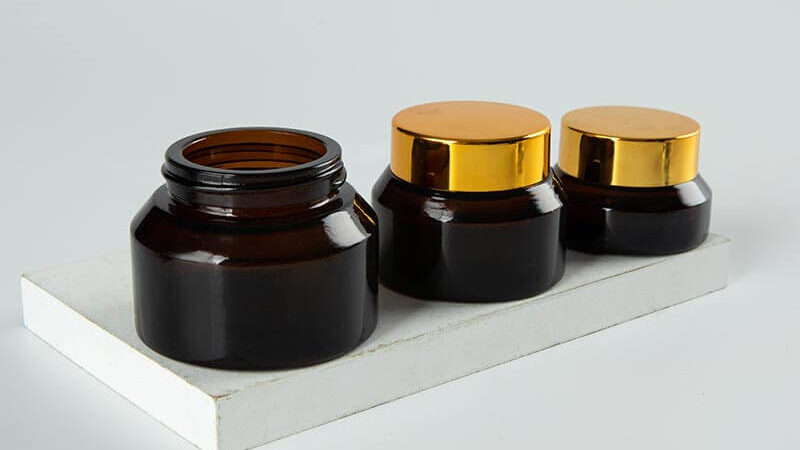
What Affects the Light Protection of Colored Glass Bottles?
Glass color is important, but it is not the only factor that determines how much light reaches your product.
Here are four things you should consider when selecting colored glass packaging.
Glass Wall Thickness
Thicker glass may reduce light transmission, depending on its composition and wavelength. Two bottles with the same color may therefore offer different levels of protection.
Glass Color and Formulation
The colorants and their proportions affect which wavelengths the glass absorbs or transmits. Even bottles that look similar can have different optical properties.
Spectral Light Transmission
Spectral transmission testing measures how much light passes through glass at different wavelengths. It gives you a more reliable picture of light protection than visual inspection alone.
If your product has strict light protection requirements, ask your supplier whether testing data is available.
Secondary Packaging
A glass bottle is only one part of your packaging system. Cartons, protective sleeves, opaque labels, and other packaging components can further reduce light exposure.
For highly light-sensitive products, combining suitable colored glass with secondary packaging may provide better overall protection.
Conclusion
Amber, green, cobalt blue, and UV violet glass each offer different benefits for packaging. Amber glass is generally a strong choice for light-sensitive products, while green and cobalt blue glass offer a balance of appearance and selective light filtering. UV violet glass, such as Miron glass, provides a different light-filtering profile for brands looking for distinctive packaging.
The best choice depends on your product’s light sensitivity, storage requirements, and brand identity. At HUIHE PACK, we offer glass packaging solutions in different colors, shapes, and capacities to meet your business needs. Whether you are looking for amber, green, cobalt blue, or UV violet glass packaging, contact our team to explore suitable options for your products.
FAQs About Colored Glass Light Protection
Does amber glass block UV light?
Amber glass generally absorbs a large portion of UV light and some short-wavelength visible light. Its exact protection level depends on the glass formulation and thickness.
Is cobalt blue glass better than amber glass for UV protection?
Not generally. Amber glass is usually a stronger choice for broad UV and blue-violet light filtering. Cobalt blue glass has different light transmission properties and allows much of the blue visible-light spectrum through.
Does green glass protect products from sunlight?
Green glass can filter some UV light, but the level varies by shade and formulation. It should not be considered a complete solution for highly light-sensitive products.
Does darker glass always offer better UV protection?
No. A darker appearance does not automatically mean better UV protection. The glass composition and spectral transmission properties are more important than color alone.
Can colored glass completely protect light-sensitive products?
No. Colored glass can reduce exposure to certain wavelengths, but it cannot guarantee complete protection. For highly sensitive products, consider additional packaging and suitable storage conditions.