
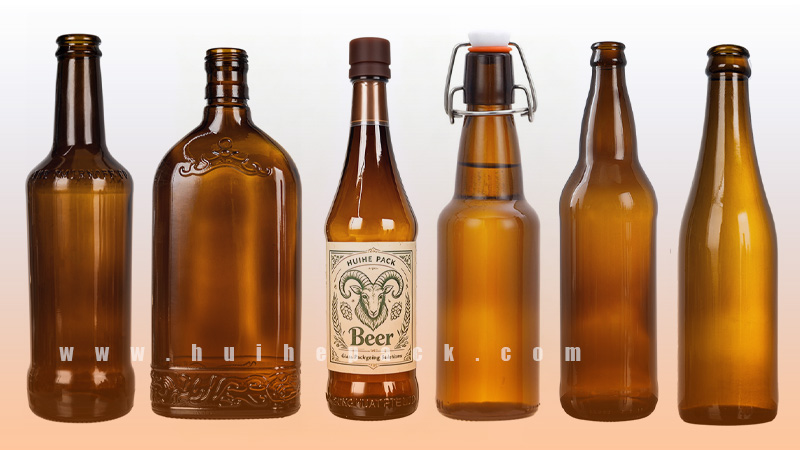
Whether you’re launching a craft brewery, expanding into export markets, or sourcing packaging for an established beer brand, choosing the right beer bottle size is more important than many people realize. Bottle capacity affects everything from filling efficiency and shipping costs to shelf appeal and customer expectations.
If you’ve searched for standard beer bottle sizes, you’ve probably noticed that there isn’t one universal answer. A “standard” bottle in the United States is different from one in Germany, Australia, or the UK. Beer styles, drinking habits, and local regulations have all shaped the bottle sizes used in different markets.
This guide explains the most common beer bottle sizes around the world, their dimensions, typical applications, and how to choose the right option for your business. Whether you’re buying stock bottles or planning a custom project, you’ll find practical information to help you make the right packaging decision.
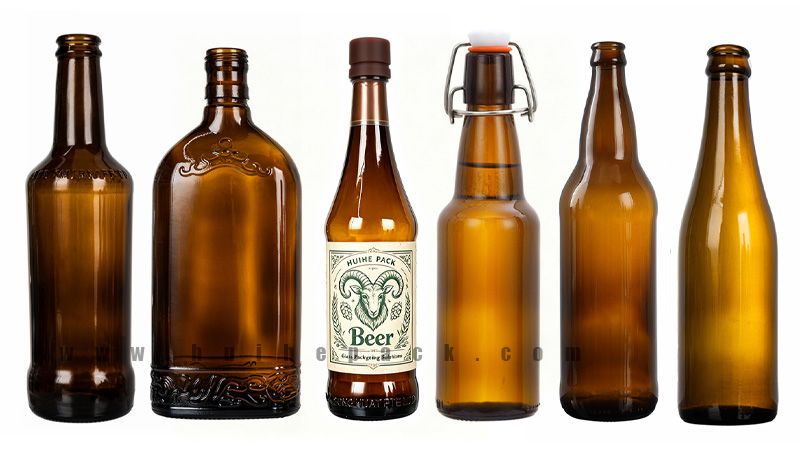
Why Beer Bottle Size Matters
Beer bottle size isn’t just about how much liquid the bottle holds. It directly affects production, logistics, branding, and even the way customers experience your product.
For breweries, using a standard bottle size usually means easier sourcing, faster production, and lower packaging costs. Standard molds are widely available, compatible with most filling lines, and often require lower minimum order quantities than custom designs.
From a logistics perspective, bottle size also influences pallet efficiency, shipping weight, and container loading. A lighter 330ml bottle may reduce freight costs for export, while a larger 500ml bottle can offer better value for markets where bigger serving sizes are preferred.
Consumers also have expectations based on where they live. A 355ml bottle feels familiar to American drinkers, while many European customers naturally expect a 330ml or 500ml bottle. Choosing a size that matches local buying habits helps your product feel more natural on retail shelves.
Finally, bottle size plays a role in branding. Smaller bottles often suit premium craft beer, tasting collections, or gift packs. Larger bottles create a more traditional or family-sharing experience and work well for specialty beers.
Simply put, selecting the right beer bottle size helps you balance production efficiency, market demand, and brand positioning.
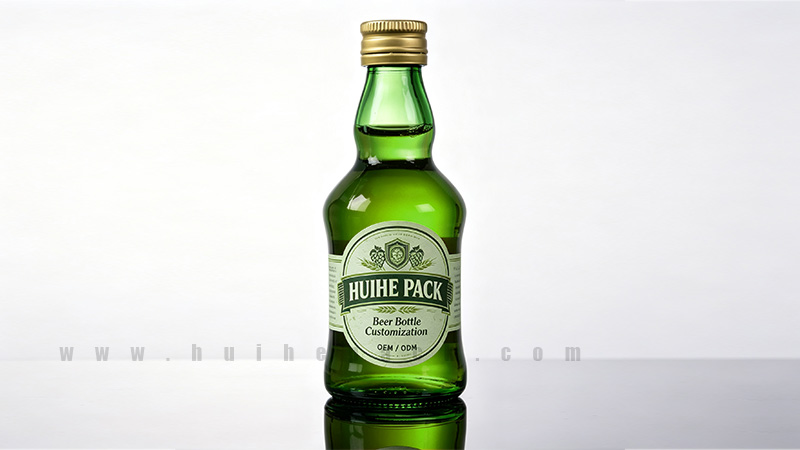
Standard Beer Bottle Size Chart
The table below shows some of the most widely used standard beer bottle sizes around the world. While dimensions may vary slightly between manufacturers, these sizes are recognized across most packaging and filling systems.
| Capacity | Fluid Ounces | Typical Height | Typical Diameter | Common Name | Popular Markets |
| 250 ml | 8.5 oz | 180–190 mm | 55–58 mm | Mini Beer Bottle | Asia, Europe |
| 275 ml | 9.3 oz | 200–210 mm | 58–60 mm | Stubby | UK, Australia |
| 300 ml | 10 oz | 210–220 mm | 60–62 mm | Standard Small Bottle | Asia |
| 330 ml | 11.2 oz | 225–235 mm | 60–62 mm | Long Neck | Europe, Global Export |
| 341 ml | 11.5 oz | 230–240 mm | 60–62 mm | Canadian Standard | Canada |
| 355 ml | 12 oz | 230–240 mm | 60–63 mm | American Standard | USA, Mexico |
| 500 ml | 16.9 oz | 255–270 mm | 68–70 mm | Euro Bottle | Europe, UK |
| 650 ml | 22 oz | 280–300 mm | 74–76 mm | Large Beer Bottle | India, Asia |
| 750 ml | 25.4 oz | 290–310 mm | 80–85 mm | Belgian Style | Premium & Specialty Beer |
| 1 L | 33.8 oz | 320–340 mm | 88–92 mm | Growler Bottle | Germany, Craft Beer |
Tip: Bottle dimensions can vary slightly depending on the manufacturer, bottle weight, and mold design. If your filling line requires precise measurements, always confirm the technical drawing before placing an order.
Beer Bottle Sizes Around the World
Although beer is enjoyed almost everywhere, beer bottle sizes are far from universal. Different countries have developed their own packaging standards based on local drinking culture, retail preferences, and brewing traditions.
Understanding these differences is especially helpful if you’re exporting beer or sourcing bottles for multiple markets.
United States
The 355ml (12 oz) bottle is the standard beer bottle size across the United States. You’ll find it in supermarkets, convenience stores, bars, and breweries of every size. Most American filling lines are designed around this format, making it the easiest option for domestic production.
Larger bottles are also common for craft beer. The 650ml (22 oz) bottle, often called a “Bomber,” has long been used for limited releases and seasonal beers, although many breweries are gradually moving toward cans. For taproom sales and fresh draft beer, reusable growlers in 32 oz and 64 oz remain popular.
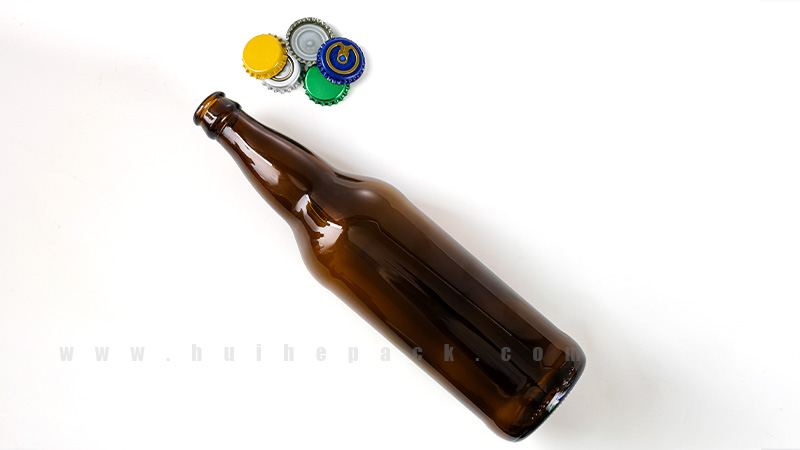
Europe
Across Europe, the 330ml beer bottle is the most widely recognized size for retail beer. It offers a good balance between portability, serving size, and shipping efficiency, making it a favorite for both domestic sales and international exports.
The 500ml bottle is equally important, particularly in countries with strong lager traditions such as Germany, Poland, and the Czech Republic. Many premium lagers, wheat beers, and regional specialties continue to use this larger format.
For specialty Belgian beers and high-alcohol craft products, 750ml bottles are often chosen because they create a premium presentation and are ideal for sharing.
United Kingdom
Beer packaging in the UK reflects a mix of traditional ale culture and modern retail demand.
The 500ml bottle remains one of the most common choices for ales, stouts, and premium bottled beer, while 330ml bottles have become increasingly popular for imported lagers, craft beer, and supermarket multipacks.
Many British breweries also produce limited-edition beers in larger bottles for gift sets and seasonal releases.
Australia
Australia is known for its distinctive beer packaging terminology.
The classic 375ml Stubby has been a household favorite for decades and is still widely available today. At the same time, 330ml long neck bottles are becoming more common among premium imported beers and craft breweries.
Because Australian consumers are familiar with several bottle sizes, breweries often select packaging based on brand positioning rather than tradition alone.
Germany
Germany has one of the most recognizable beer packaging systems in the world.
The 500ml Euro bottle continues to dominate supermarket shelves and breweries across the country. It is commonly used for lagers, pilsners, wheat beers, and many regional styles.
The 330ml bottle is also widely available, particularly for export brands and specialty beers. Thanks to Germany’s bottle return system, many bottles follow standardized shapes that can be reused multiple times, making consistency especially important.
Common Beer Bottle Shapes
Capacity is only one part of beer packaging. The shape of the bottle also influences your product’s appearance, handling, and compatibility with filling equipment.
Some bottle styles have become closely associated with certain beer categories, helping consumers instantly recognize a product before reading the label.
Long Neck Bottle
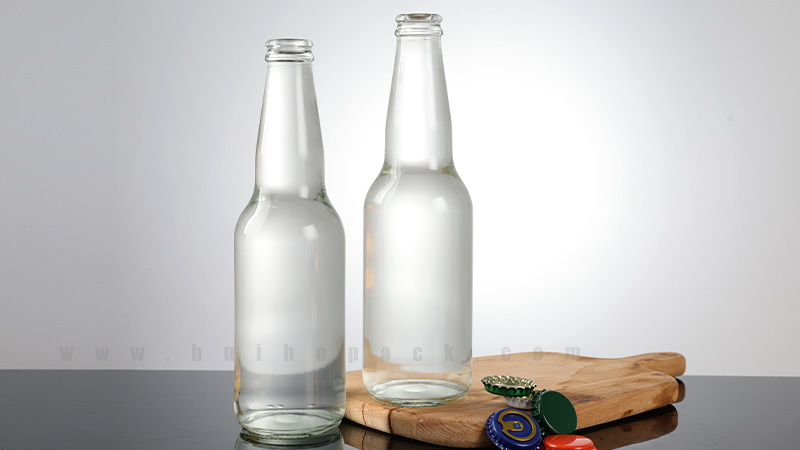
The long neck bottle is the most popular beer bottle design worldwide. Its tall profile offers a large label area, feels comfortable to hold, and works well on automated production lines.
You’ll commonly see long neck bottles in 330ml, 355ml, and 500ml sizes, making them suitable for everything from mainstream lagers to premium craft beer.
Stubby Bottle
Stubby bottles have a shorter, wider body with a compact appearance. Their lower center of gravity makes them durable during transport and less likely to tip over on production lines.
They remain popular in Australia, the UK, and several Asian markets, especially for traditional beer brands.
Belgian Bottle
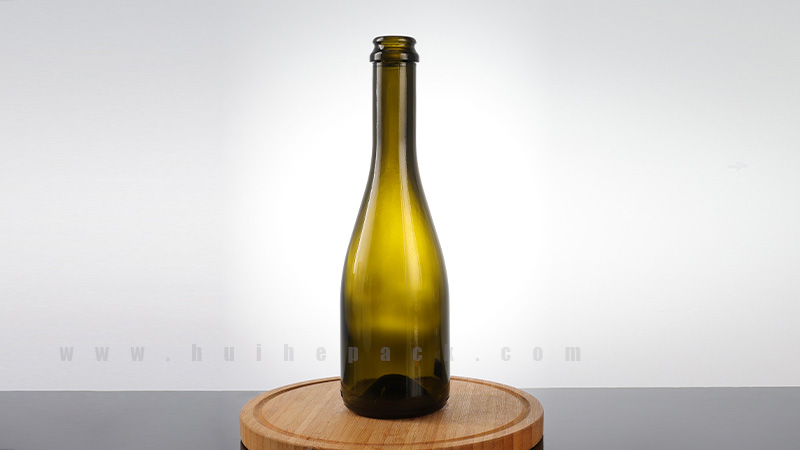
Belgian-style bottles feature thicker glass, a wider body, and an elegant silhouette. Many are designed to handle higher carbonation levels, making them ideal for Belgian ales, Trappist beers, barrel-aged beers, and other premium products.
These bottles are commonly paired with cork-and-cage or crown cap closures for a distinctive, high-end presentation.
Steinie Bottle
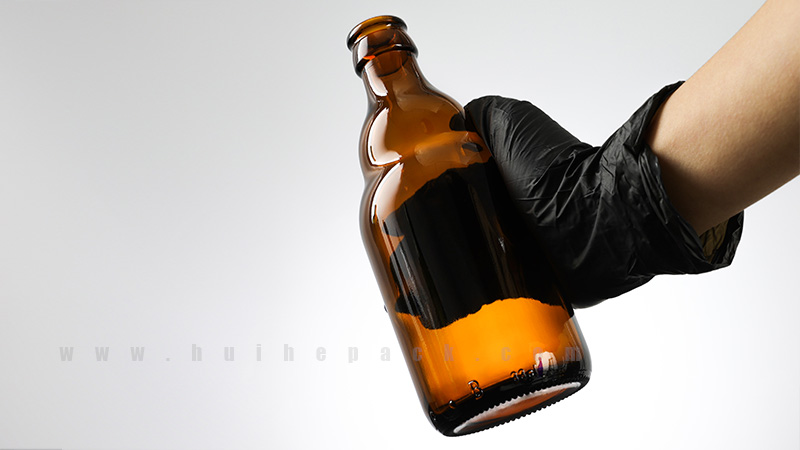
The Steinie bottle has gently rounded shoulders and a shorter neck, giving it a classic European look. Although less common than the long neck design, it remains popular among breweries looking for a traditional appearance or a unique shelf presence.
Standard Beer Bottle Dimensions
While capacity is the first specification most buyers look at, the dimensions of a beer bottle are just as important. Height, body diameter, neck finish, and bottle weight all affect filling line compatibility, label application, case packing, and shipping efficiency.
For example, two 330ml bottles may hold the same amount of beer but have different heights or body diameters. A slim long neck bottle creates a premium appearance, while a shorter bottle can improve packing density and reduce transportation costs.
When sourcing bottles for commercial production, it’s always a good idea to request the technical drawing before placing an order. This ensures the bottle matches your filling equipment, labeling machine, cartons, and closures.
| Capacity | Typical Height | Body Diameter | Common Neck Finish | Typical Weight |
| 250 ml | 180–190 mm | 55–58 mm | 26 mm Crown | 180–220 g |
| 275 ml | 200–210 mm | 58–60 mm | 26 mm Crown | 220–260 g |
| 330 ml | 225–235 mm | 60–62 mm | 26 mm Crown | 240–320 g |
| 355 ml | 230–240 mm | 60–63 mm | 26 mm Crown | 260–340 g |
| 500 ml | 255–270 mm | 68–70 mm | 26 mm / 29 mm Crown | 350–450 g |
| 650 ml | 280–300 mm | 74–76 mm | 26 mm Crown | 450–550 g |
| 750 ml | 290–310 mm | 80–85 mm | 29 mm Crown / Cork | 550–700 g |
Pro Tip: Lightweight bottles are becoming increasingly popular among breweries because they reduce freight costs and carbon emissions. However, bottle strength should always be matched to your filling pressure and distribution method.
Beer Bottle Neck Finishes and Closures
Choosing the correct neck finish is just as important as choosing the bottle size. The wrong finish may not work with your capping machine or preferred closure.
Fortunately, most beer bottles use industry-standard finishes, making it easy to source compatible caps.
23 mm Crown Finish
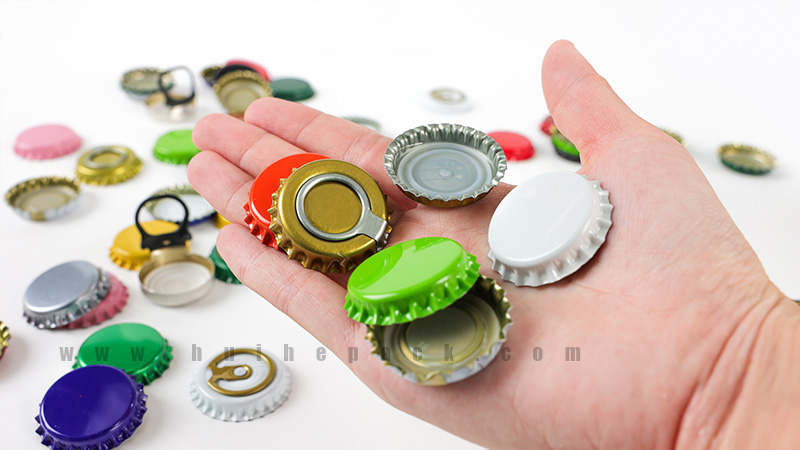
The 23 mm crown finish is commonly used for smaller beer bottles and certain regional packaging standards. It provides a secure seal while reducing material usage and is typically found on lightweight bottles or specialty formats in selected markets.
Best suited for:
- Small-capacity beer bottles
- Regional beer brands
- Lightweight packaging
26 mm Crown Finish
The 26 mm crown finish is the global standard for most beer bottles, including 330ml, 341ml, and 355ml bottles.
It offers reliable sealing, excellent carbonation retention, and works with nearly all automatic bottling lines. Most lagers, pilsners, IPAs, and craft beers use this closure.
29 mm Crown Finish
The 29 mm crown finish is mainly used for larger bottles and beverages with higher carbonation.
You’ll often see it on:
- 500ml beer bottles
- Belgian-style bottles
- Wheat beer bottles
- Specialty craft beer
The larger opening also makes pouring easier while providing a secure seal.
Twist-Off Crown Caps
Twist-off caps allow consumers to open the bottle without a bottle opener.
Although convenient, they require specially designed bottle finishes and are more common in North America than in Europe.
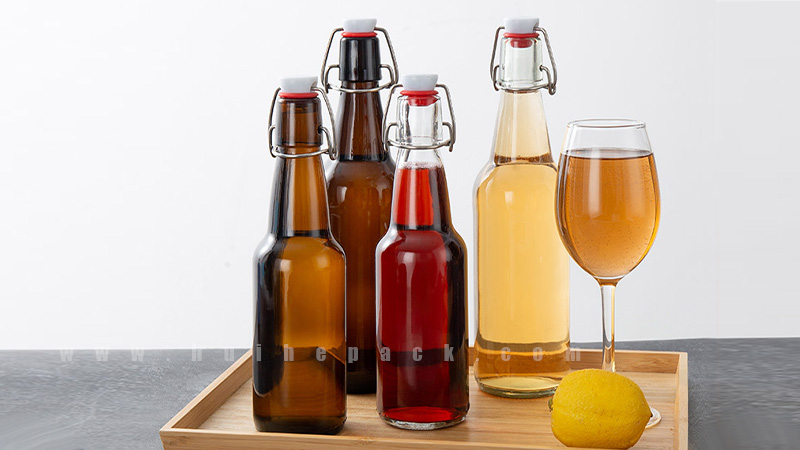
Swing Top Bottles
Swing top closures use a ceramic or plastic stopper with a stainless steel wire bail.
These bottles are reusable and create a premium, traditional appearance. They are commonly used for:
- German beer
- Homebrew
- Craft breweries
- Seasonal products
Although more expensive than crown caps, they add significant shelf appeal.
Beer Bottle Colors and Their Applications
Color is more than a design choice. It also affects how well your beer is protected from light during storage and transportation.
Amber Beer Bottles
Amber is the most popular color for beer packaging worldwide.
The brown glass helps block ultraviolet light, reducing the risk of “lightstruck” beer and preserving freshness for longer periods. This is why most international breweries continue to choose amber bottles for mainstream products.
Best for:
- Lager
- IPA
- Pale Ale
- Stout
- Export beer
Clear Beer Bottles
Clear glass gives consumers a full view of the beer, creating a clean and modern appearance.
Many premium brands use clear bottles to highlight color and clarity, although UV protection is much lower than amber glass. Products packed in clear bottles are usually stored in cartons or away from direct sunlight.
Best for:
- Premium lager
- Gift packaging
- Restaurant service

Green Beer Bottles
Green bottles are closely associated with many well-known European beer brands.
While they offer moderate light protection, they are mainly chosen for branding and tradition.
- European lager
- Imported beer
- Heritage brands
Best for:
Cobalt Blue Beer Bottles
Blue bottles are less common but immediately stand out on the shelf.
Many breweries use cobalt blue glass for limited editions, premium craft beer, or promotional packaging because it creates a distinctive appearance.
Best for:
- Craft beer
- Limited releases
- Gift collections
Black Beer Bottles
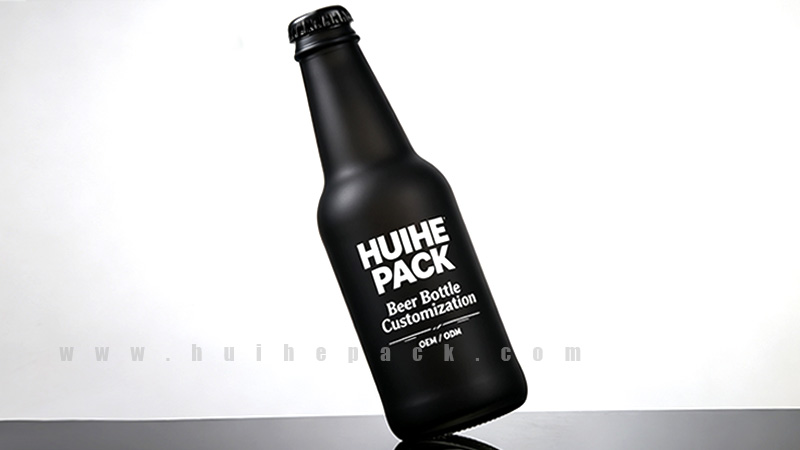
Black glass delivers a bold, luxury look while providing excellent light protection.
Although production costs are higher, black bottles are increasingly used for high-end beers and anniversary editions.
Best for:
- Barrel-aged beer
- Premium collections
- Luxury branding
Choosing the Right Beer Bottle Size
There isn’t a single “best” beer bottle size. The right choice depends on your target market, beer style, production equipment, and sales channel.
If you’re launching a new beer brand, start by considering where your product will be sold.
| Application | Recommended Bottle Size | Why It Works |
| Mainstream Lager | 330 ml / 355 ml | Most familiar to consumers and easy to source |
| Craft Beer | 330 ml | Premium appearance and ideal for specialty styles |
| IPA & Pale Ale | 330 ml / 500 ml | Popular with craft breweries worldwide |
| Wheat Beer | 500 ml | Traditional serving size with larger capacity |
| Belgian Ale | 750 ml | Premium presentation and sharing occasions |
| Restaurant & Bar | 330 ml / 500 ml | Easy portion control and efficient service |
| Export Markets | 330 ml | Compatible with most international packaging standards |
If you’re exporting internationally, choosing a globally recognized size such as 330ml often simplifies logistics and helps your product fit local retail expectations.
For breweries focused on premium positioning, a unique bottle shape or decorative finish may have a greater impact than increasing bottle size.
Common Mistakes When Choosing Beer Bottles
Selecting a beer bottle may seem straightforward, but many breweries encounter problems that could have been avoided during the sourcing stage.
One common mistake is choosing a bottle based only on appearance. A beautiful bottle that doesn’t fit your filling line or labeling machine can slow production and increase costs.
Another issue is overlooking bottle weight. Heavy bottles create a premium feel, but they also increase freight costs, especially for export shipments. Lightweight bottles can reduce transportation expenses without sacrificing performance when properly designed.
Some buyers also forget to confirm neck finish compatibility. Even if two bottles look similar, they may require different crown caps or capping equipment.
Finally, don’t underestimate decoration. Processes like screen printing, frosting, embossing, and ceramic decals can enhance shelf appeal, but they should also be compatible with pasteurization, cold-chain storage, and long-distance transportation.
Taking time to review these details before production helps you avoid unnecessary delays and ensures your packaging performs as expected.
Final Thoughts
There is no single “perfect” beer bottle size for every brewery. The best choice depends on your target market, beer style, production line, and brand strategy.
For most breweries, 330ml, 355ml, and 500ml remain the most practical and widely accepted options. These sizes are compatible with standard filling equipment, easy to source, and familiar to consumers around the world.
If you’re developing a premium product, larger formats such as 750ml Belgian bottles can create a more distinctive presentation, while lightweight bottles may help reduce freight costs for export markets.
Before making a final decision, compare bottle dimensions, neck finishes, closures, decoration options, and shipping requirements—not just capacity. Looking at the complete packaging solution will help you avoid production issues and create a better experience for your customers.
Whether you’re purchasing stock bottles or planning a custom design, selecting the right beer bottle is an investment in your brand’s long-term success.

FAQ
- What is the difference between a 330ml and a 355ml beer bottle?
A 330ml bottle is the international standard for many European breweries and export brands, while 355ml (12 oz) is the traditional American standard. The capacity difference is small, but choosing the right size helps match local consumer expectations and filling equipment.
- Which beer bottle color is best?
Amber beer bottles provide the best protection against UV light and are the preferred choice for most breweries. Clear, green, blue, and black bottles are typically selected for branding or premium packaging rather than maximum light protection.
- Can I customize beer bottles with my own logo?
Yes. Custom options include bottle molds, embossed logos, screen printing, ceramic decals, frosting, color spraying, hot stamping, and custom labels. These decoration methods help breweries build stronger brand recognition.
- Can I order samples before mass production?
Yes. At HUIHE PACK, standard beer bottle samples are available free of charge—you only pay the courier cost. Samples are typically shipped by express delivery, and faster air freight arrangements can also be made if you need samples urgently before placing a bulk order.
Recommended References
- Brewers Association – Packaging Resources: https://www.brewersassociation.org/
- Brewers Publications – Packaging & Quality: https://www.brewerspublications.com/
- European Brewery Convention (EBC): https://www.europeanbreweryconvention.org/
- Glass Packaging Institute: https://www.gpi.org/
- British Beer & Pub Association: https://beerandpub.com/