Supplements come in many forms, from vitamins and capsules to gummies, tablets, powders, and herbal products. Choosing the right packaging is about more than putting your product in a container. You also need to consider child safety, product protection, ease of use, shelf life, and the requirements of your target market.
For many supplement brands, a glass jar with a child-resistant closure can provide a practical packaging solution. But not every supplement needs the same packaging.
This guide explains how child-resistant supplement packaging works, when you may need it, and how to choose the right glass jar, CRC cap, and sealing options for your product.
What Is Child-Resistant Packaging for Supplements?
Child-resistant packaging is designed to make it difficult for young children to open while remaining usable for adults. You may also see it called CRC packaging, child-resistant packaging, or special packaging.
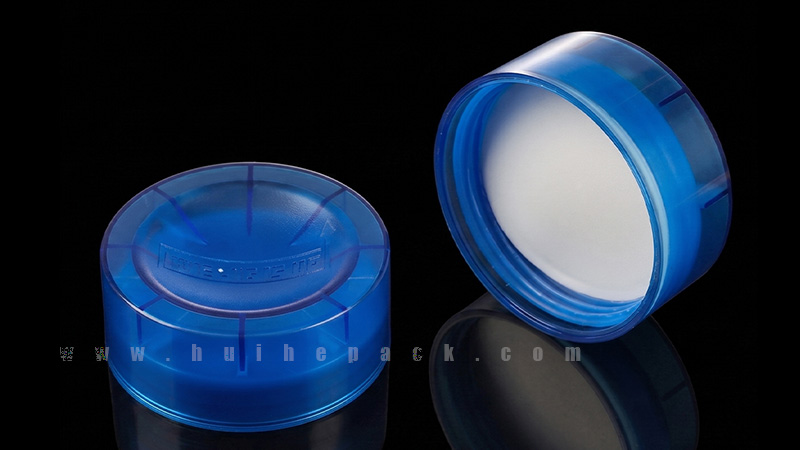
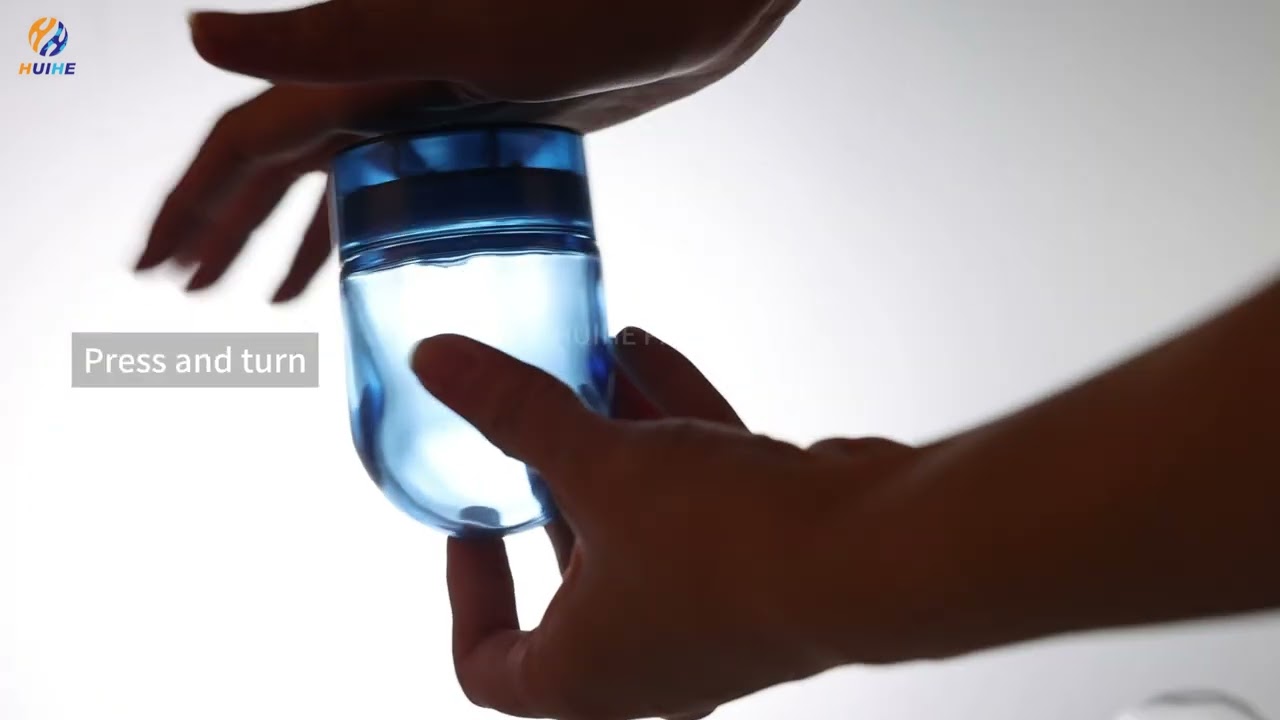
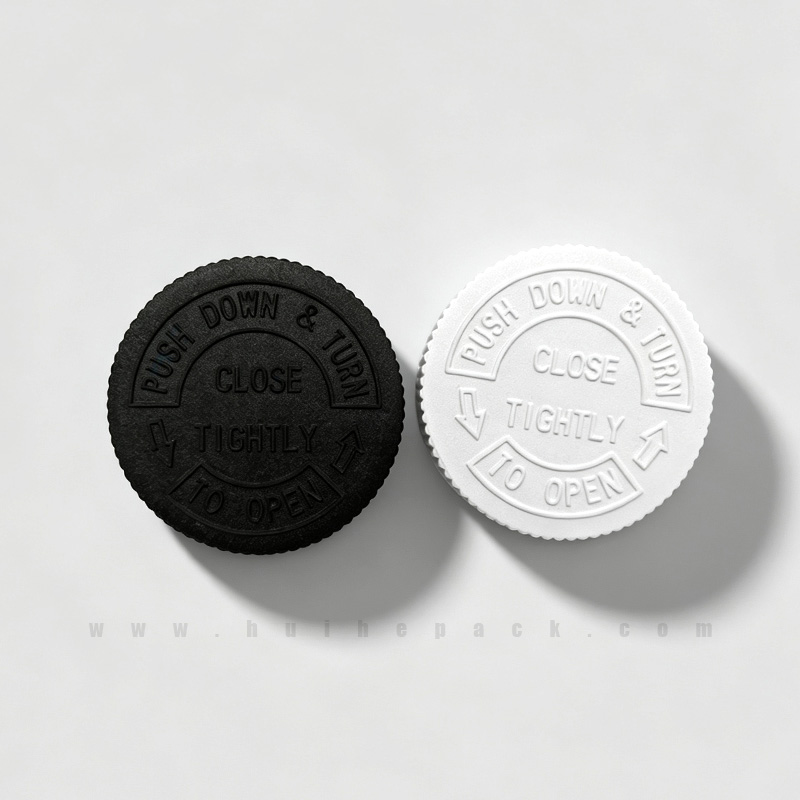
A common solution for supplements is a child-resistant cap, or CRC cap, fitted to a compatible bottle or glass jar. Many CRC closures use a push-and-turn mechanism. The user needs to apply downward pressure while turning the cap to open the container.
It is important to understand that child-resistant does not mean child-proof. The purpose is to reduce the risk of accidental access by young children while allowing adults to use the package.
For supplement brands, CRC packaging can be considered alongside other packaging features, such as tamper-evident seals and product-compatible liners.
Do Supplements Need Child-Resistant Packaging?
Not every vitamin, dietary supplement, or nutraceutical automatically requires child-resistant packaging. The requirements can depend on the formulation, ingredients, dosage, package configuration, and the market where you sell your product.
Some products have specific regulatory requirements. For example, certain iron-containing dietary supplements in the U.S. are subject to special packaging requirements depending on the amount of elemental iron in the product.
You should therefore check the regulations that apply to your specific formulation and target market before selecting your packaging.
Even when CRC packaging is not legally required, a brand may still choose it as an additional child-safety measure. This can be especially relevant for products that are easy for children to mistake for food or candy, such as flavored gummies.
Important: Packaging requirements can vary by product and market. Always confirm the applicable regulations and testing requirements for your product before placing a large order.
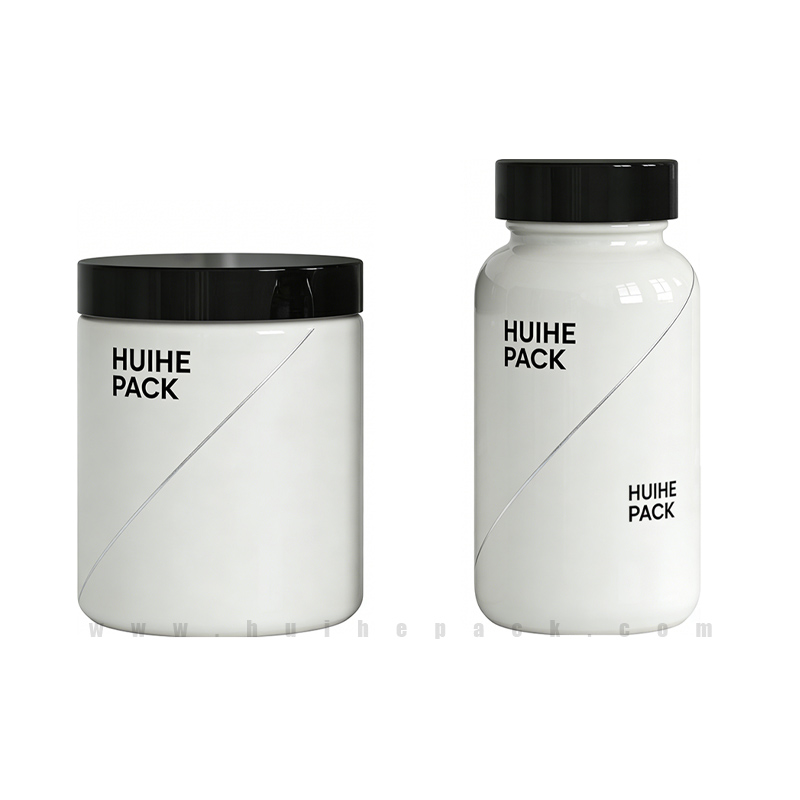
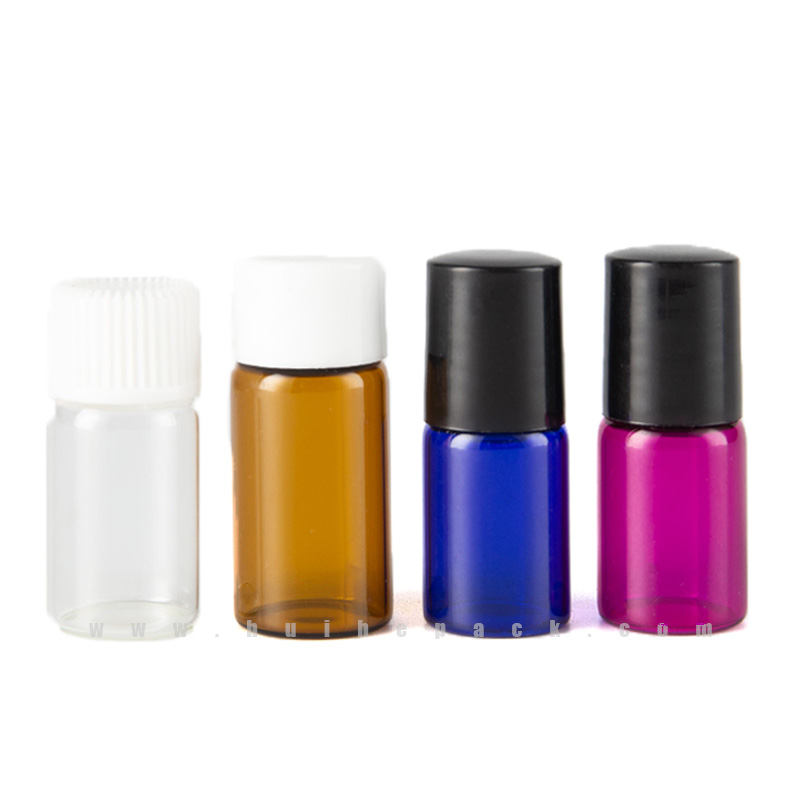
Why Choose Glass Jars for Supplement Packaging?
Glass is a popular option for premium supplements, capsules, tablets, herbal products, and nutraceuticals. A well-designed glass supplement jar can combine product protection with a clean, professional appearance.
1. Strong Product Protection
Glass provides a solid barrier against many external factors. It does not absorb moisture or odors in the same way that some packaging materials can, making it a useful option for many supplement formulations.
You can also select the jar and closure based on the specific protection your product needs.
2. Amber Glass for Light-Sensitive Products
Clear glass works well when product visibility is important. However, some vitamins, botanical ingredients, and herbal supplements can be sensitive to light.
For these products, amber glass supplement jars can provide additional protection from light exposure.
Amber glass is commonly considered for:
- Vitamins and minerals
- Herbal supplements
- Botanical products
- Plant extracts
- Light-sensitive formulations
If your product is sensitive to UV or visible light, consider the glass color as part of the overall packaging system rather than choosing a jar based only on appearance.
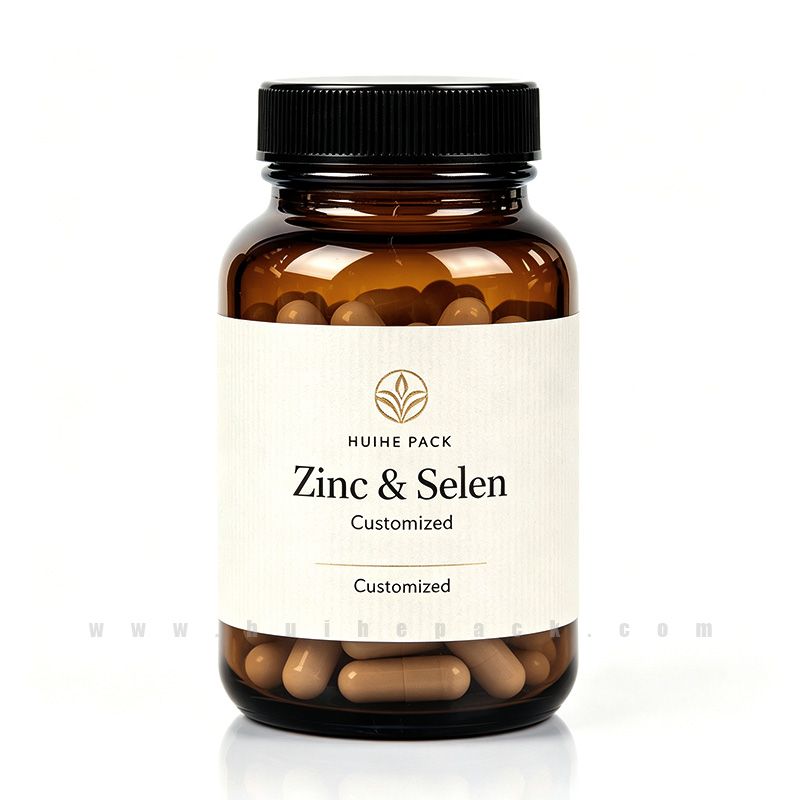
3. Premium Shelf Appeal
Glass can give your supplement packaging a more substantial and premium feel. This can work particularly well for wellness, nutraceutical, herbal, and high-end supplement brands.
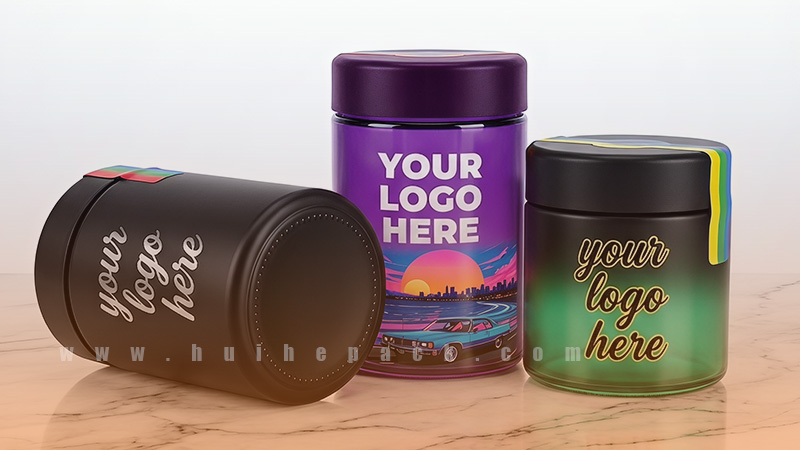
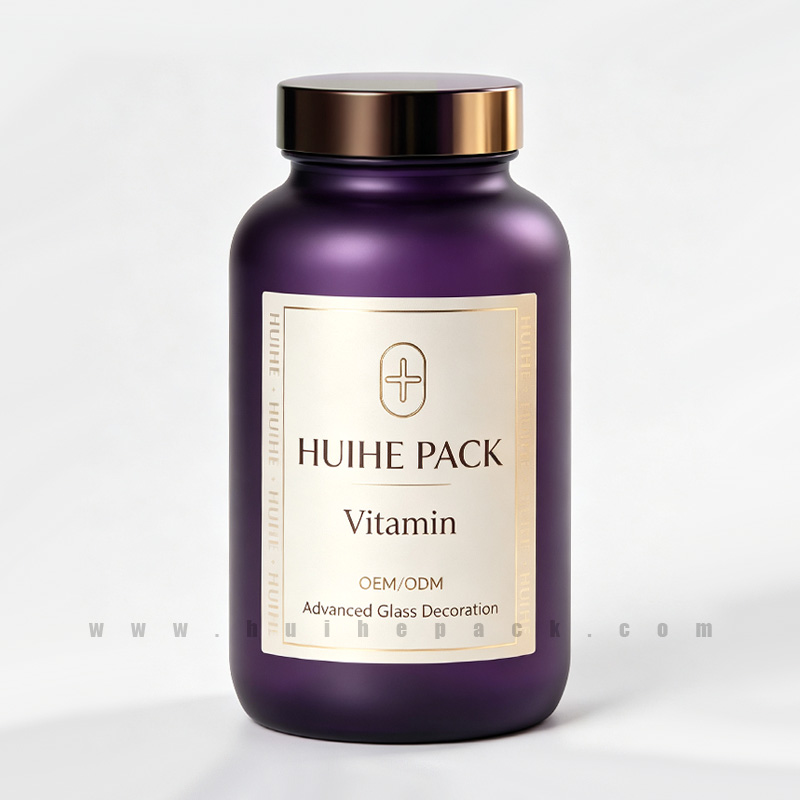
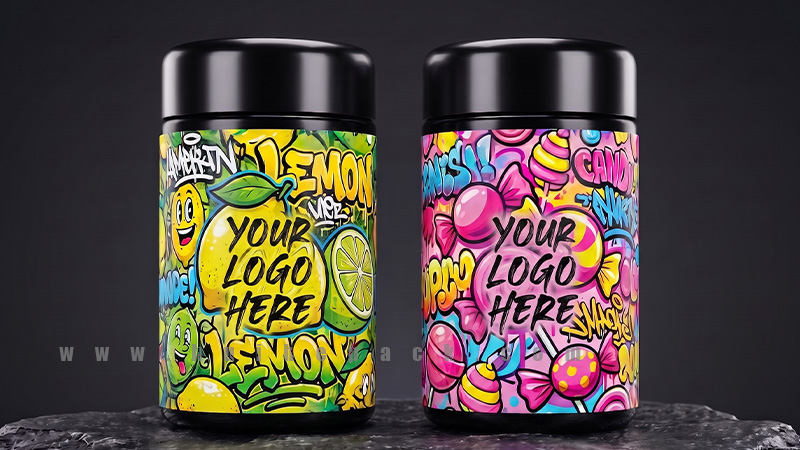
A simple glass jar can also be customized with labels, printing, coating, or other decoration to match your brand identity.
4. Material Stability
Glass is generally chemically stable and can be suitable for products where minimizing interaction between the container and formulation is important.
However, packaging compatibility should always be evaluated against the actual supplement formulation. The jar, liner, closure, and seal all form part of the packaging system.
5. Recyclable Material
Glass is widely recyclable and can support packaging strategies that prioritize material recovery. For brands looking to build a more reusable or recyclable packaging concept, glass is worth considering.
Glass vs. Plastic Supplement Packaging
Both glass and plastic can work well for dietary supplements. The right choice depends on your product, filling process, shipping requirements, and brand positioning.
| Factor | Glass Supplement Jars | Plastic Supplement Bottles |
| Product protection | Excellent for many applications | Depends on plastic type |
| Premium appearance | High | Medium to high |
| Weight | Heavier | Lighter |
| Impact resistance | Lower | Higher |
| Light protection | Available with amber glass | Depends on material |
| Recyclability | Widely recyclable | Depends on resin and local system |
| CRC compatibility | Available | Widely available |
If you want a lightweight package that is highly resistant to impact, plastic may be more practical. If material stability, premium presentation, and glass packaging are priorities, a glass supplement jar can be a better fit.
How Do CRC Caps Work on Supplement Jars?
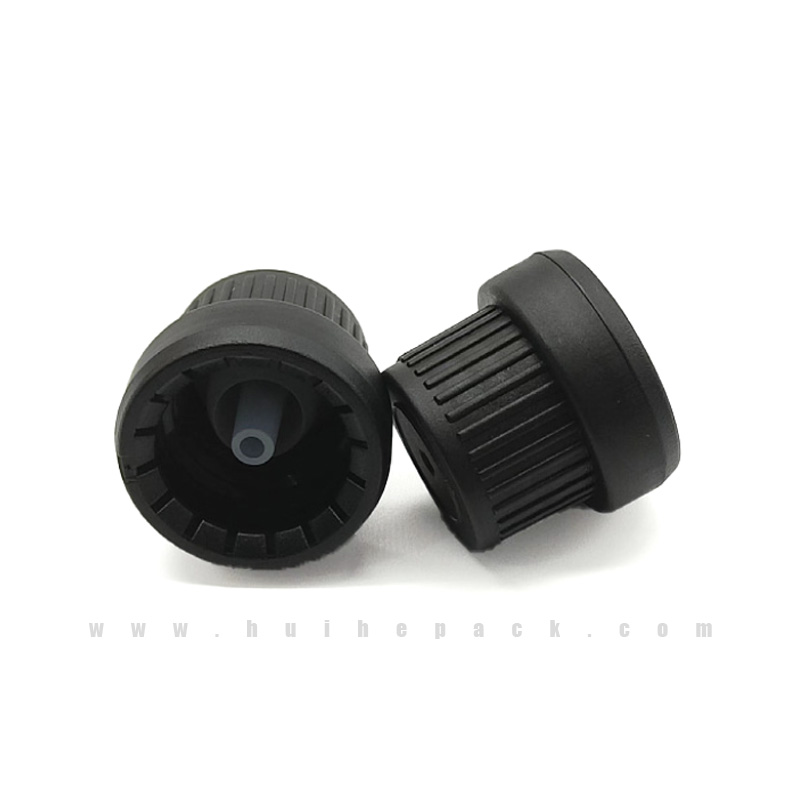
A CRC cap for glass jars is designed to work with a compatible jar neck finish. The closure and jar must be matched correctly for the intended packaging system.
A common push-and-turn CRC cap works in a simple sequence:
- Push down on the cap.
- Turn the cap while maintaining pressure.
- Open the jar.
- Replace and secure the cap after use.
For a supplement brand, the goal is to balance child resistance with convenient adult access. If the closure is difficult for your customers to use, it may create a poor user experience.
This is why you should evaluate the complete package rather than choosing a CRC cap separately from the jar.
CRC Cap Compatibility Matters
Before ordering child-resistant supplement jars, confirm:
- Jar neck finish
- Cap size
- Closure design
- Liner compatibility
- Seal requirements
- Filling and capping equipment
- Product compatibility
A CRC cap should fit the jar correctly and maintain the intended performance during normal use.
Child-Resistant vs. Tamper-Evident Packaging
CRC and tamper-evident packaging solve different problems.
| Feature | Child-Resistant Packaging | Tamper-Evident Packaging |
| Main purpose | Reduce access by young children | Show evidence of opening |
| Typical solution | CRC cap | Induction seal or shrink band |
| Main concern | Child safety | Product integrity |
| Reusable | Yes, in many cases | Depends on the seal |
These features can also be used together.
For example, a supplement package may use:
Glass Jar + CRC Cap + Induction Seal
The CRC cap helps address child access, while the seal can provide visible evidence that the package has been opened.
Do not assume that a CRC cap is automatically tamper-evident. If you need both functions, specify both requirements when developing your packaging.
Choosing Child-Resistant Packaging for Different Supplements
Different supplement formats have different packaging needs. Your choice should consider not only the product type but also its moisture sensitivity, light sensitivity, fill volume, and dispensing method.
Vitamins and Mineral Supplements
Vitamins and minerals are commonly packaged in small or medium-sized bottles and jars.
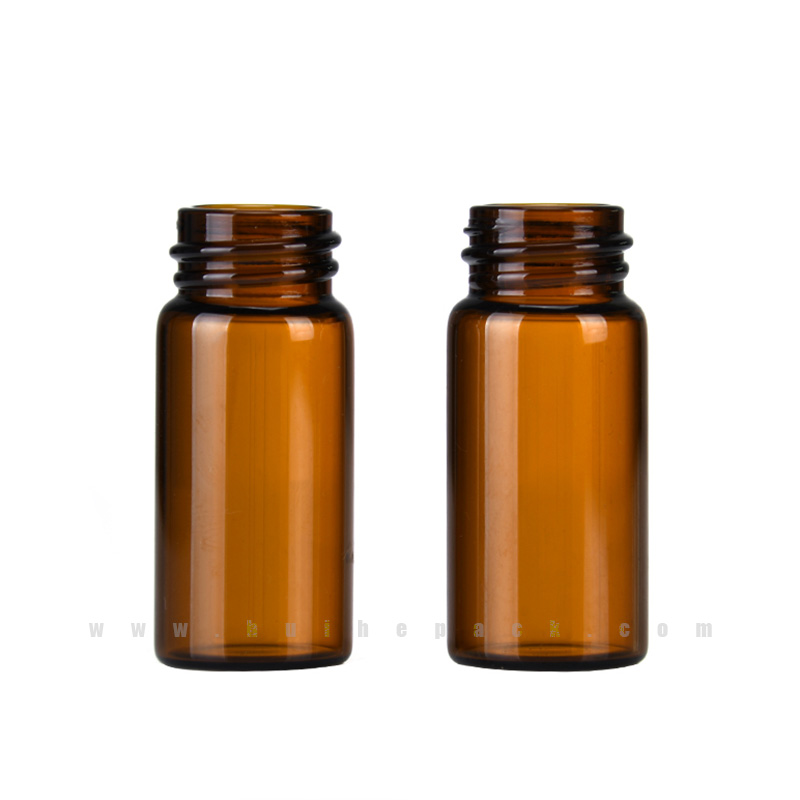
For light-sensitive formulations, you may consider amber glass supplement jars. A CRC closure can be added when child-resistant packaging is required or preferred.
Capsules and Softgels
Capsules and softgels are well suited to wide-mouth jars that allow easy filling and dispensing.
If you are sourcing capsule jars, pay close attention to the opening size. A wider opening can make automated filling easier and give consumers better access to the product.
CRC caps can then provide an added child-resistant feature when appropriate.
Tablets
Tablets are often packaged in compact supplement bottles or jars. The right container size depends on tablet dimensions, quantity, and bulk density.
For tablet packaging, you should also consider how easily the tablets can be removed without exposing the rest of the product to unnecessary moisture.
Gummy Supplements
Gummies need special attention because their appearance and taste can make them particularly attractive to children.
Your gummy supplement packaging should consider:
- Child-resistant access
- Moisture protection
- Product freshness
- Repeated opening and closing
- Sufficient headspace
- Easy adult dispensing
A wide-mouth glass jar with a suitable CRC closure can be an option for premium gummy products.
Powder Supplements
Powder supplements usually require larger containers and wider openings.
Examples include:
- Collagen powder
- Electrolyte powder
- Herbal powder
- Greens powder
- Nutrition powder
For powder supplement packaging, you should consider product density rather than relying only on the stated jar volume. Two powders with the same weight may require different container sizes.
A large-mouth glass jar can also make room for a scoop and simplify filling and dispensing.
Herbal Supplements
Herbal supplements often benefit from packaging that helps protect the product from light and environmental exposure.
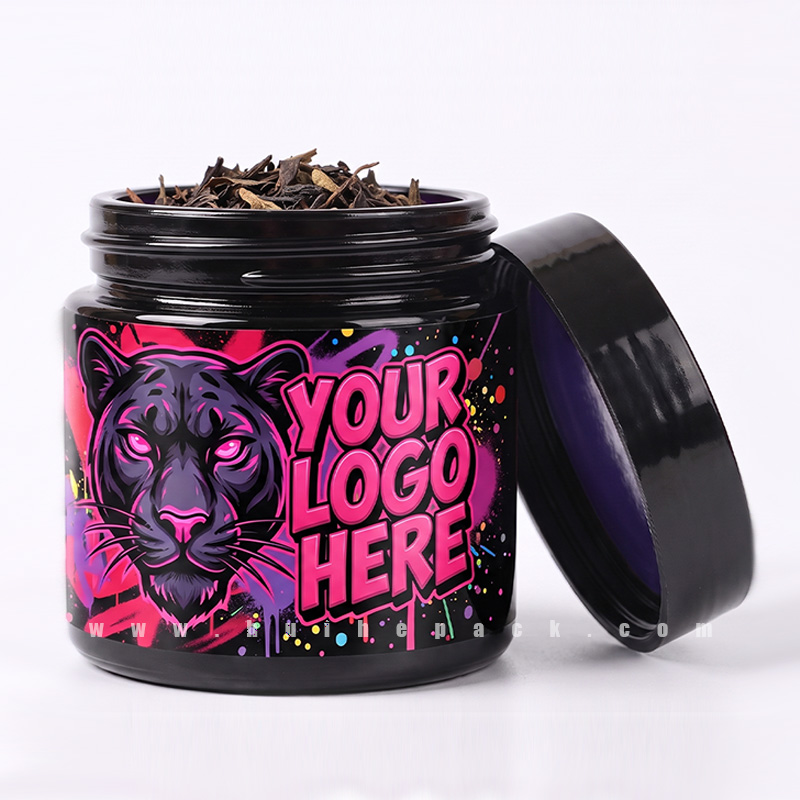
Amber glass jars are a common option for herbal products and botanical ingredients. Depending on the formulation, you may also need to consider moisture control and closure sealing.
Nutraceuticals
Nutraceutical products often sit between food, nutrition, and wellness categories, so packaging needs can vary widely.
For nutraceutical packaging, consider the full system:
Product → Glass Jar → CRC Cap → Liner/Seal → Label → Secondary Packaging
This approach gives you more control over product protection, safety, branding, and the customer experience.
How to Choose the Right Glass Jar for Supplements
The best supplement jar is not necessarily the largest or most attractive one. You should choose it based on how your product will be filled, stored, shipped, and used.
1. Match the Jar to the Product Form
Capsules and tablets normally work well with smaller jars.
Gummies may need a wider opening and additional headspace.
Powders usually require larger jars with enough room for filling and dispensing.
2. Calculate Fill Volume Carefully
Do not choose a jar based only on the net weight of the supplement.
Powders, capsules, gummies, and tablets have different densities and occupy different amounts of space. Your filling quantity should be tested in the actual container before mass production.
3. Choose the Right Glass Color
Use clear glass when product visibility and shelf appearance are priorities.
Consider amber glass or UV violet glass when your formulation is sensitive to light.
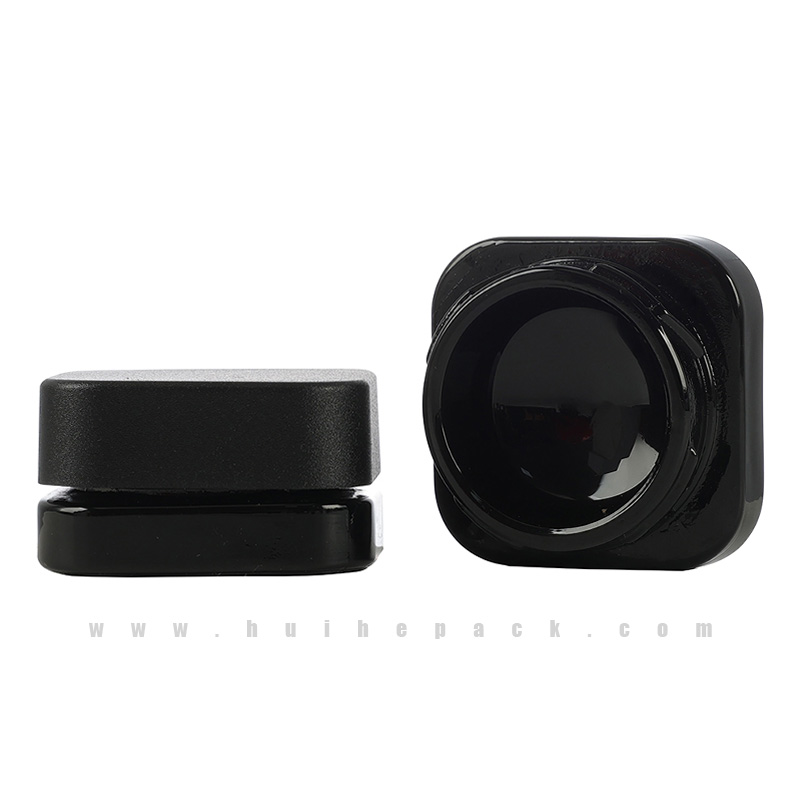
For a premium or distinctive visual identity, you can also explore other glass colors and custom decoration options.
4. Match the Neck Finish to the CRC Cap
The jar neck and closure need to be compatible.
When sourcing CRC caps for glass jars, provide your supplier with the required jar specifications and ask for compatibility confirmation before ordering in bulk.
5. Consider Your Filling Process
If your product is filled by machine, the jar design should work with your filling and capping equipment.
Jar dimensions, opening size, tolerance, and closure design can all affect production efficiency.
Build a Complete Child-Resistant Supplement Packaging System
A successful supplement package is more than a jar and a lid. You need to consider every component that comes into contact with the product or affects the user experience.
01. Glass Supplement Jar
Choose the right capacity, shape, opening, and glass color based on your product.
02. CRC Cap
Select a compatible child-resistant closure based on the jar neck finish and your market requirements.
03. Liner or Seal
Depending on your product, you may need a suitable liner or induction seal to improve sealing and product protection.
04. Label and Decoration
Your label needs to communicate product information clearly while maintaining a consistent brand appearance.
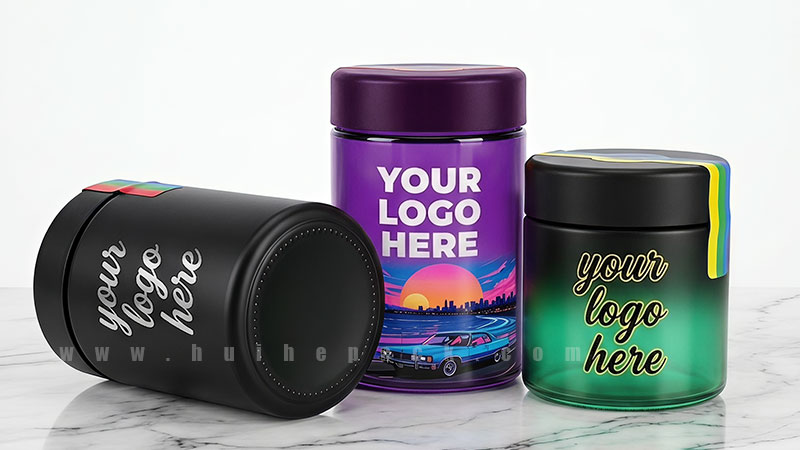
For premium supplement brands, options such as silk screening, coating, or other glass decoration can create a more distinctive package.
Supplement Packaging Options at a Glance
| Supplement | Recommended Jar Type | Glass Option | Closure | Main Consideration |
| Vitamins | Small/medium jar | Clear or amber | CRC | Light and child safety |
| Capsules | Wide-mouth jar | Clear or amber | CRC | Easy dispensing |
| Tablets | Compact supplement jar | Clear or amber | CRC | Product protection |
| Gummies | Wide-mouth jar | Clear or amber | CRC | Moisture and child access |
| Powders | Large-mouth jar | Clear or amber | CRC | Fill volume and moisture |
| Herbal supplements | Supplement jar | Amber | CRC | Light protection |
| Nutraceuticals | Custom jar | Clear, amber, or custom | CRC | Protection and branding |
The best configuration depends on your actual formulation and filling process. Use this table as a starting point rather than a fixed specification.
What to Check When Buying Child-Resistant Supplement Jars in Bulk
If you are purchasing supplement jars wholesale, confirm the packaging details before requesting a final quotation.
Ask your supplier about:
- Jar capacity
- Dimensions and weight
- Neck finish
- CRC cap compatibility
- Liner and seal options
- Glass color
- Decoration options
- Sample availability
- MOQ
- Production lead time
- Carton and pallet packing
- Quality control
- Shipping protection
It is also useful to test the complete package before placing a large order.
Ideally, evaluate:
Jar + CRC Cap + Liner/Seal + Your Actual Supplement
This gives you a much clearer idea of how the package will perform in real production and daily use.
Choose the Right CRC Supplement Packaging for Your Brand
There is no single packaging solution for every supplement.
Capsules and tablets may need compact, easy-dispensing jars. Gummies may need stronger attention to moisture and child access. Powders require larger openings and careful volume selection. Herbal supplements may benefit from amber glass, while premium nutraceutical brands may focus more on a combination of product protection and shelf appeal.
For B2B supplement packaging, the key is to match the glass jar, CRC cap, liner, seal, and filling process as one complete system.
If you are sourcing glass supplement jars, capsule jars, or CRC caps in bulk, start with your product format, fill quantity, target market, and packaging requirements. From there, you can select the right jar capacity, glass color, neck finish, and closure configuration for your product.