
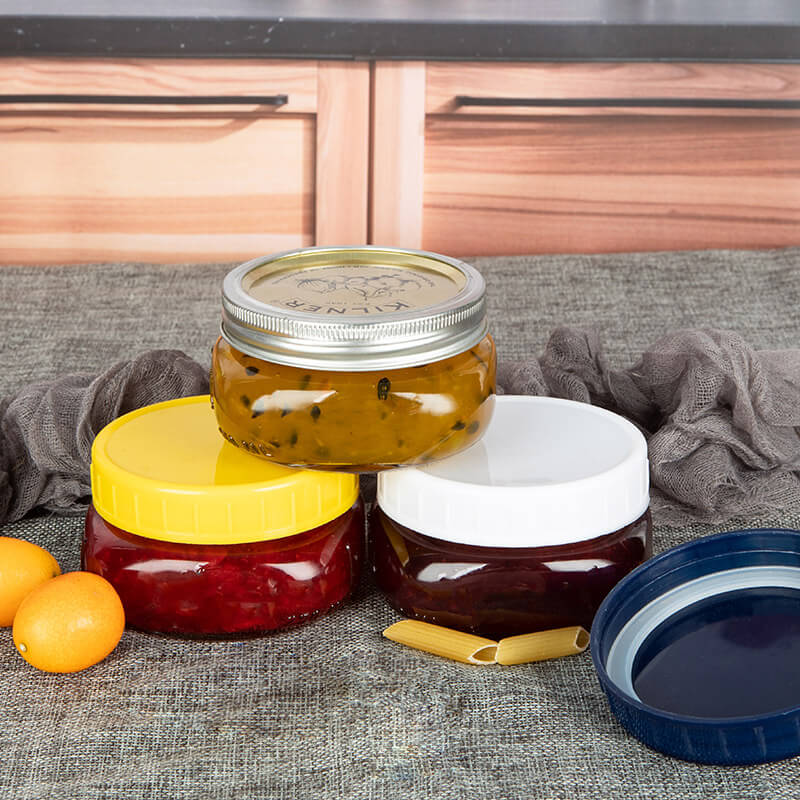
A jar and a lid can both be called “63 mm” and still fail to seal together. The number is a starting point, not a complete specification. For a food brand, the wrong closure can slow your filling line, leak in transit, or fail the seal checks needed for your product.
If you are sourcing glass food jars in bulk, work from the jar’s neck finish drawing and a matched lid sample. This guide explains what mouth-size numbers mean, how lug and continuous-thread finishes differ, and what to test before you approve a production order.
What does a glass jar mouth size mean?
A listed mouth size usually refers to the nominal diameter of the jar’s finish, the formed glass area that receives the lid. It is not the capacity of the jar, the clear opening you can fill through, or a promise that every lid with the same number will fit. A 500 ml jar, for example, may be offered with different mouth and closure options.
Packaging drawings describe several dimensions. The T dimension is the outside diameter across the threads or lugs. The E dimension measures the outside diameter below them; the I dimension is the minimum inside opening. Finish height, thread or lug shape, and the sealing surface also matter. Suppliers may use different finish codes, so ask for the actual drawing rather than interpreting a product name alone.
A lid’s nominal size describes the finish it is designed to fit. Measuring a lid’s inner diameter or a jar with calipers is useful for screening samples, but it does not replace the full finish specification. If the jar is labeled “70 mm,” confirm its complete finish code and closure family before ordering lids.
First identify the closure family: lug or continuous thread
A lug finish, often called twist-off or TO, has short, interrupted glass threads. A matching metal lid engages those lugs with a short turn. Lug caps are common on commercial jam, honey, sauce, and preserve jars. Depending on the lid compound and validated process, they can be used in hot-fill or other commercial food applications.
A continuous-thread (CT) finish has a thread that travels around the neck. A matching screw cap may be metal or plastic and can be paired with a liner or dispensing insert suited to the product. CT packaging is useful for many dry foods and products where repeated opening matters. Some CT systems are also designed for processed foods, but suitability depends on the precise lid, liner, jar, and process.
A 70 mm lug lid is not interchangeable with a 70 mm CT cap. The nominal diameter may match while the engagement and sealing geometry do not. Even within one family, finish codes and lid specifications can vary. Request the jar and closure as a tested pair. For a closer look at available options, see HUIHE PACK’s food jar accessories.
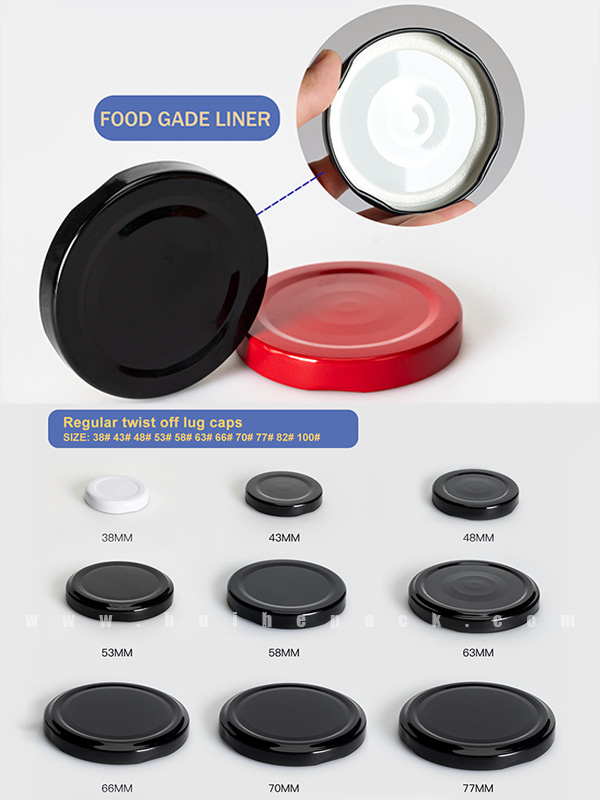
Common mouth sizes and where to start
The following sizes are examples seen in commercial food packaging, not a universal fit chart. Availability depends on the jar design and finish code.
| Nominal finish | Typical shortlist use | What to verify |
|---|---|---|
| 43–53 mm | Small jam, honey, spice, or sample jars | Filling nozzle, spoon access, exact lug or CT code |
| 58–63 mm | Smaller spreads, condiments, and specialty foods | Product flow, liner, label and capping setup |
| 70 mm | Many medium food jars and preserve formats | Lug versus CT, finish profile, vacuum or seal test |
| 82 mm and above | Wide-mouth jars for chunky foods, pickles, and larger packs | Lid handling, clean rim, case packing and opening force |
Do not use these ranges as an automatic product-to-lid conversion. A thick chutney may need a wider opening than a pourable sauce at the same net fill weight. Whole fruit or pickles need room for the pieces and the filling equipment. A small spice jar may need a shaker fitment with a compatible CT cap. The right mouth size starts with the product and the line, not a popular lid number.
For chunky foods, compare wide-mouth glass jars in bulk with the handling trade-offs in our wide-mouth versus narrow-mouth jar guide. If you are still choosing the container shape, browse the food jar range alongside its closure options.
How to measure a jar when the specification is missing
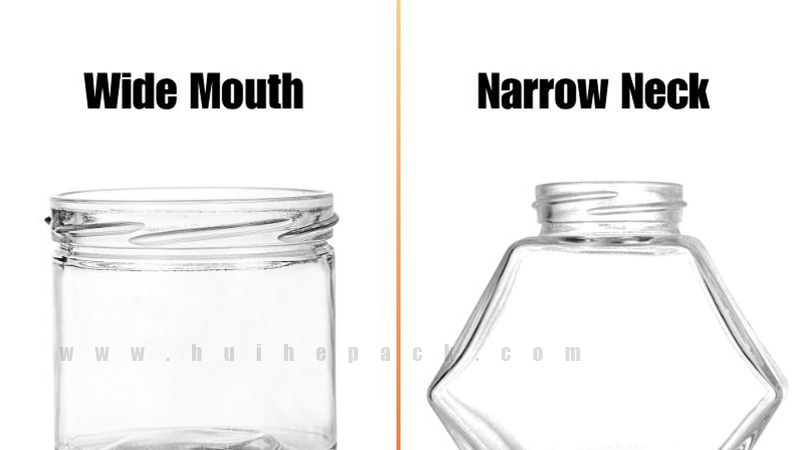
Start with the supplier’s drawing whenever possible. If you only have a sample, use calipers to measure the widest outside point across the glass threads or lugs. Measure the inside opening separately; this tells you about filling and access, not the lid’s complete fit. Record the finish height and count or inspect the lugs if present. Photograph the neck from above and from the side.
Next identify whether the thread is interrupted (lug) or continuous (CT). Measure the lid across its inside diameter and inspect its engagement features and liner. These observations narrow your search, but close measurements do not prove interchangeability. Fillmore Container recommends identifying both size and closure type when matching jars and lids.
Send your supplier the sample or photos, measured dimensions, jar capacity, intended food, fill temperature, and current cap details. Ask for a drawing and sample lids from the same specified finish. This is especially important if you are replacing a lid from another manufacturer or switching jar suppliers.
Match the seal to your food and process
Fit is only the first test. The lid liner or sealing compound must suit your product and processing conditions. Acidic sauces, oily foods, dry spices, and hot-filled spreads do not all place the same demands on a closure. Ask the closure supplier about food-contact suitability, processing temperature, application torque, and storage conditions for the exact combination.
For a shelf-stable product, your process authority or food safety team should approve the food, jar, lid, fill conditions, and seal criteria together. Run filling and capping trials at production speed. Check rim cleanliness, lid application, vacuum where relevant, leaks, opening effort, and seal integrity after transport and storage. Glass color and a “pop” on opening are not substitutes for a validated process.
Honey brands should also consider the product’s viscosity and whether a dipper or dispensing insert is part of the pack. Our honey jar closures guide covers those choices. For jam or preserves, the glass jam packaging solutions page helps you compare jar formats before testing the closure.
A practical buying checklist
Before approving a bulk order, ask for the following from the jar and lid suppliers:
- The jar drawing with complete neck finish code and tolerances.
- The matching lid specification, including finish, material, liner, and application requirements.
- Samples of the actual jar and lid for your filling and capping trial.
- Evidence relevant to your food-contact market and intended process.
- Agreed acceptance checks for leaks, seal integrity, opening force, and shipping damage.
Keep a signed-off sample and drawing with your purchase specification. If you later change a lid supplier, liner, finish, or filling process, repeat the compatibility tests. A shared “63 mm” description is not enough to approve the change.
The takeaway
Choose a glass jar mouth size for the way your product is filled and used, then match the complete neck finish to the right closure and liner. That order reduces avoidable trials and helps your team compare samples on real performance.
Send HUIHE PACK your target capacity, product type, process, and lid preference, and we can help shortlist glass food jars and matching accessories for testing.