
Forgetting a corkscrew happens more often than you expect. You’re traveling, camping outdoors, or hosting a last-minute dinner, and the wine is ready — but the opener is missing. In moments like these, opening a wine bottle without a corkscrew can feel frustrating, or even impossible.
The good news is that you still have options. There are several practical ways to open a wine bottle without a corkscrew, using simple items you may already have around you. In this guide, you’ll learn safe, proven methods that actually work, along with tips to avoid breaking the bottle or ruining the wine.
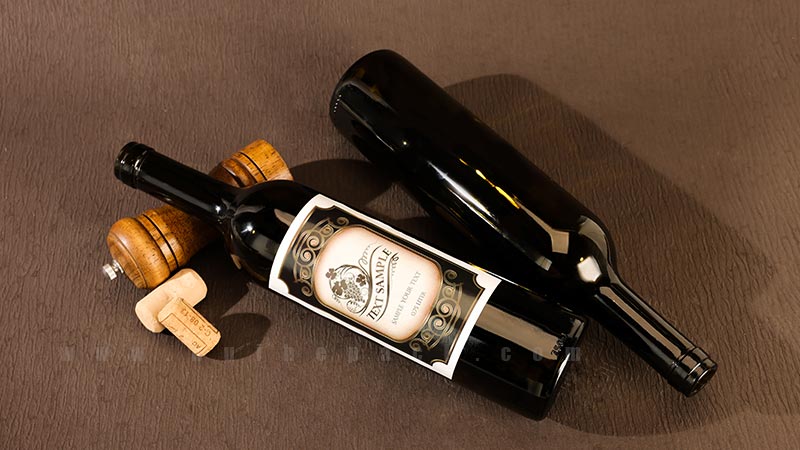
7 Ways to Open a Wine Bottle Without a Corkscrew
Below are practical methods you can use to open a wine bottle without a corkscrew. Always work slowly and apply steady pressure. Rushing increases the risk of broken glass or spilled wine.
1. Using a Shoe (The Classic Trick)
How it works:
This method relies on air pressure inside the bottle combined with gentle, repeated impact. The pressure slowly pushes the cork outward.
Steps:
- Place the bottom of the wine bottle inside a sturdy shoe.
- Hold the bottle horizontally, with the cork facing out.
- Tap the shoe against a solid wall with slow, even movements.
- Stop once the cork begins to move out, then pull it by hand.
Success rate & risks:
This method works best with standard wine bottles and natural corks. However, hitting too hard can crack the glass, so patience is key.
2. Using a Key or Screw
Angle and technique:
Insert the key or screw into the cork at about a 45-degree angle. This gives you better grip and control.
Twisting method:
Once inserted, slowly twist and pull upward at the same time. Keep the motion smooth to avoid breaking the cork.
Best for:
This works well with soft or synthetic corks. Dry or crumbly corks may break during pulling.
3. Using a Knife (Carefully)
Why “carefully” matters:
Knives can slip easily. Always keep your hand away from the blade and avoid sudden force.
How to do it:
Push the knife gently into the cork at an angle, then twist the cork upward little by little.
Not suitable for:
Avoid this method on bottles with spiral or threaded neck finishes, as the blade may lose grip and slip.
4. Push the Cork In
When it works:
Pushing the cork into the bottle is often the safest option for young wines. These wines are meant to be consumed soon, and a submerged cork will not affect the taste much.
When to avoid it:
Do not use this method for aged wines. Older corks can break apart and may alter the flavor of the wine.
5. Using a Lighter or Hot Water
The principle:
Heat causes the air in the bottle neck to expand, which can slowly push the cork upward.
How to apply heat:
Use warm water or a lighter to heat the neck of the bottle — never the glass body.
Important warning:
This method carries real risk. Too much heat can shatter the bottle or burn your hand. Use extreme caution or avoid it entirely if the glass feels thin.
6. Using a Towel and Gentle Tapping
How it differs from the shoe method:
Instead of impact, this method uses controlled tapping with added cushioning.
Steps:
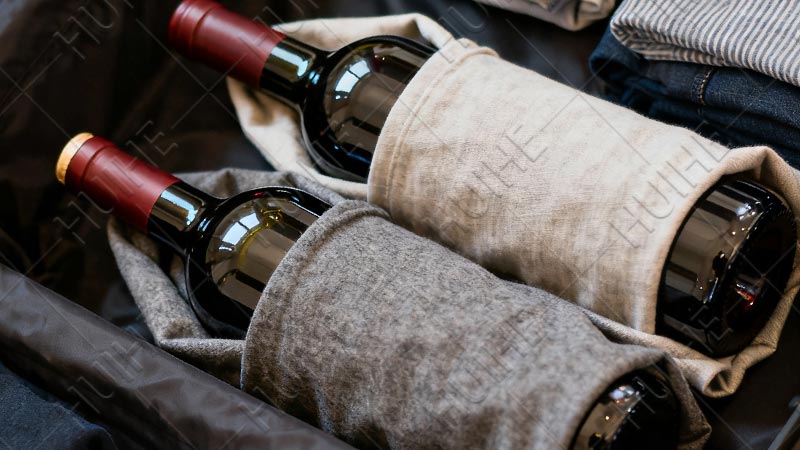
Wrap the bottle base in a thick towel and gently tap it against a firm surface. The padding helps spread the force evenly.
Why it works:
Bottles with stronger, thicker bases tend to handle this method better, which hints at how bottle structure affects opening methods.
7. When None of These Work
Sometimes the safest choice is to stop. If the cork does not move, forcing it further may break the bottle or cause injury. Old corks, thin glass, or high pressure inside the bottle are signs to step back. Protecting yourself and the wine is always better than risking broken glass.

Why Some Wine Bottles Are Easier to Open Than Others
Not all wine bottles behave the same when you try to open them without a corkscrew. The design of the bottle plays a bigger role than most people realize.
- Neck size is one key factor. Bottles with a wider or more consistent neck allow the cork to move more smoothly when pressure is applied. Narrow or uneven necks create more resistance, making it harder to push or pull the cork out.
- Glass thickness also matters. Thicker glass can handle gentle pressure and tapping better, while thin bottles are more likely to crack if force is uneven. This is especially important when using methods like the shoe or towel technique.
- Inner wall friction affects how easily the cork slides. Rougher inner surfaces increase resistance, which means more effort is needed to move the cork. Smoother inner walls allow for steadier movement with less force.
- Finally, base stability plays a role. Bottles with stronger, well-balanced bases distribute pressure more evenly. This added stability reduces stress on the glass and lowers the risk of breakage during opening.
Best Practices to Avoid This Situation
The easiest way to open a wine bottle without stress is to avoid the problem in the first place. A few simple habits can save you time and reduce risk.
Carrying a portable corkscrew is the most reliable solution. Compact openers fit easily into a bag, backpack, or suitcase, making them ideal for travel, outdoor events, or casual gatherings.
For frequent travelers, a small wine travel kit is worth considering. These kits often include a corkscrew, foil cutter, and stopper, giving you everything you need without taking up much space.
You can also choose easy-open wine packaging when possible. Wines sealed with screw caps remove the need for tools entirely. Screw cap bottles are common for everyday wines and offer consistent opening with no risk of cork damage.

Final Thoughts
Opening a wine bottle without a corkscrew is possible, but it should always be done with care. Simple methods like using a shoe, a key, or gently pushing the cork in can work in the right situation, while aggressive techniques increase the risk of broken glass and injury. Bottle design also plays an important role, as factors like neck size, glass thickness, and base stability affect how easily a cork moves. In the end, these methods are best used as temporary solutions. Carrying a small opener or choosing easy-open wine bottles is still the safest and most reliable option.

FAQ
1. What is the safest way to open a wine bottle without a corkscrew?
The safest methods are pushing the cork into the bottle or using a key or screw with slow, steady pressure. These techniques reduce the risk of broken glass compared to striking or heating the bottle.
2. Can opening a wine bottle without a corkscrew ruin the wine?
It can, depending on the method. Aggressive force may cause cork fragments to fall into the wine or introduce too much air. For young wines, the impact is usually minimal, but older wines are more sensitive.
3. Why does the shoe method work for opening wine bottles?
The shoe method works by combining air pressure inside the bottle with gentle vibration. Over time, this pressure pushes the cork outward without direct pulling.
4. Is it safe to use heat to open a wine bottle?
Using heat can be risky. While warm water or a lighter can expand the air in the bottle neck, too much heat may crack the glass or cause burns. This method should be used with extreme caution.
5. Do all wine bottles have the same strength and durability?
No. Wine bottles vary in glass thickness, neck design, and base structure. These differences affect how much pressure a bottle can safely handle during opening or transport.
6. Does bottle design affect how easy it is to remove a cork?
Yes. Factors such as neck diameter, inner wall smoothness, and overall balance influence how easily a cork moves. Well-designed bottles allow for more controlled cork movement.
7. What should buyers look for when choosing a glass wine bottle supplier?
Buyers should consider glass quality, consistency in bottle dimensions, compliance with food-grade standards, and the supplier’s ability to support stable long-term supply.
8. Can glass packaging be customized for different wine closures?
Yes. Many glass packaging suppliers offer bottles designed for natural corks, synthetic corks, or screw caps. Neck finish and tolerance control are key to closure compatibility.
9. Are screw cap wine bottles more practical for everyday use?
Screw cap bottles are easy to open, reduce the risk of cork-related issues, and are widely used for everyday and travel-friendly wines. They are a practical choice for many brands and consumers.