
Shipping glass sauce bottles internationally requires more than strong cartons. During a long journey, your bottles may face repeated handling, vibration, stacking pressure, and changes in transport conditions. Without proper packaging, even a small impact can lead to cracked bottles, damaged cartons, and costly product losses.
For food brands, importers, and packaging distributors, reducing glass bottle breakage during shipping helps protect your products, control costs, and keep deliveries on schedule.
The good news is that you can lower the risk with the right combination of inner packaging, shipping cartons, palletizing, and transport testing. Here are six practical ways to protect your glass sauce bottles during international shipping.
Understand Why Glass Sauce Bottles Break During Shipping
Before choosing export packaging, you need to understand what can cause damage.
Impact during handling: Bottles may be dropped or knocked against hard surfaces during loading, unloading, and warehouse handling.
Bottle-to-bottle contact: If bottles move inside the carton, they can hit one another. Repeated contact may cause chips, scratches, or breakage.
Stacking pressure: Cartons at the bottom of a pallet may be crushed if the boxes above are too heavy or the packaging cannot support the load.
Vibration during transit: Trucks, ships, and other transport vehicles create movement throughout the journey. Poorly secured bottles may shift inside their cartons.
Packaging or product defects: Weak carton construction, unsuitable bottle designs, or existing glass defects can also contribute to breakage.
These problems often occur together. A strong carton cannot fully protect your bottles if they move freely inside it. Likewise, good inner packaging may not be enough if the cartons collapse under stacking pressure.
Use the Right Inner Packaging for Glass Bottles
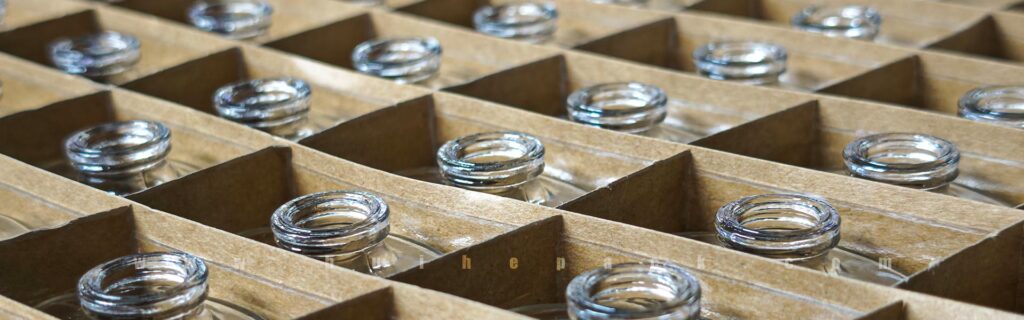
Inner packaging helps keep each bottle in place and reduces direct contact between glass surfaces. It is one of the most important parts of export packaging for glass sauce bottles.
Common options include:
Corrugated cardboard dividers: These separate individual bottles and help prevent them from hitting one another. They are a practical choice for many bulk glass bottle shipments.
Molded pulp trays: These trays hold bottles in shaped compartments and can provide useful cushioning when properly designed for the bottle shape.
Foam inserts: Foam can absorb certain impacts and hold bottles securely, although cost, material requirements, and disposal should be considered.
Protective wrapping: Suitable wrapping can help protect bottle surfaces, but it should not replace proper separation and cushioning.
The best option depends on your bottle size, weight, shape, surface finish, and shipping conditions.
For example, tall, narrow-neck glass sauce bottles may need support that prevents them from leaning or moving inside the carton. Bottles with unusual shapes may require custom dividers or fitted trays.
Tip: Check whether each bottle stays securely in place when the packed carton is handled. Too much empty space can allow movement, while an overly tight fit may create unwanted pressure on the glass.
Choose Strong Shipping Cartons
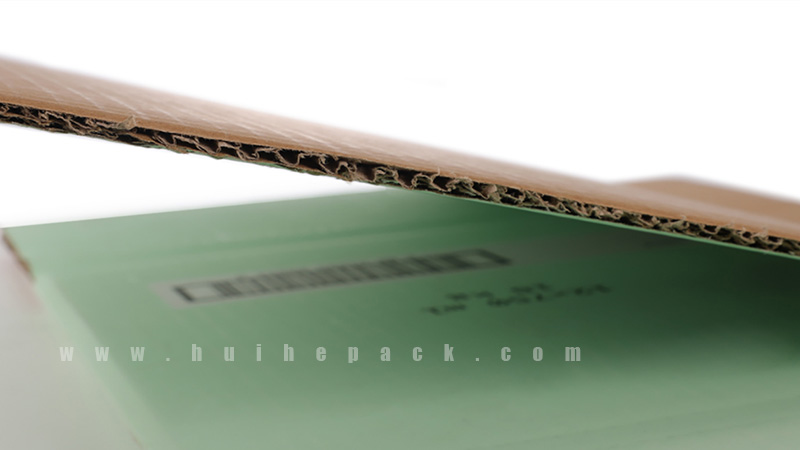
Your shipping carton must protect the bottles while supporting the weight of the packed products and any cartons stacked above them.
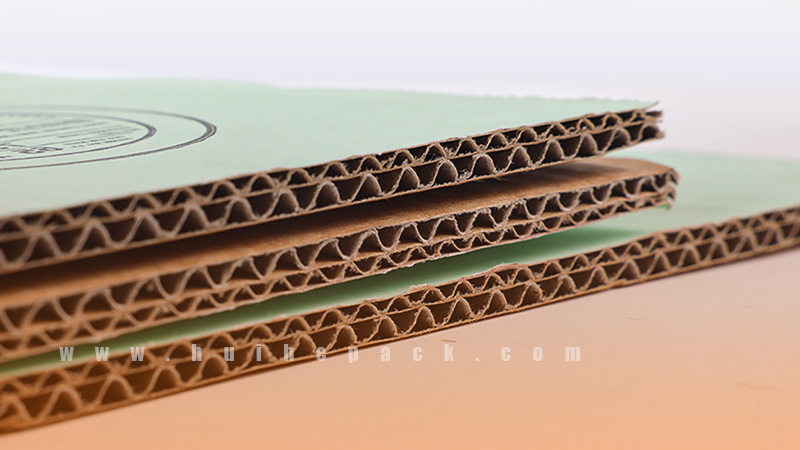
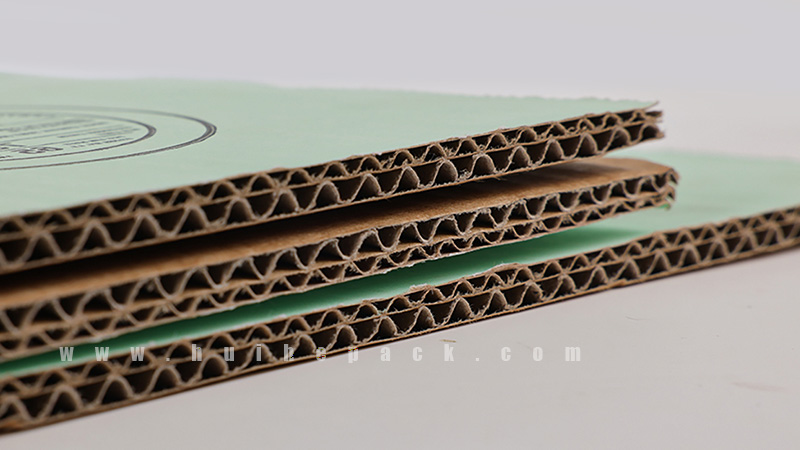
Corrugated cartons are widely used for international glass bottle shipments. Depending on the bottle weight, carton dimensions, and transport conditions, you may need a stronger board construction or a double-wall carton.
When choosing export cartons for glass sauce bottles, consider three factors.
Carton strength: The carton should withstand the expected stacking load. Edge Crush Test (ECT) ratings and box compression testing can help you assess its performance.
Moisture resistance: Humidity during storage and transport can weaken some corrugated packaging. Consider the expected environment when selecting carton materials.
Carton size: A carton should fit the bottles and dividers properly. Excess space can allow movement, while an unsuitable layout may make the packaging difficult to assemble or increase pressure on certain bottles.
Avoid choosing a carton based on thickness alone. The complete packaging design, including the dividers, bottle arrangement, and total load, determines how well the package performs.
Improve Palletizing and Container Loading
Even well-packed glass bottles can be damaged if the cartons are poorly stacked or secured.
Proper palletizing helps keep cartons stable during forklift handling and transport. It also helps distribute weight more evenly across the load.
Follow these practical guidelines:
- Use pallets that are suitable for the total load and in good condition.
- Arrange cartons evenly and avoid placing them beyond the pallet edges.
- Keep the stack stable and follow the carton’s recommended stacking orientation.
- Use stretch wrap and suitable corner protectors when needed to help stabilize the load.
- Secure the cargo appropriately inside the shipping container to limit shifting during transit.
Avoid stacking heavy cartons on top of lighter cartons that cannot support the load. You should also check whether the bottom cartons can withstand the expected compression pressure.
For international sea freight, container loading deserves particular attention. Cartons should be arranged to reduce movement, and suitable cargo-securing methods should be used for the shipment.
The goal is not simply to fit more cartons into a container. You need to balance loading efficiency with product protection and cargo stability.
Test Your Packaging Before Bulk Shipment
Before placing a large order or shipping a full container, test your packaging under conditions that reflect your intended transport route.
Packaging tests can help identify weak points before they lead to costly damage.
Consider the following checks:
Drop testing: Evaluates how the package responds to selected drops and handling impacts.
Vibration testing: Helps assess whether bottles shift, collide, or become damaged during simulated transport movement.
Compression testing: Checks whether cartons can withstand the expected stacking pressure.
Packing inspection: Confirms that bottles, dividers, cartons, and closures are correctly assembled.
Whenever possible, test the final packaging configuration with the actual bottle model, carton, divider, and packing quantity. Changing any of these elements may affect the result.
You should also inspect the bottles after testing for cracks, chips, scratches, carton deformation, and movement inside the package.
No single test can reproduce every international shipping condition. Select appropriate tests based on your route, handling requirements, and shipment risks.
Work with a Reliable Glass Bottle Supplier
Your packaging supplier can play an important role in reducing glass bottle breakage during international shipping.
When sourcing wholesale glass sauce bottles, ask your supplier about the available export packaging options and how they match your bottle specifications.
Before confirming a bulk order, discuss:
- Bottle dimensions, weight, and carton packing quantity
- Suitable dividers and protective inserts
- Carton specifications and pallet arrangements
- Sample packaging inspections and transport testing
- Packing instructions and shipment documentation
Clear communication is especially important when you are importing glass bottles for the first time. Confirm the packaging requirements before production and agree on how the goods should be packed and inspected before dispatch.
At HUIHE PACK, we understand that B2B buyers need glass packaging that works for both their products and their supply chains. When selecting glass sauce bottles, consider the bottle design and export packaging together rather than treating them as separate decisions.
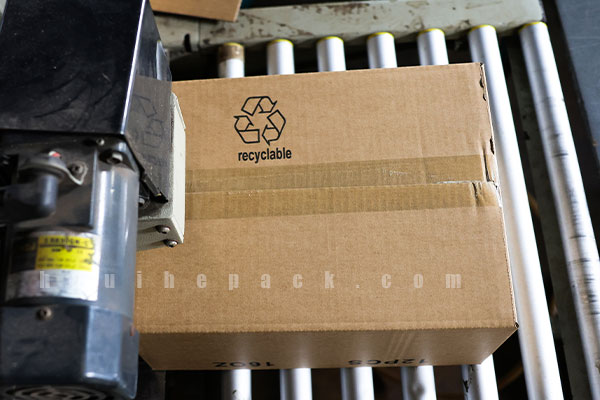
Final Checklist: Before Shipping Glass Sauce Bottles
Before your next international shipment, make sure you have checked the following:
- Each bottle is properly separated and supported.
- The inner packaging fits the bottle design.
- The cartons can withstand the expected stacking load.
- Pallets are stable and suitable for the shipment weight.
- Cargo is secured against movement during transport.
- The final packaging has been inspected and tested as needed.
Reducing glass sauce bottle breakage starts with a well-planned packaging system. By combining suitable inner protection, strong cartons, stable palletizing, and practical testing, you can lower the risk of damage and make international shipping more reliable.
Looking for wholesale glass sauce bottles for your next order? Contact HUIHE PACK to discuss your bottle requirements and explore suitable packaging options for your shipment.