Packaging plays a bigger role in perfume sales than many brands expect. For many buyers, the bottle is the first reason they stop, click, or pick up a fragrance. In fact, perfume packaging trends increasingly shape purchase decisions before the scent is even tested.
On crowded retail shelves and fast-scrolling DTC websites, you only have seconds to make an impression. A strong glass perfume bottle design helps your brand stand out, communicate quality, and feel worth the price. Clean shapes, balanced weight, and refined finishes instantly signal whether a fragrance belongs in the premium category.
Sustainability now matters just as much as aesthetics. More consumers associate eco-friendly packaging with brand trust and long-term value. Using recyclable, refillable, or reduced-material packaging is no longer a bonus—it’s an expectation.
Despite new materials entering the market, glass remains irreplaceable for high-end perfumes. It preserves fragrance integrity, elevates brand perception, and supports both luxury and sustainable positioning. For 2026, glass perfume bottle design continues to define what premium really means.
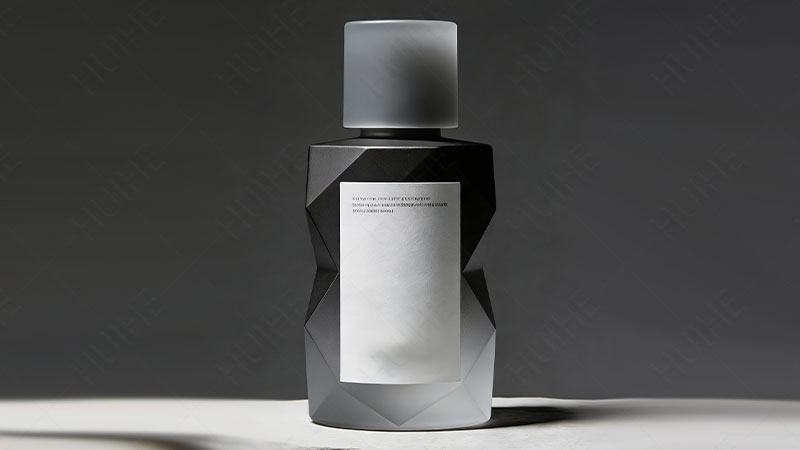
Top Perfume Bottle Trends for 2026
Trend 1: Minimalist Shapes with Heavy Glass Bases
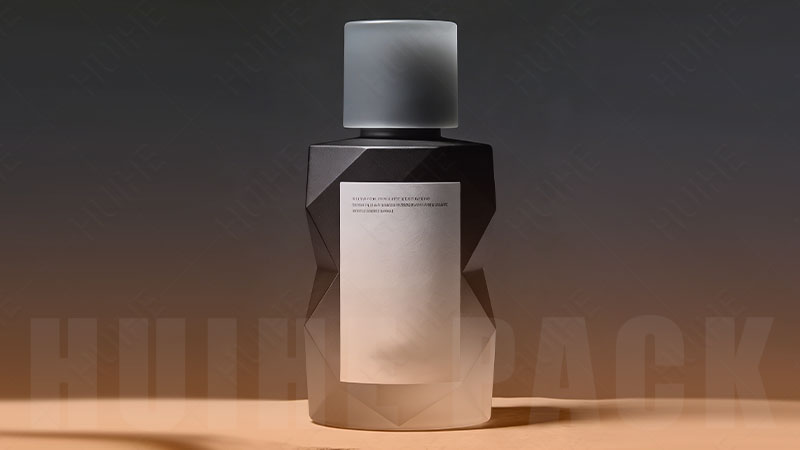
Minimalism continues to lead perfume bottle trends in 2026, but with a stronger focus on material quality. Brands are moving toward clean, geometric shapes—such as cylinders, squares, and soft-edged rectangles—that feel timeless rather than trendy. These simple forms work well across different fragrance lines and make it easier for you to refresh branding without changing the bottle structure.
What truly defines this trend is the heavy glass base. A thicker base adds visible weight and balance, instantly creating a luxury feel when customers hold the bottle. For many buyers, weight equals value. A solid glass perfume bottle design communicates craftsmanship, durability, and premium positioning without saying a word.
Brands also favor this style because it performs well in the niche and high-end market. Heavy glass enhances shelf presence, photographs beautifully for DTC channels, and pairs naturally with minimalist labels and subtle decoration. It’s a design that feels confident, modern, and worth the investment.
| Feature | Why It Matters for Brands |
| Thick base | Creates a premium perception |
| Simple shape | Makes branding cleaner and easier |
| Heavy glass | Ideal for niche and luxury perfumes |
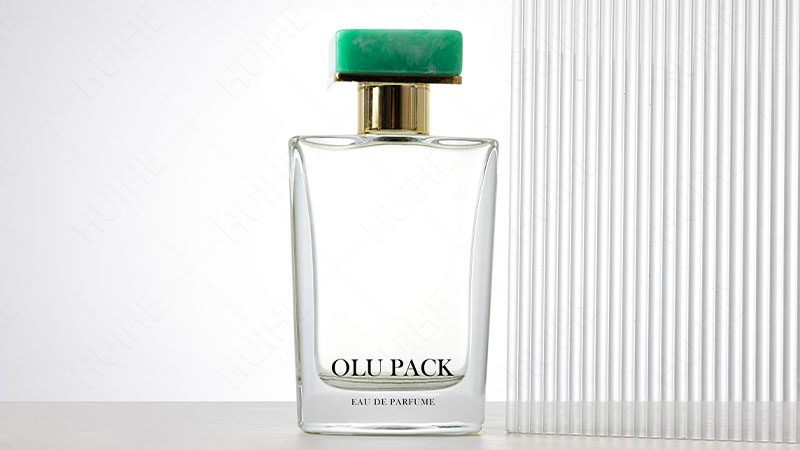
Trend 2: Sustainable & Refillable Glass Perfume Bottles
Sustainability is no longer a niche idea—it is one of the core perfume bottle trends for 2026. More brands are choosing eco-friendly packaging not just to meet regulations, but to build trust with modern consumers. When you use sustainable perfume packaging, you send a clear message about responsibility and long-term value.
Refillable glass perfume bottles are gaining strong momentum. Instead of disposable designs, brands now favor bottles that can be reused with replaceable inner containers or refill systems. This approach reduces waste while keeping the outer glass perfume bottle design premium and durable. For customers, refills feel practical and ethical. For brands, they encourage repeat purchases and loyalty.
Glass remains the preferred material for sustainable perfume bottles. It is fully recyclable, chemically stable, and suitable for long-term use. Compared to mixed materials, glass packaging supports both luxury positioning and environmental goals. In 2026, refillable and recyclable glass perfume bottles are becoming a smart balance between sustainability, aesthetics, and brand value.
Trend 3: Custom Colors & Frosted Glass Finishes
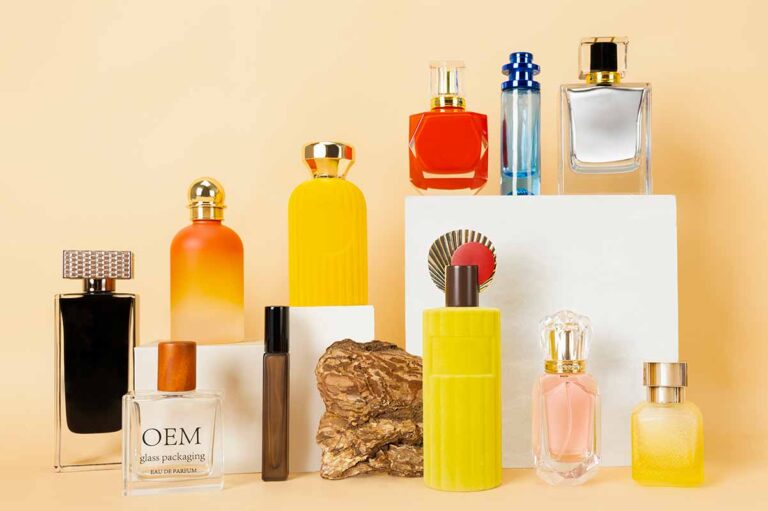
Custom finishes are becoming a key part of perfume packaging trends in 2026. More brands want bottles that feel unique at first glance, and color is one of the fastest ways to achieve that. Instead of clear glass only, you now see more custom-colored and frosted glass perfume bottle designs across both niche and premium brands.
Soft, muted tones—such as smoky gray, warm amber, pale green, and matte white—are especially popular. These colors photograph well, feel modern, and align with minimalist branding. Frosted and semi-transparent finishes also add depth and texture, helping your bottle stand out without relying on complex decoration.
From a brand perspective, custom colors and frosted glass offer flexibility. You can differentiate product lines, create seasonal editions, or strengthen brand identity while keeping the same bottle shape. For many brands in 2026, color and surface treatment are no longer optional—they are a standard part of a well-planned glass perfume bottle design.
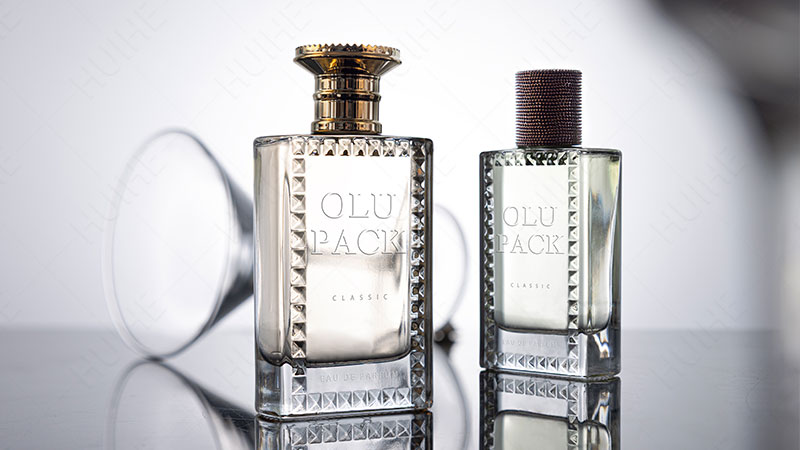
Trend 4: Vintage-Inspired Bottles with Modern Details
Vintage-inspired designs are making a strong comeback in perfume bottle trends for 2026, especially among niche perfume brands. Classic silhouettes—such as apothecary shapes, rounded shoulders, and short neck bottles—create an emotional connection and a sense of craftsmanship. These retro forms help your fragrance feel timeless, authentic, and story-driven.
What sets 2026 designs apart is the use of modern components. Brands pair vintage glass perfume bottle designs with advanced spray pumps, improved sealing systems, and leak-resistant closures. This ensures reliable performance while maintaining a handcrafted, old-world look. You get the best of both worlds: visual character and modern usability.
Niche and DTC perfume brands are especially drawn to this trend because it works well with smaller bottle sizes and flexible production. Sizes like 30ml, 50ml, and 75ml are popular for discovery sets, limited editions, and online-first launches. At the same time, the growing demand for low MOQ perfume bottles allows emerging brands to test the market without high upfront risk. For DTC brands in 2026, vintage-inspired glass perfume bottles offer both differentiation and practicality.
Trend 5: Small-Batch & Indie Brand-Friendly Bottle Sizes
Flexibility is a defining feature of perfume bottle trends in 2026. More indie and emerging brands are moving away from large, fixed-volume packaging and choosing perfume bottle sizes that support small launches and fast testing. This shift allows you to enter the market with less risk and more control.
Small batch perfume bottles, especially in 30ml and 50ml formats, are ideal for limited runs, online-first sales, and niche fragrances. These sizes reduce inventory pressure, lower upfront costs, and match the needs of DTC brands that value speed and adaptability. In 2026, choosing the right size is not just about volume—it’s about staying agile and competitive.
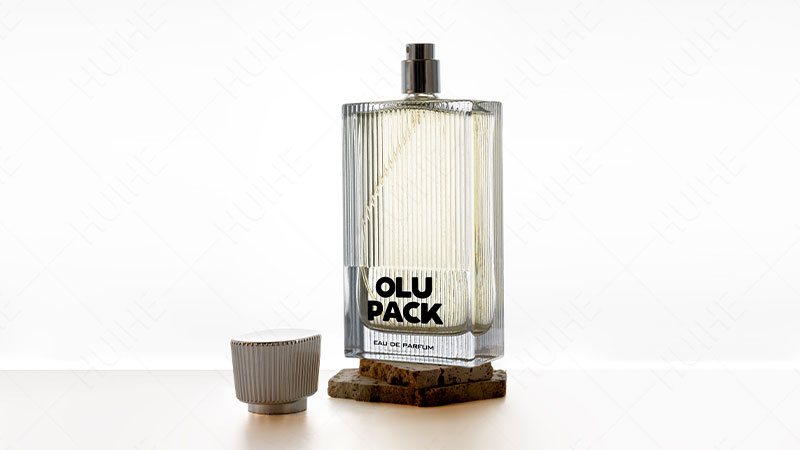
Popular Perfume Bottle Shapes & Sizes in 2026
Choosing the right bottle size is a key part of smart packaging decisions in 2026. Most brands focus on a small set of proven formats that work well across retail and DTC channels. These perfume bottle sizes are familiar to consumers, easy to position, and efficient to produce.
| Size | Common Use |
| 5–10ml | Samples, travel sprays, promotional kits |
| 30ml | Discovery sets, indie brands |
| 50ml | Core retail size |
| 100ml | Classic flagship products |
From a branding perspective, these sizes support flexible pricing and product line expansion. For many brands, combining multiple sizes within the same glass perfume bottle design helps reach different customer segments without increasing complexity.
How to Choose the Right Perfume Bottle Based on 2026 Trends
Following perfume bottle trends in 2026 is not just about appearance. The right choice depends on how well the bottle supports your brand and business goals.
Brand positioning
Your bottle should match your brand image. Minimalist glass perfume bottle designs work well for modern and premium brands, while vintage-inspired shapes fit niche and artisanal fragrances.
Target market
Think about where and how you sell. DTC brands often prefer smaller, lightweight perfume bottle sizes, while retail-focused brands may choose heavier bottles for shelf impact.
Budget & MOQ
Trendy designs should still be practical. Choosing standard molds, flexible sizes, and small batch perfume bottles helps control costs and reduces risk, especially for new launches.
Sustainability goals
If sustainability is part of your brand story, consider recyclable or refillable glass perfume bottles. These choices build trust and align with long-term market expectations.
Making balanced decisions helps you turn trends into real, scalable packaging solutions.
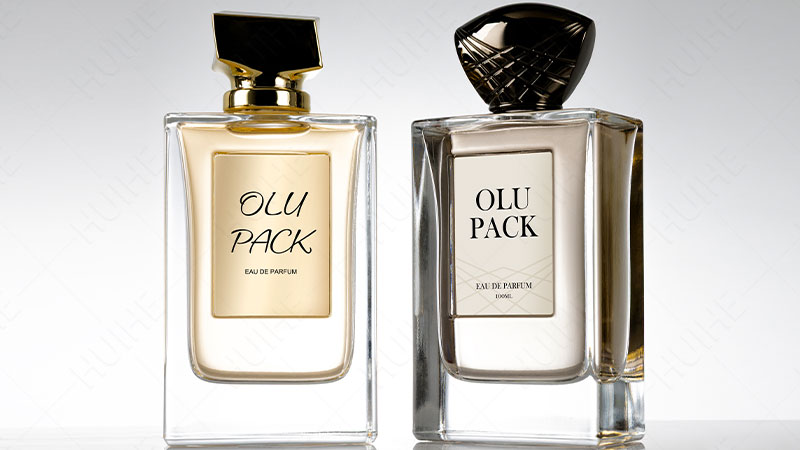
Common Mistakes Brands Make When Following Perfume Bottle Trends
While trends offer inspiration, following them blindly can create problems. One common mistake is choosing over-designed bottles that look impressive but are difficult or expensive to mass-produce.
Another issue is ignoring compatibility with pumps and caps. A beautiful glass perfume bottle design can fail if it does not work well with standard spray systems or sealing components.
Finally, some brands choose trendy shapes without supplying support. If a bottle requires special molds or unstable production, it can limit scalability and delay launches. In 2026, successful brands follow trends with a clear focus on feasibility and long-term supply reliability.
Future Outlook: What Will Shape Perfume Bottles Beyond 2026?
Looking ahead, perfume bottle trends will continue to evolve beyond aesthetics. One emerging direction is smart packaging, such as QR codes or connected labels that link your bottle to digital content, brand stories, or authenticity verification. These features are still limited but are gaining attention in premium and niche markets.
At the same time, stricter environmental standards will shape future glass perfume bottle design. Brands will face higher expectations around recyclability, material reduction, and refill systems. Choosing compliant, future-ready packaging now can help you avoid redesigns later.
Another key direction is modular design. Bottles that share the same base shape but use interchangeable pumps, caps, or decorations allow brands to expand product lines efficiently. Modular glass perfume bottles reduce tooling costs, simplify supply chains, and support both customization and scalability in the years beyond 2026.

FAQs: Perfume Bottle Trends 2026
Q1. What are the main perfume bottle trends for 2026?
In 2026, key perfume bottle trends include minimalist shapes with heavy glass bases, sustainable and refillable designs, custom colors and frosted finishes, vintage-inspired bottles with modern components, and flexible perfume bottle sizes for small-batch production.
Q2. Are glass perfume bottles still popular in 2026?
Yes. Glass remains the preferred material for premium and niche fragrances. Glass perfume bottle design offers durability, recyclability, and a high-end feel that other materials cannot fully replace.
Q3. What perfume bottle sizes are most common in 2026?
The most common perfume bottle sizes are 30ml, 50ml, and 100ml. Smaller sizes like 5–10ml are widely used for samples and travel sprays, while custom sizes are increasingly popular for limited editions.
Q4. Why are refillable perfume bottles becoming a trend?
Refillable perfume bottles support sustainability goals, reduce packaging waste, and encourage repeat purchases. They also help brands align with stricter environmental standards expected after 2026.
Q5. Are small batch perfume bottles suitable for new brands?
Yes. Small batch perfume bottles with low MOQ options allow indie and DTC brands to test the market, control costs, and launch products faster without large inventory risks.
Q6. Can perfume bottles be customized to match brand identity?
Absolutely. Brands can customize shape, size, glass color, surface finish, and decoration while keeping production practical. Custom glass perfume bottle design is now a standard requirement rather than an exception.
Q7. What mistakes should brands avoid when following perfume bottle trends?
Brands should avoid over-designed bottles that are hard to mass-produce, ignoring pump and cap compatibility, and choosing trendy shapes without reliable supply support.