
Choosing the right glass bottle size for vodka is not just about volume. For vodka brands and importers, it directly affects how your product looks on the shelf, how much it costs to ship, and whether it meets market regulations. A 750ml vodka bottle may work well for retail, while smaller sizes fit on-trade menus and duty-free gift sets. Larger vodka bottle sizes, on the other hand, are often used for wholesale and value-focused markets. If you are sourcing vodka bottle sizes for different sales channels, understanding the standards is key. In this guide, you will learn the most common standard vodka bottle sizes and how to choose the right option for your brand and target market.
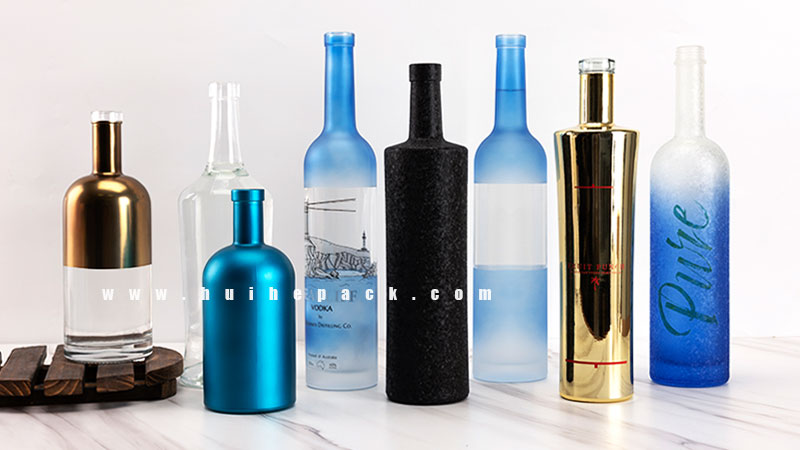
Standard Vodka Bottle Sizes (Most Common in the Market)
When sourcing vodka bottle sizes, most brands and importers start with industry-standard volumes. These sizes are widely accepted by filling lines, distributors, and regulators, which helps reduce risk and cost. Below is a quick overview of the most common glass bottle sizes for vodka and how they are typically used.
| Bottle Size | ml | oz | Typical Use |
| Mini Bottle | 50 ml | 1.7 oz | Sampling, airline, promotions |
| Half Pint | 200 ml | 6.8 oz | Travel retail |
| Standard | 375 ml | 12.7 oz | On-trade, limited runs |
| Most Popular | 750 ml | 25.4 oz | Retail & global markets |
| Liter | 1000 ml | 33.8 oz | Europe, duty-free |
| Large Format | 1.75 L | 59.2 oz | Family & value packs |
Among all options, the 750ml vodka bottle is the most popular worldwide. It is the standard size for retail shelves and works well across most markets. If you are selling in Europe or targeting duty-free, the 1L vodka bottle size is more common and often expected by buyers. For value brands and wholesale channels, large vodka bottle sizes like 1.75L offer better cost efficiency per unit, making them attractive for high-volume sales.
Why 750ml Is the Most Popular Vodka Bottle Size
The 750ml vodka bottle has become the standard vodka bottle size for a simple reason: it works well for both brands and consumers. From a buyer’s point of view, 750ml feels familiar and trusted. Shoppers know what to expect in terms of price, usage, and value, which makes purchase decisions easier on retail shelves.
For you as a brand or importer, the 750ml size fits perfectly into standard shelf heights and case packs. It is also fully compatible with most existing caps, closures, and filling lines, helping you avoid extra setup costs. On the logistics side, 750ml bottles offer a good balance between weight and volume, keeping shipping and unit costs under control. This combination of market acceptance and operational efficiency is why the 750ml vodka bottle remains the top choice globally.
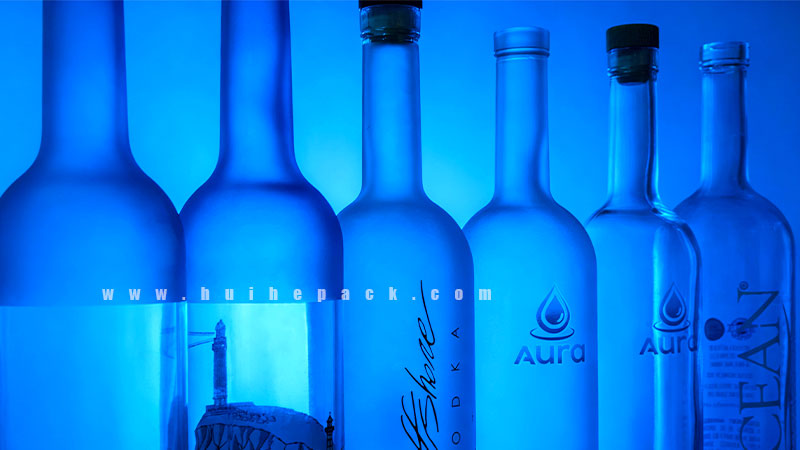
700ml vs 750ml Vodka Bottles: What’s the Difference?
When choosing vodka bottle sizes, many brands compare 700ml vs 750ml. Both are common, but they serve different markets and regulations. Understanding the difference helps you avoid compliance issues and unnecessary costs.
| Bottle Size | Typical Markets | Key Advantage | Things to Consider |
| 700 ml | UK, EU | Meets local regulatory standards | Less common in US retail |
| 750 ml | US, global markets | Recognized as the standard vodka bottle size | May not fit some EU requirements |
The 700ml vodka bottle is widely used in the UK and parts of Europe due to regulatory rules. If you are selling mainly in these regions, 700ml is often the safer choice. The 750ml vodka bottle, however, remains the most recognized size worldwide and dominates the US and global retail market. When selecting between 700ml and 750ml, you should always consider your target market first, along with labeling and export compliance.
Small Vodka Bottle Sizes for Sampling & Premium Lines
Small vodka bottles are widely used for sampling, travel, and premium product lines. Common mini vodka bottle sizes include 50ml, 100ml, and 200ml, each serving a clear purpose. A 50ml bottle is ideal for tastings, airline service, and promotional giveaways. The 100ml size works well for gift sets and trial packs, while 200ml bottles are often used in hotels, bars, and duty-free bundles.
Premium vodka brands often choose smaller sizes to lower the entry price and encourage first-time trials. These bottles also allow more creative packaging, which is important for high-end positioning. From a manufacturing point of view, small vodka bottles require greater glass thickness control and higher mold precision. Clean lines, even weight, and accurate neck finishes matter more at small volumes, where any flaw is easy to notice.

Large Vodka Bottle Sizes for Wholesale & Value Brands
Large vodka bottle sizes are commonly used by value-focused brands, supermarkets, and wholesale buyers. The most popular option in this category is the 1.75L vodka bottle, which offers a lower cost per unit and strong appeal in high-volume retail environments. For family packs and bulk purchasing, larger bottles help you stay competitive on price.
From a packaging perspective, large-format bottles must be designed with extra attention to structure. Thicker glass walls, reinforced shoulders, and stable bases are essential to handle the added weight. For B2B buyers, logistics also matter. Large bottles are often optimized for pallet loading, allowing better stacking stability and higher pallet efficiency. This improves handling safety and helps reduce overall transportation costs when shipping in bulk.
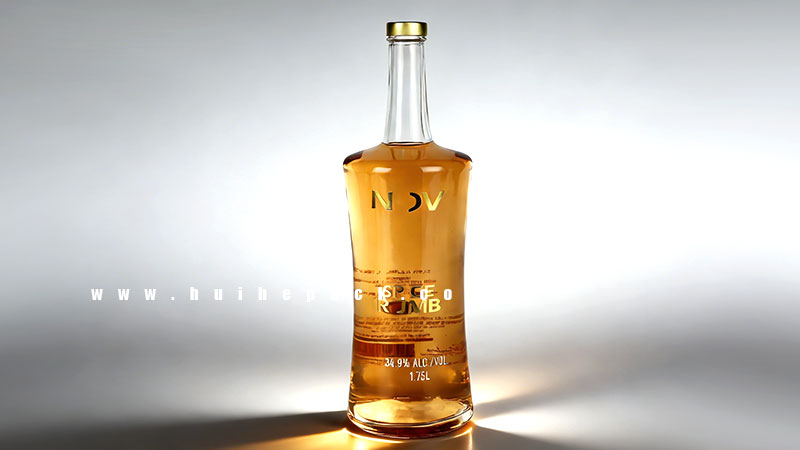
Can Vodka Bottle Sizes Be Customized?
Yes, vodka bottle sizes can be customized, but the level of flexibility depends on the mold and production setup. Common volumes such as 50ml, 200ml, 375ml, 700ml, 750ml, 1L, and 1.75L are usually made with existing industry molds, which helps keep tooling costs and lead times low.
In some cases, bottle capacity can be slightly adjusted, typically within ±10–30ml, by modifying bottle height or internal volume while keeping the same neck finish. However, developing a completely new mold for a custom size will increase the minimum order quantity (MOQ) and tooling investment.
It is also important to note that customization is not limited to volume. Bottle height, shoulder shape, and base thickness all affect stability, filling performance, and brand appearance, and are often adjusted together during development.
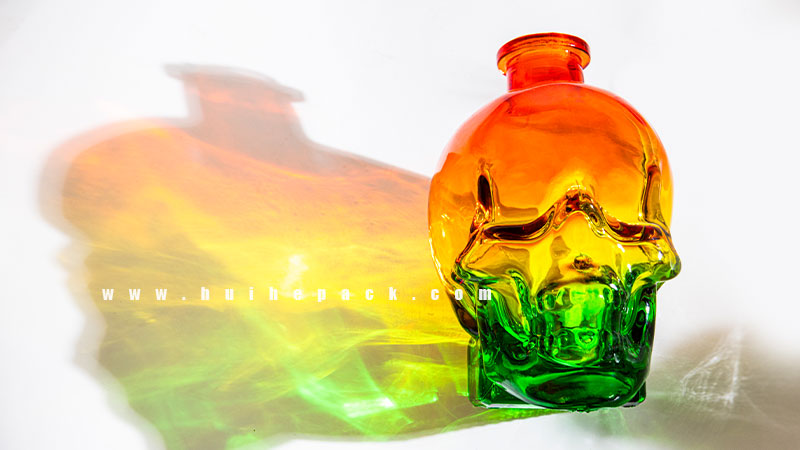
How to Choose the Right Glass Bottle Size for Your Vodka Brand
When selecting glass bottle sizes for vodka, you should evaluate more than just capacity. A practical approach includes:
- Target market: 750ml is common in the US, 700ml and 1L are more typical in the EU, and duty-free often favors 1L.
- Price positioning: Smaller sizes support premium or trial products, while larger sizes fit value-driven brands.
- Shipping cost: Heavier bottles increase freight cost, especially for long-distance export.
- Filling line compatibility: Standard sizes and neck finishes reduce setup time and production risk.
Choosing the right bottle size helps align packaging, operations, and market expectations from the start.

FAQ: Vodka Bottle Sizes
1. What is the standard vodka bottle size?
The standard vodka bottle size is 750ml. It is the most widely used size in the US and many global markets, making it the safest option for retail distribution.
2. Is 700ml or 750ml better for vodka bottles?
Neither is universally better—it depends on your target market. 700ml vodka bottles are common in the UK and EU due to regulations, while 750ml vodka bottles dominate the US and international retail markets.
3. What are the most common small vodka bottle sizes?
The most common small vodka bottles are 50ml, 100ml, and 200ml. These sizes are mainly used for sampling, travel retail, hotel minibar use, and premium gift sets.
4. What is the largest vodka bottle size commonly used?
The 1.75L vodka bottle is the most common large format. It is popular in supermarkets and wholesale channels because it offers better cost efficiency per unit.
5. Can vodka bottle sizes be customized?
Yes. Most standard sizes use existing molds, while minor volume adjustments (±10–30ml) are sometimes possible. Fully custom sizes usually require new molds and higher MOQs.
6. Does bottle size affect shipping and logistics costs?
Yes. Larger and heavier bottles increase freight costs, but they can improve pallet efficiency. Choosing the right vodka bottle size helps balance shipping cost and market demand.