Choosing the right glass color for cosmetic packaging is about more than appearance. The color of a bottle directly affects product stability, ingredient protection, shelf appeal, and brand positioning.
For skincare formulas containing active ingredients such as Vitamin C, retinol, essential oils, botanical extracts, or CBD, packaging can play a significant role in preserving product quality throughout its shelf life. At the same time, bottle color influences how consumers perceive your brand, whether it is positioned as luxury, natural, clinical, or mass-market.
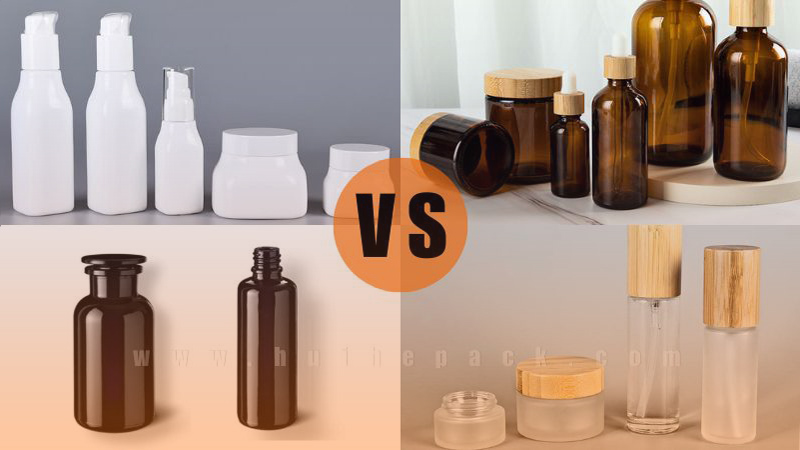
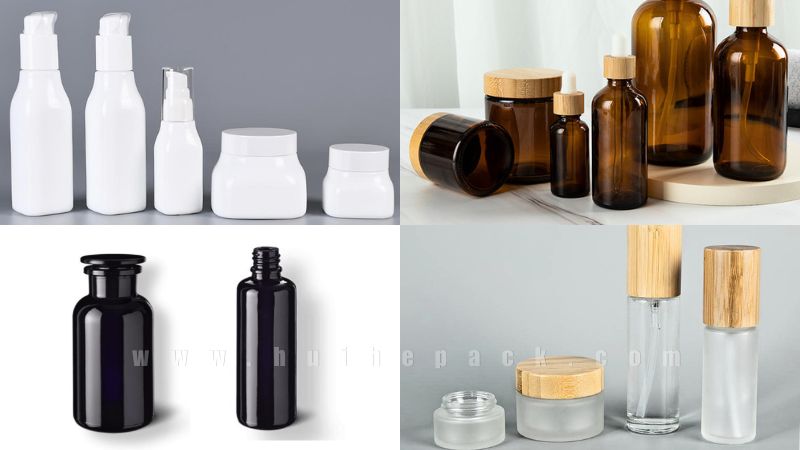
Among the many options available, Miron glass, amber glass, opal white glass, and clear glass remain the most widely used choices in the beauty and personal care industry. Each offers unique advantages and limitations depending on your formulation and marketing goals.
This guide compares these four popular glass bottle colors to help cosmetic brands choose the best packaging solution for their products.
Why Glass Color Matters in Cosmetic Packaging
Many cosmetic formulations are sensitive to light exposure. Ultraviolet (UV) and visible light can gradually break down active ingredients, reducing product effectiveness and shortening shelf life.
For example, ingredients such as Vitamin C, retinol, essential oils, and natural plant extracts can lose potency when exposed to prolonged light. Choosing a protective glass color helps minimize degradation and maintain product performance from manufacturing to consumer use.
Glass color also influences how customers perceive a product. A dark bottle often communicates luxury and protection, while a white bottle may suggest purity and clean beauty. Clear glass highlights the product itself and can create a sense of transparency and authenticity.
As a result, selecting the right bottle color involves balancing product protection, brand image, and packaging costs.
Understanding the Four Most Popular Cosmetic Bottle Colors
The cosmetic packaging industry commonly uses four premium glass colors:
While all four options are suitable for cosmetic applications, they serve different purposes. Some prioritize maximum UV protection, while others focus on aesthetics, product visibility, or cost efficiency.
Let’s examine each option in detail.
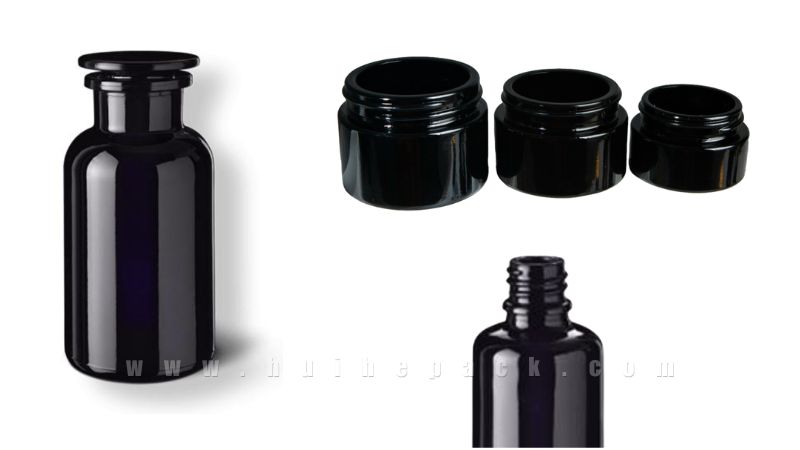
Miron Glass Bottles
What Is Miron Glass?
Miron glass, sometimes referred to as violet glass, is a dark purple-black glass developed specifically for light-sensitive products. Unlike conventional colored glass, Miron glass is engineered to block most visible light while allowing certain beneficial wavelengths to pass through.
Because of its advanced protective properties, Miron glass has become increasingly popular in premium skincare, organic beauty, aromatherapy, and wellness products.
Advantages of Miron Glass
Exceptional UV Protection
Miron glass offers the highest level of light protection among cosmetic packaging options. It effectively blocks damaging UV rays and significantly reduces light-induced degradation.
Extended Product Stability
Sensitive formulations such as natural oils, botanical extracts, retinol products, and CBD skincare can benefit from enhanced protection, helping maintain efficacy over longer storage periods.
Luxury Brand Positioning
The distinctive dark violet appearance immediately conveys exclusivity and premium quality. Many luxury wellness and skincare brands use Miron packaging to differentiate themselves in a competitive market.
Ideal Applications
Miron glass is commonly used for:
- Organic skincare products
- Essential oil blends
- CBD beauty products
- High-value serums
- Natural cosmetics
Limitations of Miron Glass
Despite its advantages, Miron glass is typically the most expensive option. Mold availability is more limited than standard glass colors, and lead times may be longer for custom projects.
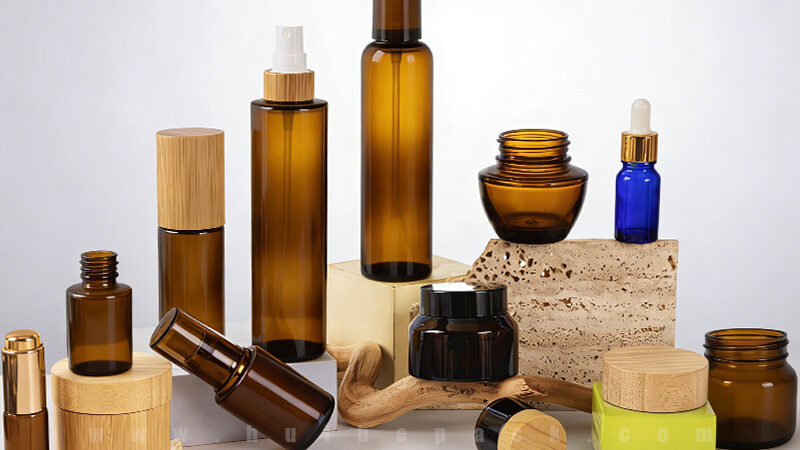
Amber Glass Bottles
Why Amber Glass Remains an Industry Standard
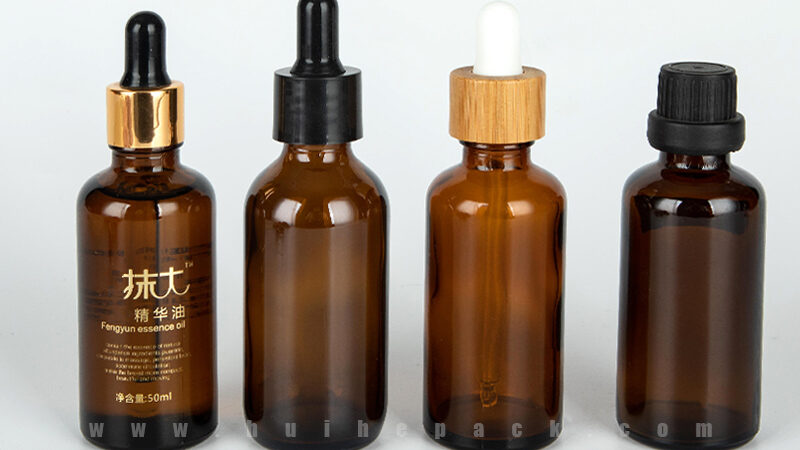
Amber glass has been used for decades in pharmaceutical, cosmetic, and personal care packaging. Its brown color naturally filters ultraviolet light, making it one of the most practical solutions for protecting sensitive formulations.
Because it combines good protection with reasonable cost, amber glass remains one of the most widely used packaging materials worldwide.
Advantages of Amber Glass
Strong UV Protection
Amber glass provides excellent protection against UV radiation and performs significantly better than clear glass in preserving light-sensitive ingredients.
Proven Packaging Solution
Many cosmetic brands choose amber glass because of its long history in pharmaceutical and skincare applications. Consumers often associate amber packaging with product safety and effectiveness.
Cost-Effective Option
Compared with Miron glass, amber bottles are generally more affordable while still offering strong protection for most formulations.
Broad Product Compatibility
Amber glass is commonly used for:
- Essential oils
- Facial oils
- Herbal extracts
- Serums
- Apothecary-inspired skincare
Limitations of Amber Glass
Although amber glass offers strong protection, it does not provide the same level of light filtering performance as Miron glass. Some luxury brands may also prefer alternative colors that align better with modern premium aesthetics.
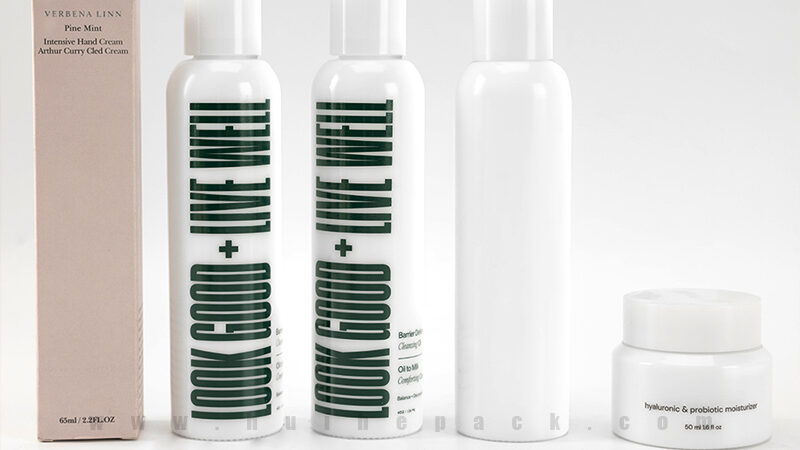
Opal White Glass Bottles
Why Opal Glass Is Popular in Premium Skincare
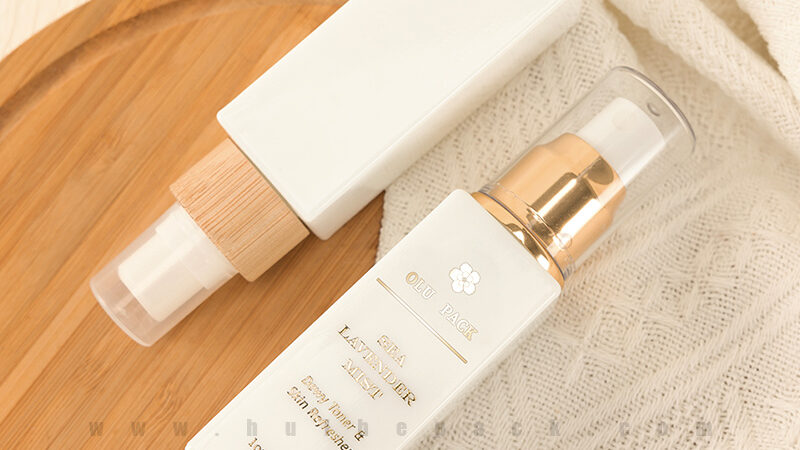
Opal white glass is known for its elegant, porcelain-like appearance. It has become a preferred packaging choice for premium skincare brands, especially in clean beauty and Korean beauty markets.
The soft white finish creates a refined and sophisticated look while providing a moderate level of light protection.
Advantages of Opal White Glass
Premium Shelf Appeal
Opal white bottles communicate purity, cleanliness, and luxury. They work particularly well for skincare brands focused on simplicity and elegance.
Better Light Protection Than Clear Glass
Although not as protective as Miron or amber glass, opal white glass helps reduce light exposure and provides additional protection for many cosmetic formulations.
Excellent Decoration Compatibility
Opal glass works well with frosting, hot stamping, silk-screen printing, and other decorative techniques, making it highly versatile for branding.
Ideal Applications
Opal white glass is frequently used for:
- Facial creams
- Lotions
- Serums
- Anti-aging skincare
- Clean beauty products
Limitations of Opal White Glass
The protection level is lower than Miron and amber glass, making it less suitable for highly light-sensitive formulations.
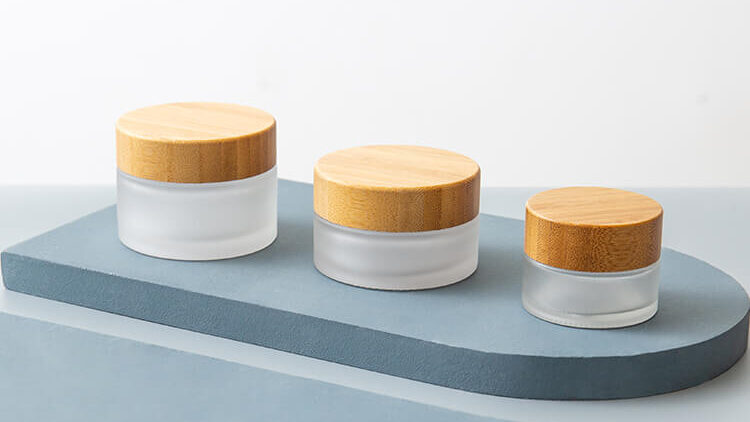
Clear Glass Bottles
The Benefits of Product Visibility
Clear glass remains one of the most popular packaging options because it allows consumers to see the product directly. This visibility can enhance trust and showcase unique colors, textures, or natural ingredients.
Advantages of Clear Glass
Full Product Visibility
Consumers can easily view the product inside the bottle, which is particularly attractive for facial oils, colorful serums, and natural formulations.
Lower Manufacturing Costs
Clear glass is typically the most economical option due to its widespread availability and extensive mold selection.
Greater Design Flexibility
Because the glass itself is transparent, brands can use various decoration techniques, coatings, and labels to achieve different visual effects.
Ideal Applications
Clear glass is commonly used for:
- Facial oils
- Toners
- Body oils
- Hair serums
- Beauty products with short shelf-life requirements
Limitations of Clear Glass
Clear glass offers minimal UV protection. Products containing sensitive active ingredients may require secondary packaging or UV-resistant coatings to maintain stability.
Comparison Table: Miron vs Amber vs Opal White vs Clear Glass Bottles
| Feature | Miron Glass | Amber Glass | Opal White Glass | Clear Glass |
| UV Protection | Excellent | Very Good | Good | Poor |
| Product Stability | Excellent | Very Good | Good | Fair |
| Premium Appearance | Excellent | Good | Excellent | Good |
| Product Visibility | No | No | No | Yes |
| Luxury Brand Positioning | Excellent | Good | Excellent | Moderate |
| Suitable for Natural Formulas | Excellent | Excellent | Good | Fair |
| Decoration Compatibility | Good | Good | Excellent | Excellent |
| Mold Availability | Limited | Wide | Moderate | Very Wide |
| Relative Cost | Highest | Medium | Medium-High | Lowest |
| Best For | Luxury Serums, CBD, Essential Oils | Herbal Skincare, Essential Oils, Serums | Creams, Lotions, Premium Skincare | Facial Oils, Toners, Body Care |
Which Glass Color Is Best for Different Cosmetic Products?
Different cosmetic formulations have different packaging requirements. Products containing light-sensitive ingredients generally benefit from darker glass, while products focused on visual appeal may perform well in clear containers.
| Product Type | Recommended Glass Color | Reason |
| Vitamin C Serum | Miron (UV-resistant violet ) | Maximum protection against light exposure |
| Retinol Serum | Miron or Amber | Helps maintain ingredient stability |
| Essential Oils | Miron or Amber | Commonly used for UV-sensitive oils |
| CBD Skincare | Miron | Suitable for premium and light-sensitive formulas |
| Facial Oils | Amber or Clear | Depends on protection needs and branding |
| Toners | Clear or Opal White | Lower sensitivity to light |
| Face Creams | Opal White | Premium appearance and moderate protection |
| Lotions | Opal White | Popular in skincare packaging |
| Men’s Grooming Products | Amber | Traditional apothecary look with good protection |
| Natural Beauty Products | Miron or Amber | Often paired with botanical formulations |
Ultimately, formulation stability testing should always take priority over packaging trends. The most suitable bottle color depends on ingredient sensitivity, expected shelf life, and storage conditions.
Which Glass Color Matches Your Brand Positioning?
Packaging color influences how consumers perceive a product before they read the label. Different colors naturally align with different brand identities.
Miron Glass
Miron (UV-resistant violet ) glass is often associated with premium wellness, organic skincare, and high-value formulations. Brands that emphasize ingredient preservation and exclusivity frequently choose this option.
Amber Glass
Amber glass is commonly linked to pharmaceutical, botanical, and apothecary-inspired products. It balances functionality and aesthetics while conveying a sense of tradition and reliability.
Opal White Glass
Opal white glass is widely used by luxury skincare and clean beauty brands. Its smooth, porcelain-like appearance creates a refined and modern look.
Clear Glass
Clear glass highlights the product itself. It works particularly well when the formula’s color, texture, or natural ingredients are part of the brand story.
Rather than asking which color looks best, brands should consider which color best supports their product category and target audience.
Cost Comparison and Manufacturing Considerations
Glass color can also affect packaging budgets and sourcing decisions.
Clear glass is generally the most economical option due to its widespread availability and extensive mold selection. It is often the easiest choice for new product launches and small production runs.
Amber glass typically adds a modest cost increase while providing significantly better UV protection. Because it is widely produced across the packaging industry, sourcing remains relatively straightforward.
Opal white glass usually falls into a higher price range. Its manufacturing process is more specialized, and available mold options may be more limited than clear or amber glass.
Miron glass is often the most expensive choice. In addition to material costs, brands may encounter fewer stock molds and longer lead times for custom projects.
When selecting a bottle color, procurement teams should evaluate more than unit price. Decoration requirements, stock availability, lead times, and minimum order quantities can all influence the total packaging cost.
Emerging Trends in Premium Cosmetic Packaging
Several packaging trends continue to shape the cosmetics industry.
One notable trend is the growing demand for UV-protective packaging as brands increasingly formulate with active ingredients and natural extracts. This has contributed to greater interest in amber and Miron glass solutions.
Another trend is the rise of refillable packaging systems. More skincare and fragrance brands are introducing reusable glass containers paired with refill programs to reduce packaging waste.
Minimalist packaging remains popular across both luxury and clean beauty segments. Simple bottle shapes, restrained decoration, and high-quality materials often replace heavily embellished designs.
At the same time, consumers are paying closer attention to sustainability. Glass continues to be favored for its recyclability, durability, and compatibility with refill initiatives.

How HUIHE PACK Supports Cosmetic Packaging Projects
HUIHE PACK supplies cosmetic glass packaging in a range of colors, including clear, amber, opal white, and custom-coated finishes.
Available solutions include stock bottle designs, custom mold development, decoration services, and matching closures such as droppers, lotion pumps, treatment pumps, and screw caps. Depending on project requirements, options such as frosting, silk-screen printing, hot stamping, spraying, and labeling can also be applied.
For brands comparing different packaging colors, sample evaluation is often the most practical way to assess appearance, compatibility, and overall product positioning.

Frequently Asked Questions
1. Is Miron glass better than amber glass?
Miron glass generally provides a higher level of light protection than amber glass. However, amber glass remains a highly effective and more economical solution for many cosmetic formulations.
2. Can clear glass be used for skincare products?
Yes. Clear glass is commonly used for toners, facial oils, and products with lower sensitivity to light. Additional secondary packaging may be beneficial for highly active formulations.
3. Is opal white glass suitable for serums?
Yes. Opal white glass is frequently used for premium serums and skincare products, especially when brands prioritize aesthetics alongside moderate light protection.
4. Which glass color is most commonly used for essential oils?
Amber glass remains the most widely used option for essential oils because it offers strong UV protection and broad availability. Miron glass is often chosen for premium positioning.
5. Does bottle color affect product shelf life?
It can. For light-sensitive formulations, darker glass colors help reduce ingredient degradation caused by UV and visible light exposure.
6. Which glass color is best for luxury skincare brands?
There is no universal answer. Miron glass is often selected for premium natural products, while opal white glass remains a popular choice for luxury skincare and clean beauty collections.
References
To learn more about cosmetic packaging stability and light protection, the following resources provide useful technical information:
- United States Pharmacopeia (USP) – Packaging and Storage Requirements
- International Organization for Standardization (ISO 22715: Cosmetics Packaging)
- Personal Care Products Council (PCPC)
- Cosmetics Europe – Packaging and Sustainability Resources
- European Medicines Agency (EMA) Guidelines on Light-Sensitive Products
- Journal of Cosmetic Science – Studies on Ingredient Stability and Packaging Performance