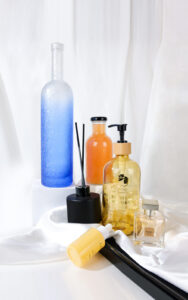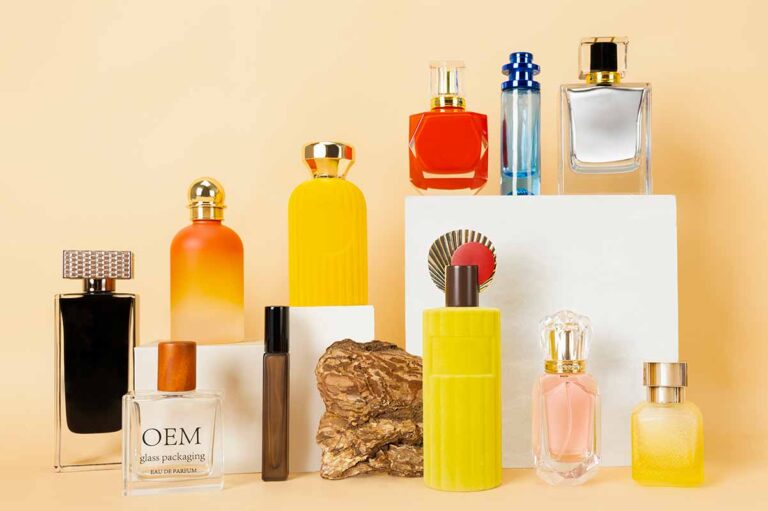
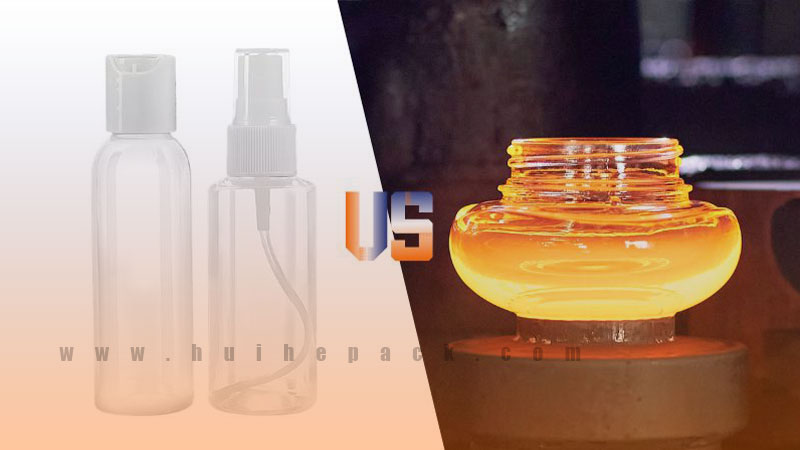
Choosing between glass and plastic cosmetic packaging is more than a design decision. The material you choose affects product stability, brand image, shipping costs, sustainability, and how customers experience your product.
Glass is often associated with luxury skincare, perfumes, and premium beauty products. Plastic is valued for its lightweight design, lower cost, and convenience. Both materials have clear advantages, and the best choice depends on your formula, target market, and business goals.
In this guide, you’ll compare cosmetic glass vs plastic packaging from every important angle, including product protection, environmental impact, customization, cost, and ideal applications. Whether you’re launching a new skincare line or updating existing packaging, this comparison will help you make a more informed decision.
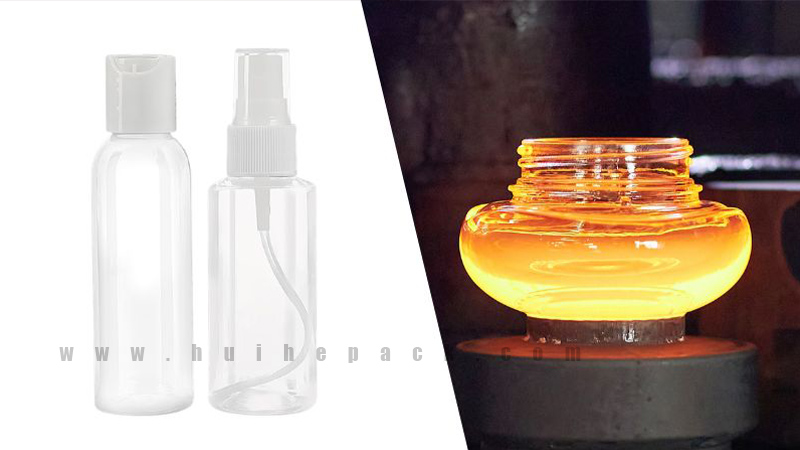
Why Packaging Material Matters in Cosmetics
The packaging does much more than hold your product. It protects the formula, supports your brand image, and influences buying decisions before customers even try what’s inside.
For skincare and beauty products, the right material also helps maintain product quality throughout storage, transportation, and daily use. Some ingredients are sensitive to light, oxygen, or chemical reactions, making the choice between glass cosmetic packaging and plastic cosmetic packaging especially important.
Your packaging should match both your product and your customers’ expectations.
For example:
- A luxury facial serum often benefits from a thick glass bottle that reflects premium quality.
- A travel-size lotion may be better suited to a lightweight plastic bottle that is easy to carry.
- Essential oils usually require glass containers because many concentrated oils can interact with certain plastics over time.
Packaging also affects your long-term business strategy. Many beauty brands today are investing in sustainable cosmetic packaging, refillable designs, and premium materials to strengthen their market position.
Instead of asking whether glass or plastic is universally better, a better question is:
Which packaging material works best for your product, your customers, and your brand?
That’s exactly what the following sections will help you decide.
Glass vs Plastic Cosmetic Packaging at a Glance
If you’re comparing glass vs plastic cosmetic packaging, it’s helpful to start with the basics. Both materials are widely used in the beauty industry, but they serve different purposes.
Glass is known for its premium appearance, excellent chemical stability, and high recyclability. Plastic stands out for its lightweight design, lower shipping costs, and flexibility in mass production.
The table below gives you a quick overview before we look at each factor in more detail.
| Feature | Glass Cosmetic Packaging | Plastic Cosmetic Packaging |
| Appearance | Premium, elegant, high-end | Practical, modern, versatile |
| Chemical Resistance | Excellent | Good (depends on the resin) |
| Barrier Performance | Excellent against oxygen and moisture | Varies by material |
| UV Protection | Amber and coated glass offer strong protection | Depends on additives or color |
| Weight | Heavy | Lightweight |
| Shipping Cost | Higher | Lower |
| Durability | Scratch-resistant but breakable | Impact-resistant |
| Recyclability | Infinitely recyclable without quality loss | Recyclable, but varies by plastic type and local facilities |
| Decoration Options | Extensive | Extensive |
| Best Applications | Serums, perfumes, essential oils, luxury skincare | Lotions, shampoos, cleansers, travel products |
While this comparison provides a general guideline, there is no one-size-fits-all answer. The right packaging depends on your product formula, price point, brand positioning, and target customers.
Product Protection: Which Material Preserves Cosmetic Formulas Better?
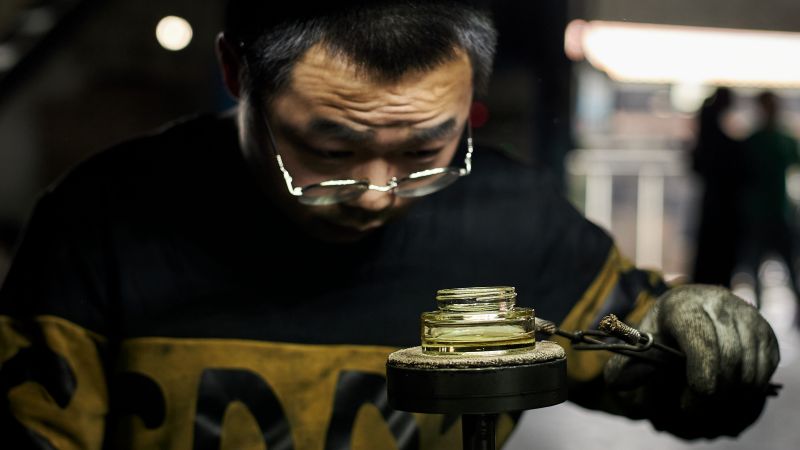
One of the biggest differences between glass and plastic cosmetic packaging is how well they protect your formula. If your product contains active ingredients, natural extracts, or essential oils, the packaging material can directly affect product stability and shelf life.
Glass Offers Outstanding Chemical Stability
Glass is a non-porous and chemically inert material. It does not react with most cosmetic ingredients or release unwanted substances into the product.
This makes glass cosmetic bottles an excellent choice for products containing:
- Vitamin C
- Retinol
- Essential oils
- Botanical extracts
- Alcohol-based formulas
- Premium facial oils
Because glass forms an excellent barrier against oxygen and moisture, it helps preserve the effectiveness of sensitive ingredients over time. This is one reason why many premium skincare brands continue to choose glass packaging.
Factory Insight
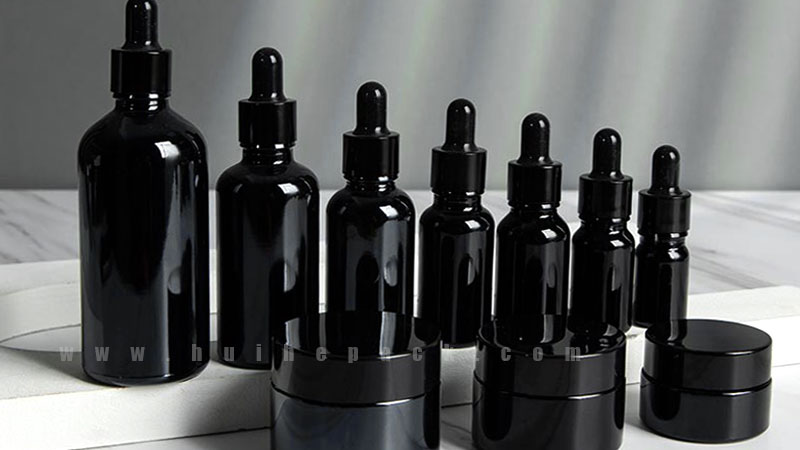
At HUIHE PACK, many customers choose amber or frosted glass bottles for serums and essential oils because they provide both product protection and a premium appearance.
Plastic Works Well for Many Everyday Products
Modern plastics such as PET, PP, and HDPE are safe and reliable for many cosmetic applications. They are widely used for:
- Body lotions
- Shampoos
- Facial cleansers
- Hand creams
- Body wash
These materials are lightweight, durable, and cost-effective, making them ideal for products with high production volumes.
However, some highly concentrated formulas, fragrance oils, or alcohol-rich products may require additional compatibility testing before selecting plastic packaging.
UV Protection Also Matters
Many cosmetic ingredients are sensitive to light exposure.
Glass offers several options to improve protection, including:
- Amber glass
- Green glass
- Frosted glass
- UV-coated glass
Plastic containers can also reduce light exposure by using colored resins or special coatings, but their barrier performance depends on the material and manufacturing process.
If your formula contains light-sensitive ingredients, choosing the right bottle color is just as important as choosing the right packaging material.
Which Material Protects Cosmetics Better?
For high-value skincare products, perfumes, facial oils, and essential oils, glass packaging generally offers the highest level of protection.
For daily-use products that prioritize convenience, portability, and lower costs, plastic packaging remains an excellent option.
The best choice is the one that protects your formula while supporting your brand’s positioning and customer expectations.
Brand Image: Why Luxury Beauty Brands Often Choose Glass
Packaging is often the first thing your customers notice. Before they test the formula or read the ingredients, they judge the product by how it looks and feels.
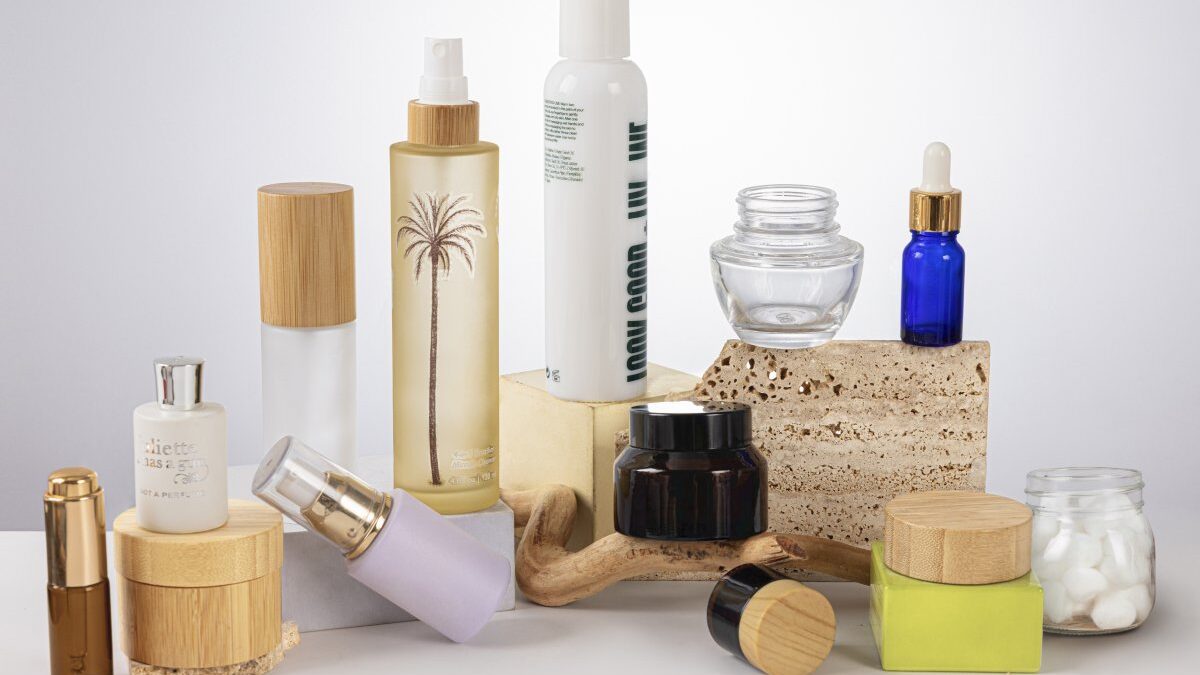
For many premium skincare and fragrance brands, glass cosmetic packaging creates a stronger first impression. The weight, clarity, and smooth surface of glass naturally communicate quality and craftsmanship.
Glass Creates a Premium Experience
Glass packaging is commonly used for:
- Luxury skincare
- High-end serums
- Facial oils
- Perfumes
- Spa collections
- Refillable beauty products
A heavy glass bottle feels more valuable in the customer’s hand. Frosted finishes, thick bases, and custom decoration further enhance the premium look.
If your goal is to position your products in the luxury or professional beauty market, glass packaging helps reinforce that message.
Plastic Fits Modern and Everyday Products
Plastic packaging has its own advantages. It is lightweight, durable, and easy to carry, making it a practical choice for products that customers use every day.
Plastic is often preferred for:
- Body care products
- Hair care
- Travel-size cosmetics
- Sports and outdoor products
- Family-use packaging
Today’s high-quality PET and acrylic containers can also achieve an attractive appearance through custom colors, metallic finishes, and premium printing. For many brands, plastic offers a good balance between appearance and cost.
Packaging Should Match Your Brand Positioning
There is no material that fits every beauty brand.
If your customers expect luxury, sustainability, or a premium unboxing experience, glass cosmetic bottles and jars are often the better choice.
The best packaging tells the same story as your brand.
Sustainability: Glass vs Plastic Environmental Impact
As consumers pay more attention to sustainability, packaging has become an important part of brand value. Many beauty brands are reviewing their packaging choices to reduce environmental impact while meeting customer expectations.
Both glass and plastic have environmental advantages and challenges. Understanding the full picture helps you make a more informed decision.
Glass Can Be Recycled Again and Again
One of the biggest advantages of glass is that it can be recycled indefinitely without losing quality.
Used glass can be collected, processed, and made into new bottles repeatedly. This supports a circular packaging system and helps reduce the use of raw materials.
Glass is also made from naturally occurring materials such as sand, soda ash, and limestone, making it an attractive option for brands looking to invest in sustainable cosmetic packaging.
Plastic Requires Less Energy to Transport
Plastic is much lighter than glass. A lighter package means more products can fit into each shipment, helping reduce transportation costs and fuel consumption.
For brands selling high-volume products or shipping globally, this can lower the overall carbon footprint during distribution.
Many cosmetic containers made from PET or HDPE are also recyclable, although recycling rates depend on local collection systems and the type of plastic used.
Refillable Packaging Is Growing
Many beauty brands are moving toward refillable packaging to reduce waste and encourage repeat purchases.
Glass is especially popular for refill programs because it is durable, maintains its appearance over time, and provides a premium customer experience. Customers often keep the original bottle and purchase refill packs instead of replacing the entire package.
This trend is becoming increasingly common in luxury skincare, fragrance, and premium wellness products.
Sustainability Is More Than the Material
Choosing sustainable packaging is not simply a matter of selecting glass or plastic.
You should also consider:
- Product lifespan
- Packaging weight
- Transportation distance
- Recyclability in your target market
- Reuse and refill opportunities
- Manufacturing efficiency
The most sustainable solution is the one that balances product protection, environmental impact, and long-term usability.
For many premium cosmetic brands, glass packaging aligns well with sustainability goals because it combines recyclability, durability, and a timeless appearance that encourages reuse.
Cost Comparison: Is Glass More Expensive Than Plastic?
Cost is one of the first factors brands consider when choosing cosmetic packaging materials. In most cases, glass packaging has a higher upfront cost than plastic. However, the total cost depends on much more than the price of the bottle.
You should look at the complete picture, including production, decoration, shipping, and the value your packaging adds to the finished product.
| Cost Factor | Glass Packaging | Plastic Packaging |
| Bottle Price | Higher | Lower |
| Shipping Cost | Higher due to weight | Lower due to lightweight design |
| Decoration Cost | Similar | Similar |
| Mold Investment | Similar for custom projects | Similar for custom projects |
| Product Value Perception | Higher | Moderate |
| Suitable Price Position | Premium products | Mass-market products |
Glass Costs More, but It Can Increase Perceived Value
Glass bottles usually cost more to produce and transport. They are heavier and require more protective packaging during shipping.
However, many brands see glass as an investment rather than an extra expense.
Premium packaging often allows you to position your products at a higher price point. A high-quality glass cosmetic bottle can make a serum or facial oil look more valuable, helping justify a premium retail price.
For luxury beauty brands, the added value often outweighs the higher packaging cost.
Plastic Helps Control Overall Costs
Plastic remains the most cost-effective option for many cosmetic products.
Its lighter weight reduces freight costs, especially for international shipments. Plastic is also less likely to break during transportation, which can lower replacement costs and simplify logistics.
If your products are designed for supermarkets, online marketplaces, or high-volume retail, plastic packaging may offer better overall cost efficiency.
Consider the Total Value, Not Just the Unit Price
The lowest-priced bottle is not always the most economical choice.
When selecting packaging, consider questions such as:
- Does the packaging support your brand image?
- Will it protect your formula throughout its shelf life?
- Does it improve the customer experience?
- Can it help you sell at a higher price point?
Looking beyond the unit cost helps you choose packaging that delivers better long-term value for your business.

Decoration & Customization Options
Whether you choose glass or plastic, custom decoration helps your packaging stand out on the shelf. A unique finish can strengthen your brand identity and create a more memorable customer experience.
Both materials support a wide range of decoration techniques, although glass generally offers a more premium finish.
Popular Decoration Options for Glass Cosmetic Packaging
Glass provides excellent compatibility with high-end decorative processes, making it a favorite for luxury skincare and fragrance brands.
Common options include:
- Frosted finish
- Spray coating
- Silk screen printing
- Hot stamping in gold or silver
- Electroplating
- Gradient coating
- Embossing and debossing
- Metallic finishes
- Custom bottle colors
These finishes can be combined to create packaging that reflects your brand’s style while maintaining the premium feel of glass.
Decoration Options for Plastic Packaging
Plastic containers also offer many customization possibilities.
Popular choices include:
- Silk screen printing
- Pressure-sensitive labels
- Heat transfer printing
- Metallic coating
- Soft-touch finishes
- Color matching
- Transparent or opaque designs
Modern decoration technologies allow plastic packaging to achieve a clean and attractive appearance, especially for everyday skincare and personal care products.
Build a Consistent Packaging Collection
Many beauty brands use the same decoration style across multiple products to create a unified collection.
For example, your product line may include:
- Glass serum bottles
- Glass cream jars
- Glass dropper bottles
- Matching lotion bottles
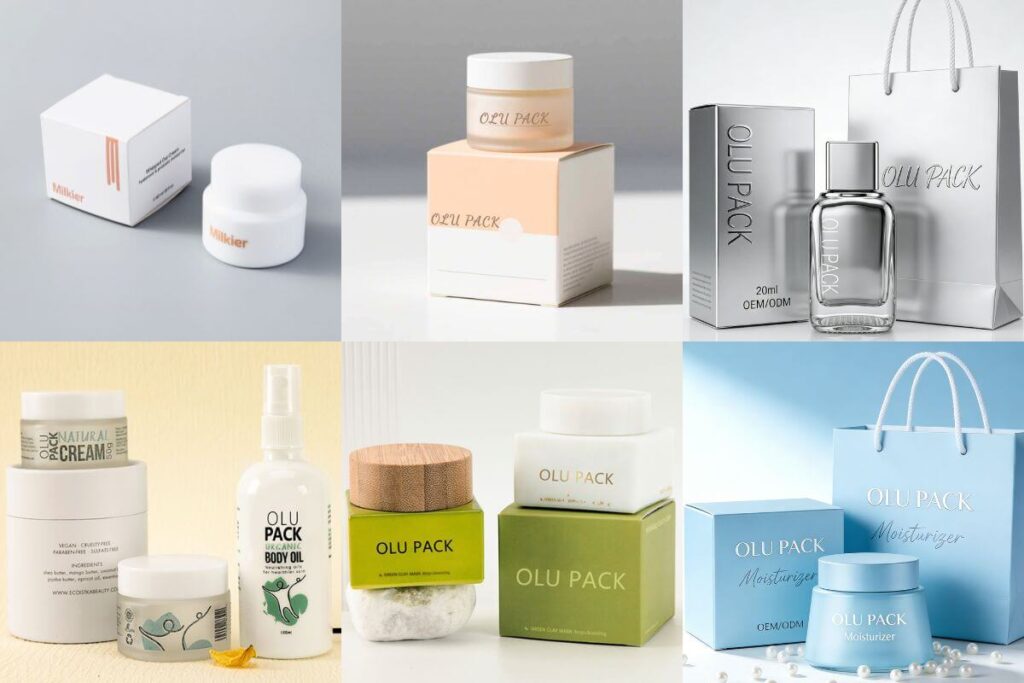
Using the same colors, printing, and cap finishes across the collection helps customers recognize your brand more easily and creates a stronger shelf presence.
Factory Insight
HUIHE PACK provides one-stop decoration services, including frosting, spray coating, silk screen printing, hot stamping, electroplating, and custom color matching. By completing both bottle production and decoration under one roof, HUIHE PACK helps brands shorten lead times and maintain consistent quality across every packaging project.
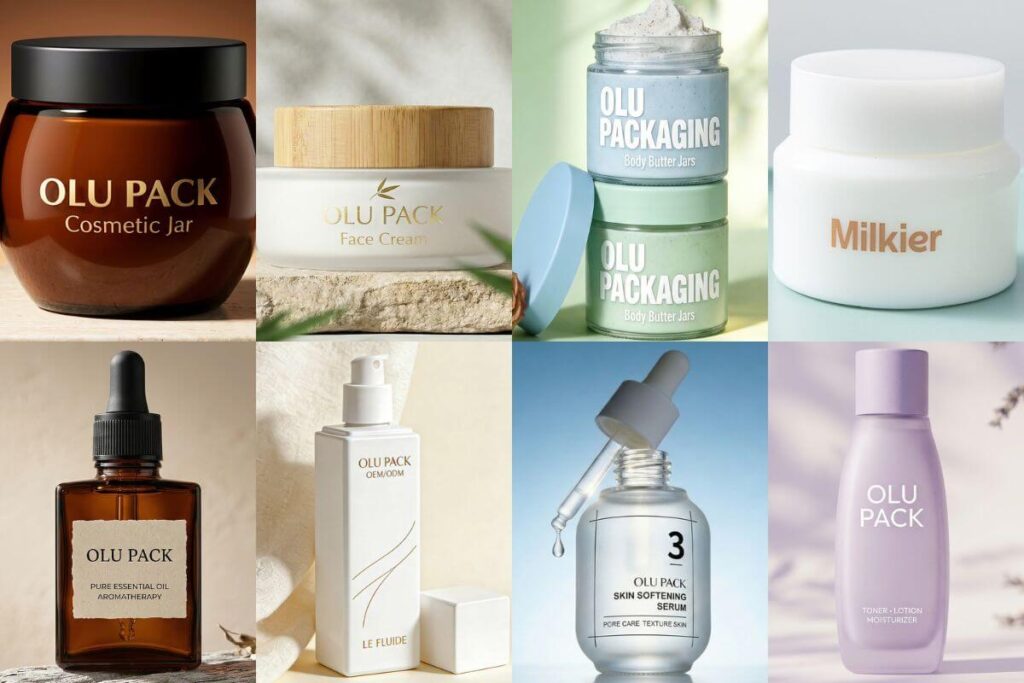
Best Cosmetic Products for Glass Packaging
Glass is the preferred choice for products that require strong formula protection and a premium appearance. It is especially suitable for cosmetics with active ingredients, essential oils, or alcohol-based formulas.
| Cosmetic Product | Recommended Material | Why |
| Perfume | Glass | Resistant to alcohol and preserves fragrance |
| Facial Serum | Glass | Protects active ingredients |
| Essential Oil | Glass | Excellent chemical stability |
| Face Oil | Glass | Premium look and better compatibility |
| Cream Jar | Glass | Luxury presentation and reusable |
| Ampoule | Glass | High purity and product protection |
If your brand focuses on high-end skincare or fragrance, glass cosmetic packaging is often the best long-term investment.
How to Choose Between Glass and Plastic
The right material depends on your product and your brand goals.
Choose glass if you want to:
- Create a premium brand image
- Protect sensitive formulations
- Support refillable packaging
- Improve product presentation
- Appeal to luxury beauty customers
Choose plastic if you want to:
- Reduce packaging and freight costs
- Launch travel-friendly products
- Improve impact resistance
- Produce high-volume product lines
- Reach value-focused consumers
Many successful beauty brands use both materials across different product categories. Glass is often reserved for premium collections, while plastic is used for everyday essentials.
Why Choose HUIHE PACK for Cosmetic Glass Packaging?
HUIHE PACK supplies a wide range of glass cosmetic packaging for skincare, fragrance, and personal care brands worldwide.
Our product range includes:
- Glass cosmetic bottles
- Serum bottles
- Essential oil bottles
- Cream jars
- Dropper bottles
- Perfume bottles
HUIHE PACK also supports custom colors, frosting, silk screen printing, hot stamping, electroplating, OEM/ODM services, and low-MOQ stock bottles. Whether you’re developing a new product or upgrading your packaging, HUIHE PACK helps you create packaging that matches your brand and your market.
Conclusion
There is no universal winner in the cosmetic glass vs plastic debate. Both materials offer unique advantages.
Glass stands out for product protection, premium appearance, and long-term sustainability. Plastic offers lower costs, lighter weight, and greater convenience for everyday products.
The best packaging is the one that fits your formula, your customers, and your brand positioning. By understanding the strengths of each material, you can make a packaging decision that supports both product performance and business growth.