Choosing the right bottle size is one of the most important decisions when developing a skincare product. It affects how customers use your product, how long it stays fresh, shipping costs, shelf appeal, and even your brand positioning.
Whether you’re launching a facial serum, toner, lotion, cleanser, or face oil, selecting the right skincare bottle size helps create a better customer experience while improving production efficiency.
This guide explains the most common cosmetic bottle sizes, their ideal applications, and how you can choose the right glass skincare packaging for your product line.
Why Bottle Size Matters in Skincare Packaging
Many brands focus on bottle shape or decoration first, but capacity is just as important. The right size should match both the product formula and customer expectations.
A well-chosen bottle size can help you:
- Improve product usability and customer satisfaction
- Reduce shipping and storage costs
- Protect sensitive ingredients from unnecessary exposure
- Meet travel and retail packaging requirements
- Create a premium and professional brand image
For manufacturers and private-label brands, selecting the right skincare packaging early also simplifies filling, labeling, and inventory management.
Recommended Bottle Sizes by Skincare Product
The table below shows the most common packaging sizes used across today’s skincare market.
| Skincare Product | Popular Bottle Size | Recommended Packaging |
| Facial Serum | 15ml, 30ml, 50ml | Glass dropper bottle, airless bottle |
| Face Oil | 30ml, 50ml | Amber or clear dropper bottle |
| Toner | 100ml, 120ml, 150ml, 200ml | Screw bottle or pump bottle |
| Essence | 100ml, 120ml | Pump bottle |
| Facial Lotion | 100ml, 150ml, 200ml | Glass pump bottle |
| Sunscreen | 50ml, 100ml | Pump bottle or tube |
| Cleanser | 120ml, 150ml, 200ml | Pump bottle |
| Body Lotion | 250ml, 500ml | Large pump bottle |
| Moisturizer | 30g, 50g | Cosmetic jar |
These sizes are widely accepted by global skincare brands because they balance convenience, product stability, and production costs.
Best Bottle Sizes for Different Skincare Products
Serum Bottles
Serums usually contain concentrated active ingredients, so smaller bottles are preferred.
- 15ml – Sample products and travel collections
- 30ml – The most popular size for everyday skincare
- 50ml – Premium or professional treatment serums
Glass dropper bottles remain the industry’s preferred choice because they provide accurate dispensing and help create a luxury appearance.
Toner Bottles
Toners are used generously every day, making larger bottles more practical.
Common sizes include:
- 100ml
- 120ml
- 150ml
- 200ml
Asian skincare brands often choose 120ml or 150ml, while many European and North American brands prefer 200ml for better value.
Pump bottles or screw-cap bottles are both common depending on the product texture.
Lotion Bottles
Lotions need packaging that is comfortable for daily use and easy to dispense.
Popular sizes include:
- 100ml
- 150ml
- 200ml
- 250ml
Glass pump bottles are an excellent choice for premium facial lotions, while larger sizes are often used for body care products.
Face Oil Bottles
Face oils are usually applied in small amounts, so compact packaging works best.
The most popular sizes are:
- 30ml
- 50ml
Amber glass bottles are widely used because they help protect light-sensitive ingredients, while droppers allow users to control every application.
Cleanser Bottles
Facial cleansers are consumed faster than serums, making medium-sized bottles the most practical option.
Typical sizes include:
- 120ml
- 150ml
- 200ml
Pump dispensers improve convenience and reduce product waste during daily use.
Travel Size vs. Full Size Skincare Bottles
Many skincare brands now offer both travel-size and full-size packaging to meet different customer needs.
| Travel Size | Full Size | Best For |
| 15ml | 30ml | Serums |
| 30ml | 100ml | Toners and lotions |
| 50ml | 150ml | Daily skincare products |
| 100ml | 250ml | Body care |
Travel sizes help customers try new products before purchasing larger bottles. They are also popular for gift sets, subscription boxes, and airport-friendly collections.
Offering multiple capacities can increase your product line without developing entirely new formulas.
How to Choose the Right Skincare Bottle Size
There is no single bottle size that fits every skincare product. Before selecting your packaging, consider these factors.
Product Formula
Thin liquids like toners work well in larger bottles, while concentrated serums are usually packaged in smaller capacities.
Frequency of Use
Products used twice a day generally require larger bottles than treatments used only a few times each week.
Ingredient Stability
Active ingredients such as Vitamin C or retinol can lose effectiveness after repeated exposure to air. Smaller bottles help customers finish the product while it remains fresh.
Target Market
Luxury skincare brands often use compact, thick-wall glass bottles to create a premium appearance. Value-oriented brands may choose larger capacities to emphasize cost-effectiveness.
Shipping and Storage
Larger bottles reduce refill frequency but increase shipping weight and warehouse costs. Finding the right balance is important for both brands and distributors.
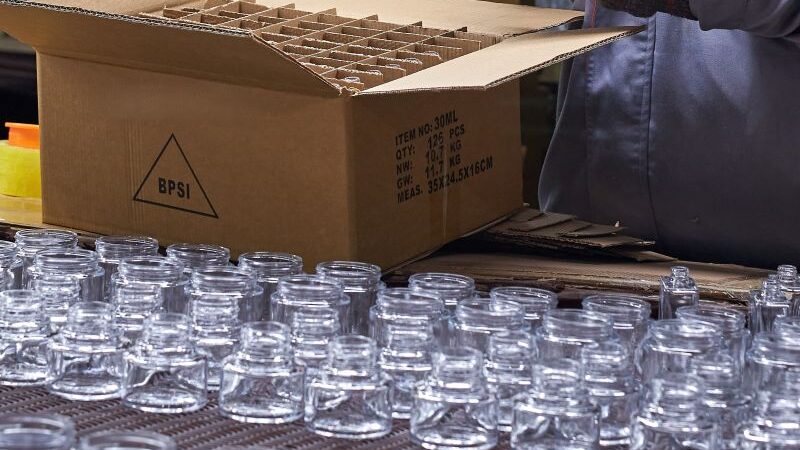
Glass or Plastic: Which Is Better?
Both materials have their advantages, but many premium skincare brands continue to choose glass skincare bottles.
Glass offers excellent chemical stability, protects formulas from unwanted reactions, and creates a high-end look that customers associate with quality skincare. It is also recyclable and suitable for brands with sustainability goals.
Plastic bottles are lighter and more economical for high-volume products, but glass is often preferred for serums, facial oils, and luxury skincare collections.
Packaging Trends Shaping the Skincare Industry
Consumer expectations continue to evolve, and packaging is changing with them.
Some of the biggest trends include:
- Refillable skincare packaging
- Thick-bottom luxury glass bottles
- Minimalist bottle designs
- Frosted and matte finishes
- Sustainable and recyclable packaging materials
- Travel-size product collections
Choosing packaging that follows these trends can help your products stay competitive in today’s beauty market.
How HUIHE PACK Supports Skincare Brands
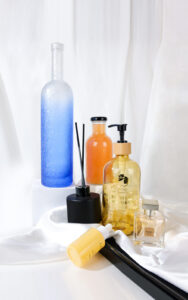
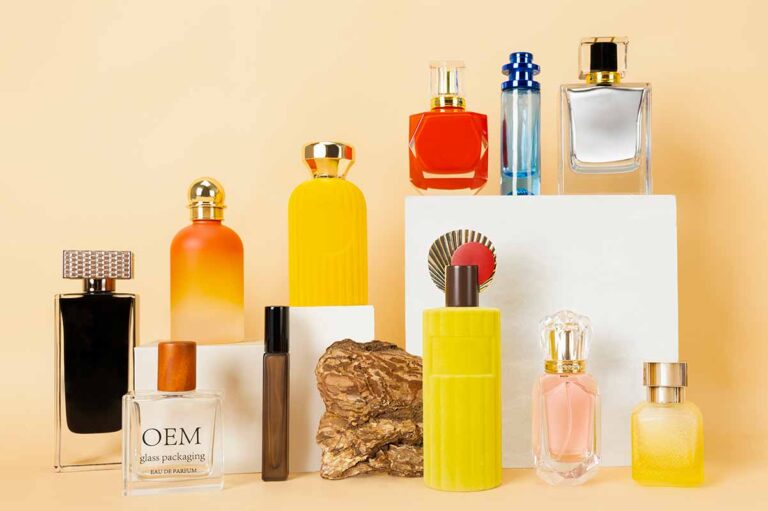
At HUIHE PACK, you can find a wide selection of glass cosmetic bottles for serums, lotions, toners, facial oils, and other skincare products.
HUIHE PACK supports both stock and custom packaging projects with services including custom colors, frosting, silk printing, hot stamping, labeling, and matching pumps or droppers. Whether you’re launching a new skincare brand or expanding an existing product line, HUIHE PACK helps you select the right bottle size and packaging solution for your market.
Conclusion
The best bottle size for skincare products depends on your formula, target customers, and brand positioning. While 30ml remains the standard for serums, products like toners, lotions, and cleansers often perform better in larger capacities.
By choosing the right cosmetic bottle size, you improve customer experience, reduce packaging costs, and build a stronger brand image. If you’re planning your next skincare collection, selecting the right packaging is one of the smartest investments you can make from the very beginning.