
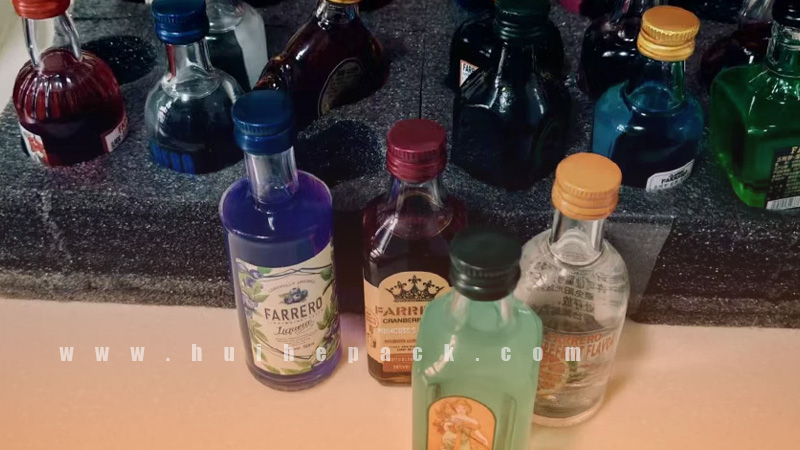
Mini liquor bottles are convenient for sampling, tasting sets, travel retail, and promotional spirits. But when you ship them in bulk, a small sealing problem can quickly turn into a large packaging issue.
A bottle may leave your filling line without any visible problem and still leak after hours of vibration, handling, temperature changes, or pressure during transportation.
The good news is that most leakage can be prevented before the bottles leave your facility. You need to look at the complete packaging system—from the glass bottle and neck finish to the closure, filling process, inner packaging, and shipping carton.
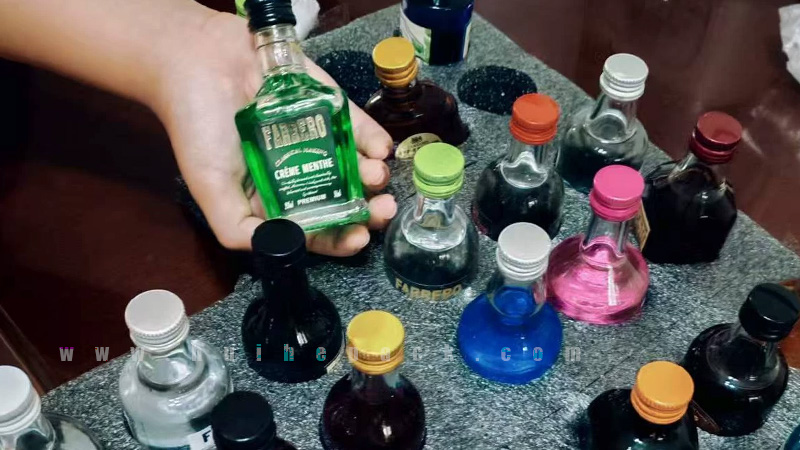
Why Do Mini Liquor Bottles Leak During Shipping?
Leakage does not always mean the glass bottle is defective. In many cases, the problem comes from the sealing system or from movement during transportation.
Common causes include:
- An incompatible bottle neck and closure
- An uneven or damaged bottle mouth
- A liner that does not fit properly
- Incorrect capping torque
- Overfilling
- Liquid residue around the sealing area
- Bottles moving inside the carton
- Weak or poorly designed inner packaging
For this reason, you should treat the mini liquor bottle, closure, and shipping package as one system rather than checking each part separately.
Start With the Right Mini Liquor Bottle
Choosing the right bottle is the first step in preventing leakage.
The bottle size and shape should match your filling, closure, and shipping requirements. Common mini liquor bottle sizes include 30ml, 50ml, 100ml, and 200ml. Among them, 50ml mini liquor bottles are widely used for samples, tasting packs, and miniature spirits.
However, capacity is only one part of the decision.
Check the Neck Finish
The bottle neck needs to match the closure exactly. Pay attention to the neck diameter, finish, threads, and sealing surface.
A high-quality closure cannot compensate for an unsuitable or inconsistent bottle neck. If the closure does not sit evenly on the bottle, leakage can occur even when the glass body is perfectly intact.
You should also check the bottle mouth for chips, cracks, or uneven surfaces before filling.
Choose a Closure That Matches the Bottle
The closure plays a major role in mini liquor bottle sealing.
Depending on your product and brand style, you may use screw caps, ROPP caps, cork stoppers, or bar-top closures. There is no single closure that is best for every mini spirit bottle.
What matters most is compatibility between the closure and the bottle neck finish.
For example, screw caps can provide reliable sealing when the thread, liner, and capping conditions are properly matched. Cork and bar-top closures can work well for premium whiskey and other spirits, but the stopper must fit the bottle mouth securely.
Before placing a large order, ask your supplier to provide the bottle and closure as a complete set for testing.

Check Bottle and Closure Fit Before Mass Production
Before you start bulk production, test the actual bottle and closure combination.
Check:
- Bottle neck dimensions
- Mouth condition
- Closure fit
- Liner contact
- Thread engagement
- Sealing performance
This is especially important when you source bottles and caps from different suppliers. A bottle may meet its specifications, and the cap may also meet its specifications, but the two parts may not create a reliable seal together.
For bulk mini liquor bottle orders, it is better to identify this problem during sampling than after thousands of bottles have been filled.
Control Filling and Capping Conditions
Even the right bottle and closure can leak if the filling and capping process is not controlled.
Avoid Overfilling
Leave enough headspace in the bottle for normal handling and temperature changes. Overfilling can bring the liquid too close to the sealing area and increase the risk of leakage.
Keep the Sealing Area Clean
Before applying the closure, make sure there is no liquor, syrup, flavoring, or other residue around the bottle mouth.
A clean sealing surface helps the liner or stopper make proper contact with the glass.
Apply Consistent Capping Torque
For screw caps, the cap should be applied with consistent torque.
If the torque is too low, the closure may loosen during transportation. If it is too high, the closure or liner may be damaged.
The correct setting depends on the bottle neck finish and closure design, so you should follow the tested specifications for your specific packaging combination.

Prevent Mini Liquor Bottles From Moving During Shipping
Once the bottles are properly sealed, your next job is to keep them stable.
Mini liquor bottles are small, so a shipping carton can contain many units. If the bottles move freely inside the carton, repeated vibration can cause bottles to hit each other or place additional stress on the closures.
Use packaging that keeps each bottle securely in position.
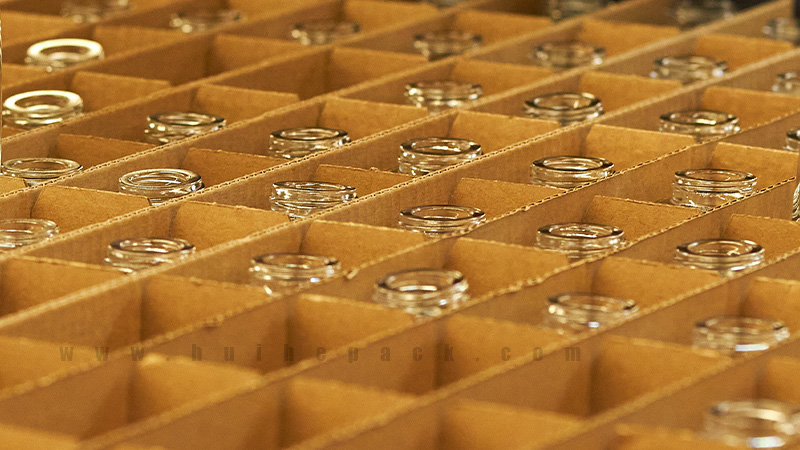
Use Dividers or Custom Inserts
Cardboard dividers are a practical option for many bulk shipments. For premium products or unusual bottle shapes, molded pulp or foam inserts can provide a closer fit.
The insert should hold the bottle firmly without putting excessive pressure on the neck or glass body.
A simple rule is useful here:
If the bottles can move noticeably inside the carton, the inner packaging needs improvement.
Protect the Closure Area, Not Just the Glass
When you think about shipping glass bottles, it is easy to focus only on preventing breakage.
But if your goal is to prevent leakage, the closure and neck deserve just as much attention.
Keep bottles upright when the packaging design and shipping conditions allow it. Use dividers or inserts to prevent the caps and bottle necks from hitting other bottles.
A bottle can arrive without a crack and still create a shipping problem if the closure has loosened.
How to Pack Mini Liquor Bottles for Bulk Shipping
A reliable packing process can be simple:
1. Inspect the bottles.
Check the bottle body, base, neck, and mouth for visible defects.
2. Match the closure.
Confirm that the closure, liner, and neck finish are designed to work together.
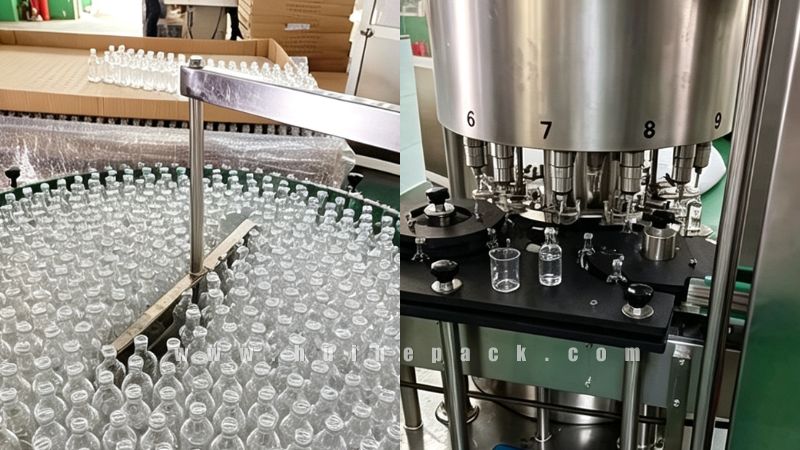
3. Fill and seal correctly.
Control the fill level, keep the sealing area clean, and apply consistent capping conditions.
4. Test for leakage.
Check samples before moving into full-scale packing.
5. Secure the bottles.
Use dividers, molded inserts, or other suitable inner packaging to limit movement.
6. Protect the master carton.
Use suitable corrugated cartons and stable palletization for bulk export shipments.
This approach helps you address both leak prevention and glass bottle protection at the same time.
Test Mini Liquor Bottles Before Shipping
Testing is one of the best ways to reduce problems after shipment.
Depending on your product and shipping route, you can consider several types of testing.
Leak Testing
Check whether the bottle and closure maintain a reliable seal after filling.
Vibration Testing
Simulate the repeated movement that bottles may experience during truck, rail, or sea transportation.
Drop and Impact Testing
Check whether the bottle, closure, and inner packaging can handle normal handling shocks.
Compression Testing
This is useful for cartons that will be stacked during storage and transportation.
The right testing method depends on your bottle design, packaging format, and shipping conditions. Your supplier should be able to help you develop a practical test plan for the complete package.
Mini Liquor Bottle Leakage Prevention Checklist
Before shipping your bulk order, check the following:
| Checkpoint | What to Check |
| Bottle | No cracks, chips, or visible defects |
| Neck | Correct neck finish and dimensions |
| Closure | Proper fit with the bottle |
| Liner | Full and consistent sealing contact |
| Filling | Correct fill level |
| Capping | Consistent application |
| Inner Pack | Bottles cannot move freely |
| Carton | Suitable strength and size |
| Pallet | Stable stacking and wrapping |
| Testing | Leakage and transport performance checked |
What Should You Ask Your Mini Liquor Bottle Supplier?
If you are sourcing mini liquor bottles wholesale, do not only ask about bottle price and MOQ. Ask how the supplier manages the complete packaging system.
Useful questions include:
- What neck finish does the bottle use?
- Can you supply matching closures?
- Can you provide bottle and closure samples together?
- How do you check bottle neck quality?
- Can you perform leak testing?
- How are the bottles packed for export?
- Can you provide custom dividers or inner packaging?
- Can you test the complete bottle, closure, and packaging system before mass production?
Working with one supplier for the bottle, closure, decoration, quality control, and export packaging can also make the process easier to manage.

FAQ
Why do mini liquor bottles leak during shipping?
The most common causes are poor closure fit, incorrect capping, damaged sealing surfaces, overfilling, and excessive bottle movement during transportation.
What closure is best for mini liquor bottles?
Screw caps, ROPP caps, corks, and bar-top closures can all work. The best option depends on your bottle neck finish, spirit type, filling process, and branding requirements.
How do you test mini liquor bottles for leakage?
You can inspect filled samples and combine leak testing with vibration, impact, or other transport-related testing based on your actual shipping conditions.
How should you pack mini liquor bottles for bulk shipping?
Use suitable dividers, molded inserts, or other protective packaging to prevent bottle movement. The master carton should also be strong enough for stacking and export transportation.
Can screw caps prevent mini liquor bottle leakage?
Yes. Screw caps can provide reliable sealing when the cap, liner, and bottle neck are correctly matched and the capping process is properly controlled.
Should bottle and closure compatibility be tested before mass production?
Yes. Testing the actual bottle and closure combination before bulk production helps identify sealing problems before they affect a large shipment.