Caviar packaging has to protect a delicate food while communicating the value of the product inside. Glass jars and metal tins are familiar options, but plastic containers and flexible formats may also enter a sourcing discussion. Each involves different trade-offs in visibility, light protection, handling, filling equipment and delivered cost.
There is no universal winner for every caviar product. The useful question is which complete packaging system suits your formulation, processing method and sales channel. This comparison helps B2B buyers evaluate the alternatives without confusing an attractive container with validated preservation performance.
Compare the complete pack, not just the material
A finished pack includes the container body, closure, food-contact surfaces, seal, label and any protective outer packaging. Comparing glass with metal while ignoring caps or coatings can lead to a misleading conclusion. Likewise, plastic is a family of materials rather than a single packaging specification.
Set the same requirements for all candidates: target net weight, filling method, temperature exposure, intended shelf life, distribution route and opening experience. Ask suppliers to document the specific components offered and provide representative samples. Evaluate the final filled pack with your product and quality teams before approving a material change.
| Packaging | Main advantage | Key check |
|---|---|---|
| Glass jar | Product visibility and rigid presentation | Closure match and impact protection |
| Coated metal tin | Light exclusion and compact format | Coating compatibility and seal integrity |
| Plastic jar or tub | Low weight and handling convenience | Specific resin, barrier and sealing system |
| Flexible pack | Space-efficient format | Film structure, seal and serving method |
Glass jars: visibility and a premium retail experience
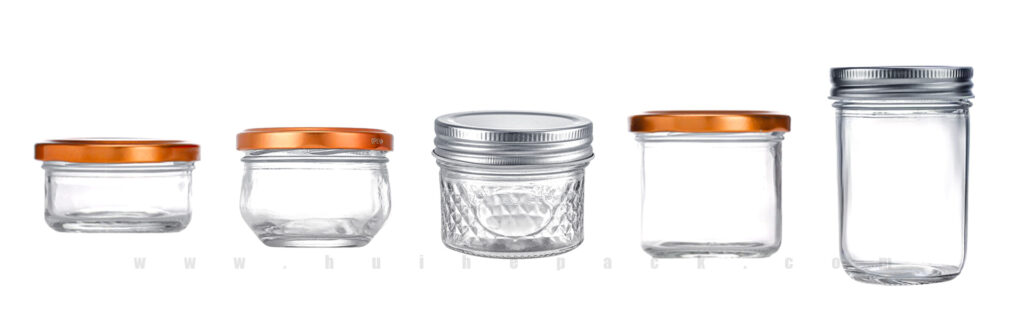
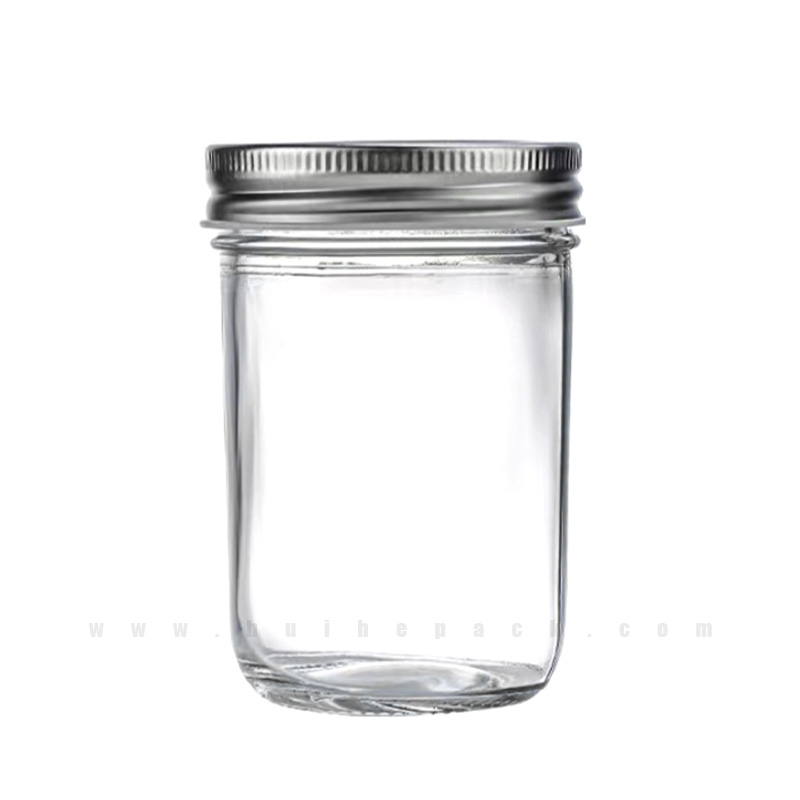
Clear glass lets customers see the roe and gives designers a stable surface for labels and decoration. For premium retail, gift assortments and gourmet shops, that visibility can support product recognition. A low-profile jar may also provide convenient access during serving, although shape and opening size should be tested with the intended utensil.
The glass body is nonporous and impermeable. The Glass Packaging Institute describes these material properties, which make glass a useful barrier container for foods and beverages. However, the seal and closure still determine important aspects of finished-pack performance. A glass jar with an unsuitable lid does not become reliable simply because its body is glass.
The main practical trade-offs are weight, impact sensitivity and light exposure through clear glass. Transport protection may require dividers or other cushioning, and a transparent pack may need a label, sleeve or carton to manage display exposure. These choices affect packing density and total cost. Compare actual jar weights and carton configurations rather than assuming that every glass option is equally heavy.
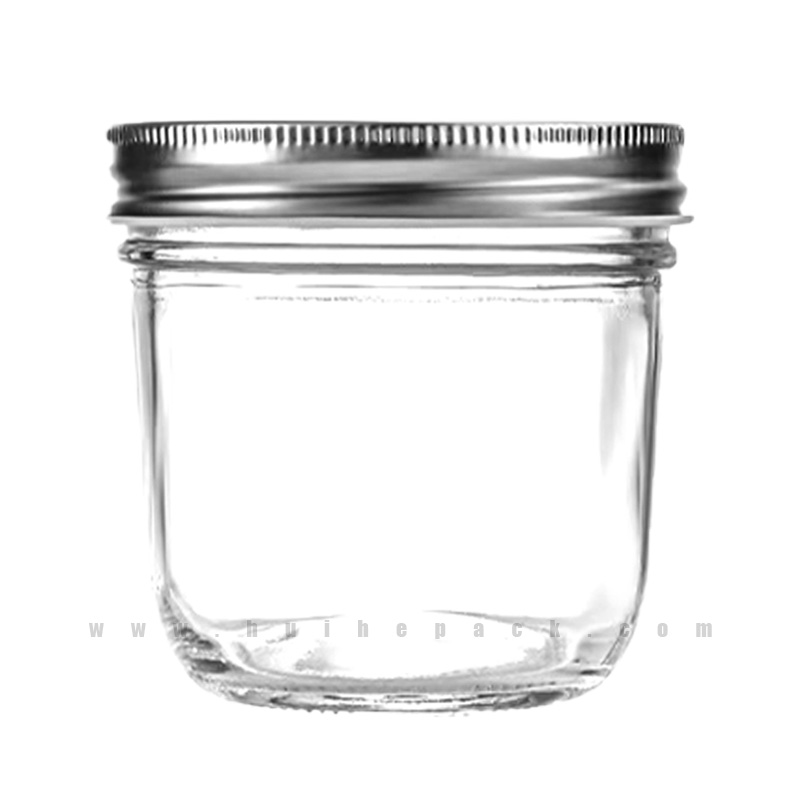
Glass is a strong candidate when visibility and presentation matter and your business can manage protective packing. Explore HUIHE PACK caviar glass jar options to compare formats, then request samples with matching closures for your own filling trials.
Metal tins: light protection and a familiar caviar format
Opaque metal tins keep light away from the contents and provide a compact presentation associated with traditional caviar service. Depending on the design, tins can fit efficiently into chilled distribution and gift packaging. Their suitability still depends on the exact construction and closing system, not on the word tin alone.
A common mistake is to say that all metal packaging gives caviar a metallic taste. Food cans can incorporate an internal coating that separates the food from the metal. Crown’s product safety documentation explains the role of can linings in preventing interaction between the metal and its contents. Buyers should check the proposed coating and its compatibility with their specific product.
Inspect coating condition, closure application and the effect of dents or handling damage on the finished pack. Ask whether the container is intended for your product composition and processing conditions, and how the supplier assesses seal integrity. Decorative tins, temporary service containers and validated food packs are different applications; do not treat them as interchangeable.
Metal may be attractive where light exclusion and an established tin presentation are priorities. Its drawbacks include limited product visibility and the need to verify food-contact coatings. Opening and reclosing behavior also vary by format. A resealable lid is convenient, but reclosing does not restore the original unopened-pack conditions.
Plastic jars and tubs: lower weight with specification-dependent performance
Plastic containers can offer lower empty-pack weight and reduce the risk of breakage during handling. For some roe products, foodservice operations or portion formats, those characteristics may be commercially useful. Clear versions can show the contents, while opaque designs can reduce light exposure.
The comparison needs to identify the resin, wall structure, lid, seal and intended temperature range. Oxygen and moisture barrier performance varies across plastic systems, and it cannot be inferred from appearance. A clear rigid tub and a multilayer barrier pack may behave very differently. Request relevant technical data rather than accepting a generic claim that plastic is airtight.
Also review food-contact documentation, resistance to deformation and compatibility with the actual filling or treatment process. Conduct sensory and packaging trials under intended storage conditions. Plastic is not automatically unsafe, just as glass is not automatically suitable for every process. The responsible food business must approve the application based on evidence.
Flexible packaging: a different handling and serving model
Pouches and other flexible formats can save space compared with rigid containers, but they change how the product is filled, displayed and served. Consider whether the product can be dispensed without damaging the roe, how the pack stands on a shelf and whether the customer needs a separate serving container.
Performance depends on the film structure, seal design and any handling protection. Confirm the available barrier data and evaluate puncture resistance, leakage and seal consistency for the intended route. A flexible format may deserve investigation for a specific operational need, but it should not be presented as a direct substitute for a retail jar or tin without product trials.
Shelf life and cold-chain controls remain product-specific
Neither glass nor metal establishes a safe shelf life on its own. Salt level, other formulation factors, processing, hygiene, sealing and time-temperature exposure all matter. Glass jars can contain different types of products and do not inherently mean that a product has been pasteurized. Similarly, an opaque tin does not prove that its contents are shelf-stable.
The FDA’s fish and fishery products guidance covers hazards and controls relevant to seafood processing, including reduced-oxygen packaging. Have your qualified team establish the applicable controls and verify shelf life. Avoid copying a storage period from another brand or promising that a packaging material extends freshness by a fixed number of days.
Compare cost and sustainability using the actual supply route
Compare the assembled pack, protective materials, decoration, filling changes, freight and expected losses. Switching container types can require new machinery or line adjustments, which may outweigh a small difference in unit price. Quote the same volumes and delivery terms, and include the cost of trials and qualification.
Environmental comparisons also need a defined scope. Glass can be recycled, but actual collection and recovery depend on the market and the pack size. Plastic and metal systems have their own collection conditions and processing routes. Weight, transport distances, recycled content and protective packaging can change the result. Avoid declaring one material universally greener without a relevant assessment.
A practical decision framework for caviar brands
Shortlist glass when a visible product and premium jar presentation support your sales strategy. Compare coated metal tins when light exclusion and a traditional format are stronger priorities. Investigate plastic or flexible systems when weight, handling or a specific foodservice requirement creates a clear commercial reason. In every case, qualify the food-contact system and finished pack.
For a glass shortlist, review our guide to choosing the right glass jar for caviar packaging. It covers capacity, fill weight, shape and sample approval. Consider the matching food jar closures at the same time, since the jar and lid need to work as a system.
HUIHE PACK can discuss glass jar formats, matching closures and decoration for your project. Share your product type, target portion, process, destination market and order requirements. Compare samples against a written brief, validate the filled package and choose the option that performs consistently from your line to your customer.