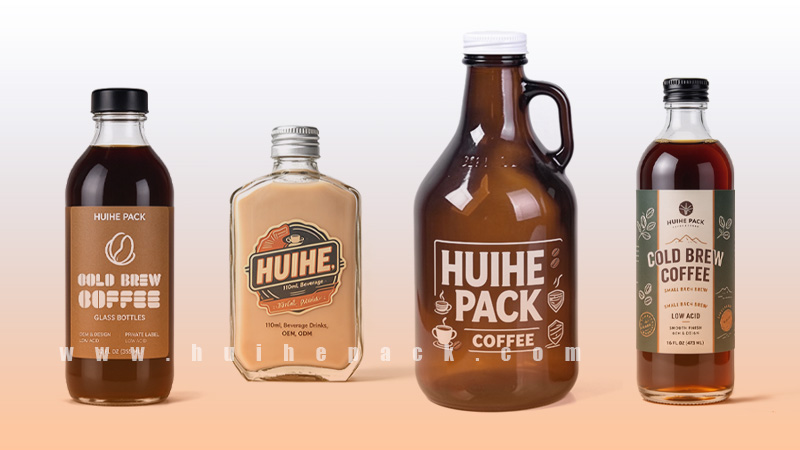
Choosing the right cold brew coffee bottle size is an important step when you develop a new coffee product. The bottle needs to hold the right amount of coffee, fit your target market, and work with your packaging budget. It should also look good on retail shelves and be easy for customers to use.
For coffee brands, roasters, and beverage manufacturers, common options include 8 oz, 12 oz, 16 oz, and 32 oz glass bottles. Each size serves a different purpose, from single-serve cold brew to family-size packs and coffee concentrate.
So, which capacity is right for your brand? Let’s compare the most common cold brew coffee bottle sizes and explore what you should consider before placing a bulk order.
What Are the Most Common Cold Brew Coffee Bottle Sizes?
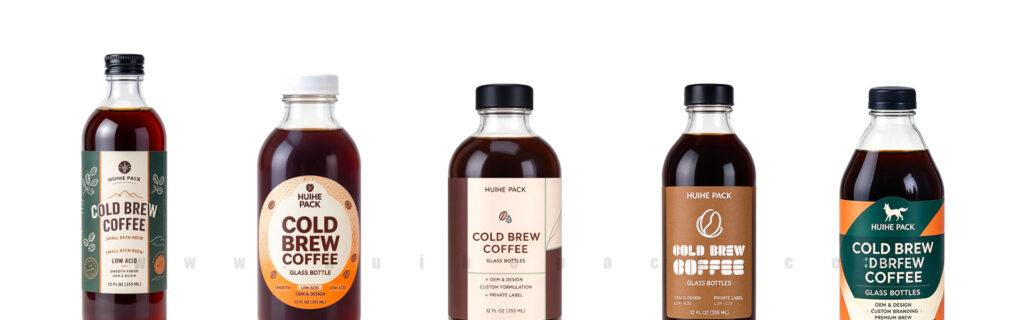
Cold brew coffee bottles come in different capacities to meet different drinking habits and sales needs. Here are four sizes worth considering when planning your product line.
| Bottle Size | Approx. Volume | Potential Applications |
| 8 oz | 237 mL | Small servings, tasting packs, specialty coffee |
| 12 oz | 355 mL | Single-serve ready-to-drink cold brew |
| 16 oz | 473 mL | Larger single servings or take-home coffee |
| 32 oz | 946 mL | Multi-serve drinks, family-size packs, concentrate |
These sizes are useful starting points, not fixed industry standards. Your ideal bottle capacity depends on your recipe, serving recommendations, and target customers.
8 oz Cold Brew Coffee Bottles
An 8 oz glass bottle is a good option when you want a compact, premium product. It can work well for tasting sets, specialty coffee lines, and smaller ready-to-drink servings.
This size may also suit brands that use high-quality beans or distinctive brewing methods and want to offer customers a smaller portion. Its compact shape can be convenient for chilled displays and gift packs, depending on the bottle design.
Before choosing an 8 oz bottle, consider whether the volume matches your product’s intended serving size and retail price.
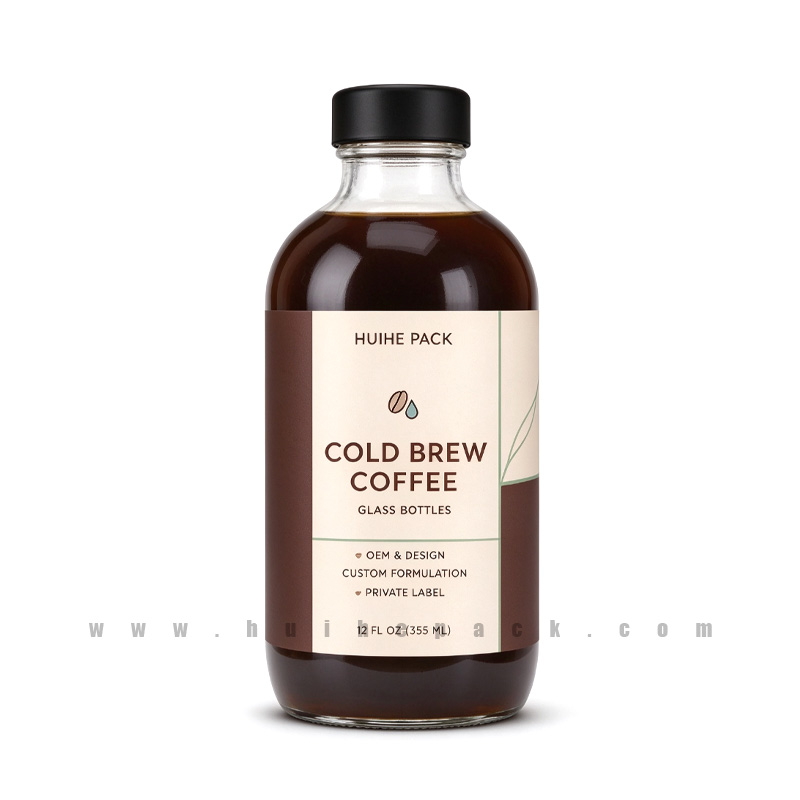
12 oz Cold Brew Coffee Bottles
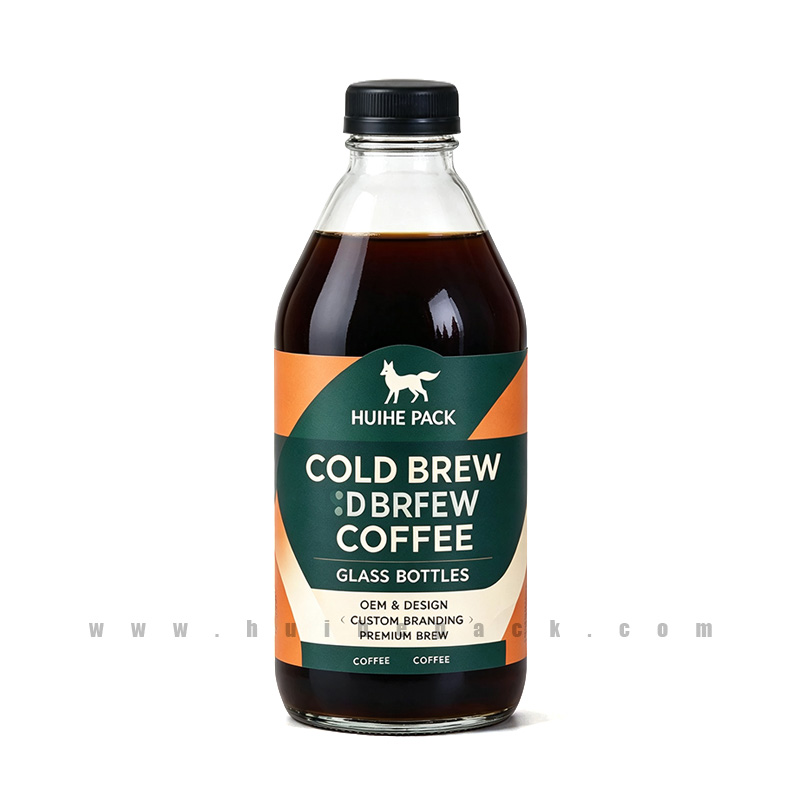
A 12 oz cold brew bottle offers a familiar single-serve format for many beverage brands. It can suit ready-to-drink cold brew sold through coffee shops, specialty retailers, and other beverage outlets.
If your customers usually buy one bottle for one drinking occasion, this capacity is worth considering. It gives you a practical starting point for developing a retail-ready product.
You should also check the bottle’s height, diameter, and label area to make sure it fits your shelf display and branding needs.
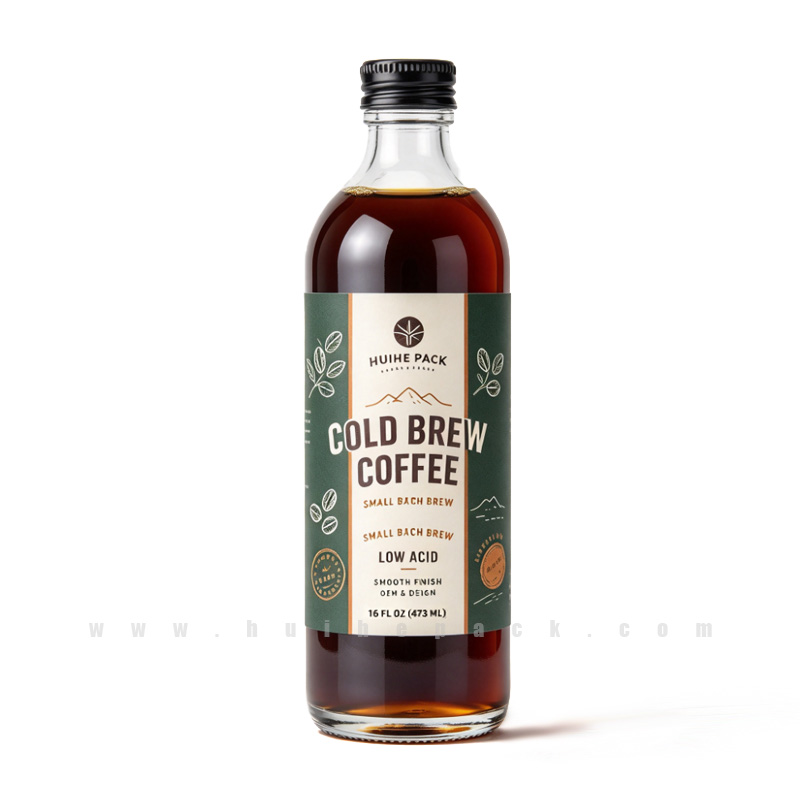
16 oz Cold Brew Coffee Bottles
A 16 oz glass bottle works well when you want to offer a larger serving or a product customers can enjoy over more than one sitting.
It may appeal to customers who drink cold brew regularly or prefer to keep a larger bottle at home. For brands, this size can help create a different product tier without changing the coffee recipe.
However, a larger bottle does not always mean better value. You need to consider the retail price, packaging cost, storage space, and how quickly customers are expected to consume the product after opening.
32 oz Cold Brew Coffee Bottles
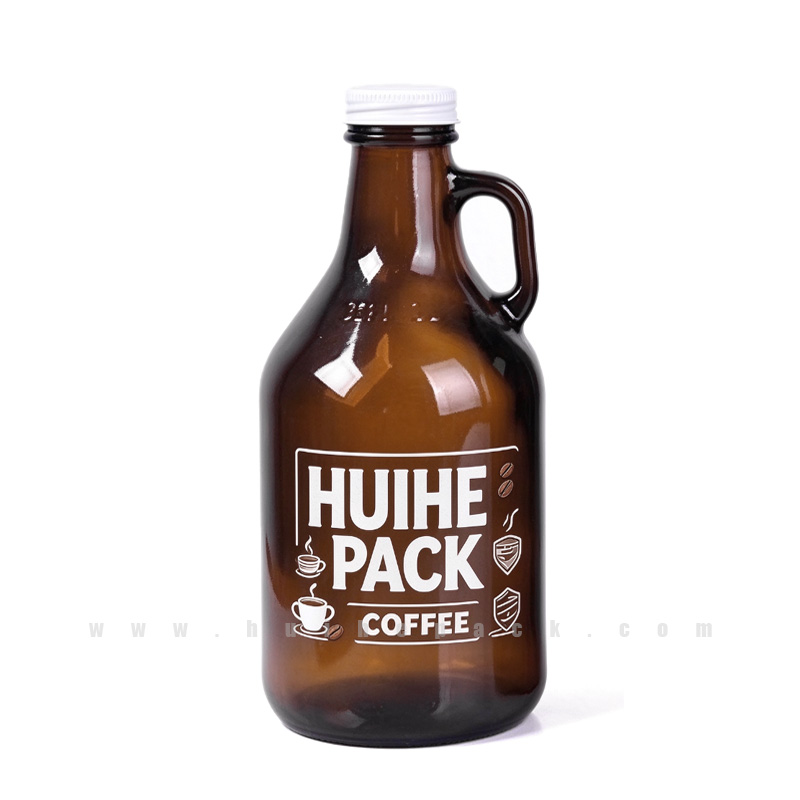
A 32 oz bottle is worth considering for multi-serve cold brew, family-size products, and certain concentrate formats.
This size can work for customers who prefer to pour several servings from one bottle. It may also suit online grocery orders, subscription products, and foodservice applications.
For coffee concentrate, make sure you clearly communicate the recommended dilution ratio and number of servings. A 32 oz bottle of concentrate can provide a different number of finished drinks than a 32 oz bottle of ready-to-drink coffee.
Cold Brew Bottles for Ready-to-Drink Coffee vs. Concentrate
Before selecting a bottle size, decide whether your product is ready-to-drink cold brew or coffee concentrate. These products serve different needs, so their packaging requirements may also differ.
Ready-to-drink cold brew is designed to be consumed as sold. You should choose a bottle capacity based on the intended serving size, drinking habits, and sales channel. Sizes such as 8 oz, 12 oz, and 16 oz may be suitable starting points.
Cold brew concentrate is intended to be diluted before drinking, depending on the recipe. A larger bottle may offer more servings without requiring customers to buy multiple small bottles.
For example, if you have 16 oz of concentrate and recommend mixing one part concentrate with three parts water, you can make approximately 64 oz of finished coffee. The actual yield depends on your recipe and dilution instructions.
You should also consider shelf life, filling conditions, closure performance, and storage requirements. The right glass bottle must suit your product and production process, not just its volume.
How to Choose the Right Cold Brew Bottle Size for Your Brand
Bottle capacity affects more than how much coffee each container holds. It can influence your product positioning, packaging costs, and customer experience.
Consider Your Target Customers
Think about how your customers will drink your cold brew. Do they want a quick drink on the way to work, a premium coffee for a short break, or a larger bottle to enjoy at home?
A smaller bottle may suit a single serving or specialty product. A larger size may be more practical for regular coffee drinkers and multi-serve products.
Your serving recommendation should guide your decision. Avoid choosing a bottle based on volume alone.
Match the Bottle Size to Your Sales Channel
Different sales channels have different packaging needs.
- Coffee shops: Consider convenient single-serve sizes that are easy to chill, display, and carry.
- Retail stores: Check shelf dimensions, cooler space, product visibility, and price positioning.
- E-commerce: Consider shipping weight, carton dimensions, and protection against breakage.
- Foodservice: Look at daily usage, storage efficiency, and the time needed to handle each container.
If you plan to sell through several channels, start with the one most important to your business. You can expand your range once you understand customer demand.
Balance Packaging Cost and Retail Price
A smaller bottle may cost less per unit, but it can require more bottles to package the same amount of coffee. Larger bottles may reduce packaging use per ounce, but they can also increase shipping weight and take up more space.
When comparing cold brew glass bottles, consider the full packaging cost, including the bottle, closure, label, outer carton, shipping, and expected breakage.
The goal is to find a bottle capacity that supports your retail price and profit margin while still meeting customer expectations.
Plan Your Product Range
If you are launching a new cold brew brand, it may be easier to begin with one core bottle size. This keeps your initial packaging inventory and product development more manageable.
Once you have sales data, you can consider adding a smaller premium option, a larger take-home bottle, or a concentrate format.
If you want a consistent look across your product line, ask your glass bottle supplier about available sizes and whether compatible designs or closures can be used across different products.
Don’t Overlook Bottle Shape, Closures, and Labels
Capacity is only one part of your packaging decision. The bottle’s design also affects usability, shelf appeal, and production efficiency.
Bottle shape and dimensions: A tall, slim bottle may look different from a short, wide bottle, even when both hold the same volume. Check the actual height and diameter before deciding which format works best for your shelves and shipping cartons.
Glass color: Clear glass lets customers see the coffee, which can support a clean, premium presentation. Amber glass may help reduce light exposure, but the level of protection depends on the glass and the wavelengths involved. Choose based on your product’s light sensitivity and storage needs.
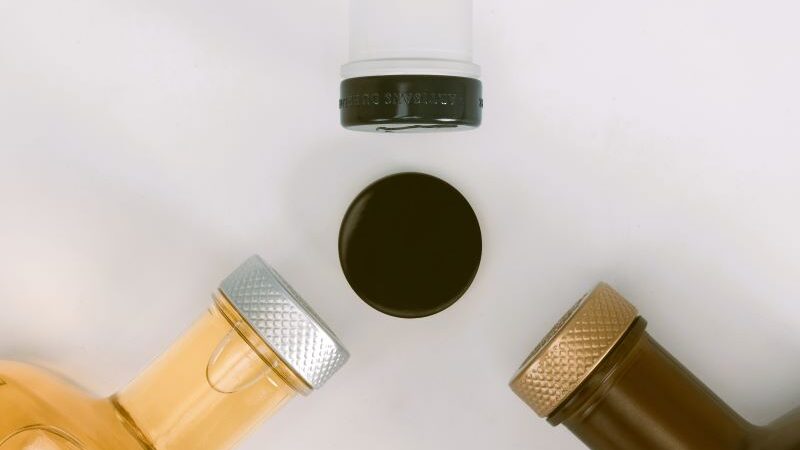
Closures: Make sure the cap matches the bottle’s neck finish and your filling process. You should also verify sealing performance and compatibility with the product.
Label design: Leave enough space for your logo, product name, ingredients, and required product information. A well-planned label helps your bottle look professional and makes the product easier to identify.
For carbonated or nitrogen-infused products, confirm that the bottle and closure are suitable for the actual pressure and processing conditions.
What to Check Before Ordering Wholesale Cold Brew Glass Bottles
Once you have selected a target capacity, confirm the packaging details before placing a bulk order.
- Bottle capacity and dimensions: Check the nominal volume, height, diameter, and filling requirements.
- Glass weight and color: Make sure the bottle fits your product positioning and handling needs.
- Neck finish and closure: Confirm compatibility with your cap and filling equipment.
- Customization options: Ask about labeling, printing, and other available decoration methods.
- Minimum order quantity: Check whether the supplier’s MOQ fits your launch plan.
- Samples and lead time: Evaluate samples and confirm the expected production schedule.
- Shipping protection: Review carton configuration and protective packaging to help reduce breakage during transport.
Working with an experienced glass packaging supplier can help you compare available options before committing to a large order. It also gives you a chance to confirm whether the selected bottle fits your production line and branding requirements.

FAQs About Cold Brew Coffee Bottle Sizes
What size bottle is best for ready-to-drink cold brew?
A 12 oz or 16 oz bottle can be a useful starting point for single-serve cold brew. The best choice depends on your recipe, recommended serving size, retail price, and target customers.
Is a 12 oz or 16 oz cold brew bottle better for retail?
Both can work well. A 12 oz bottle may suit a smaller single serving, while a 16 oz bottle offers more coffee per container. Compare shelf space, packaging cost, and customer preferences before choosing.
What bottle size is suitable for cold brew concentrate?
A 16 oz or 32 oz bottle may suit concentrate products, depending on the dilution ratio and intended number of servings. Make sure the label clearly explains how to prepare the drink.
Can I order custom glass bottles for my cold brew brand?
Yes, depending on the supplier’s available designs, customization services, MOQ, and production capabilities. Before ordering, confirm the bottle dimensions, closure compatibility, decoration options, and sample availability.
Choose the Right Glass Bottle for Your Cold Brew Brand
The right cold brew coffee bottle size depends on your product, target customers, sales channels, and packaging budget. An 8 oz bottle may suit a compact specialty product, while 12 oz and 16 oz bottles can work for ready-to-drink coffee. A 32 oz format may be a better fit for multi-serve products or certain concentrates.
At HUIHE PACK, we understand that every coffee brand has different packaging needs. We can help you explore glass bottle capacities, shapes, closures, and customization options for your product.
Looking for wholesale cold brew glass bottles? Contact HUIHE PACK to discuss your packaging requirements and find a suitable solution for your brand.