
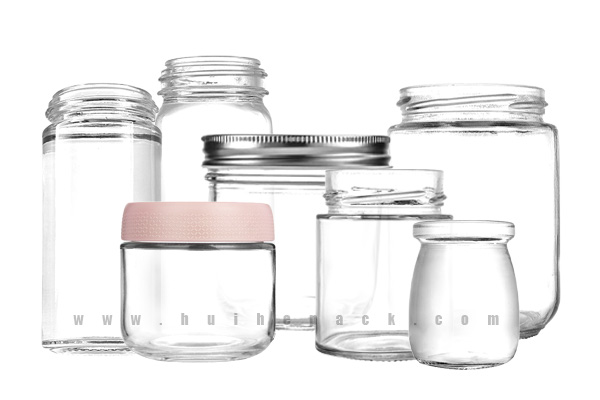
A food packaging minimum order quantity, or MOQ, is the smallest quantity a supplier accepts for a defined order. The important word is defined: a minimum may apply to a container design, color, decoration, closure or production run. Asking only “What is your MOQ?” often produces a number that is impossible to compare fairly.
For a new food brand, the objective is to secure enough suitable packaging without tying up excessive cash or storage space. This guide explains how to build a complete request for quotation, understand the separate minimums inside a packaging project and choose an order structure that fits realistic demand.
There is no universal food packaging MOQ
Minimum quantities depend on the supplier’s operating model, available inventory and the specification you request. A distributor selling existing stock may offer a different order structure from a factory scheduling a new production run. Neither arrangement is inherently better; they serve different purchasing needs.
A published minimum also may not cover your chosen size, cap or finish. Confirm whether it applies per item, per color, per artwork version or across a mixed order. Ask for the minimum selling unit as well, because a quotation might require full cartons or pallets even when the stated piece minimum appears smaller.
When reviewing glass food jars, provide an item reference and expected quantity. If you have not selected a format, explain the product and filling process so the supplier can propose suitable stock options before discussing customization.
Stock containers usually simplify the first conversation
An existing container avoids the need to develop an entirely new shape, but “stock” does not always mean immediately available in your required quantity. Inventory may change, and the compatible closure could have a different availability date. Request written confirmation of both the container and accessory supply.
For a trial launch, standard glass combined with a suitable label can preserve flexibility. You can refine artwork after learning from actual sales, while retaining an approved bottle or jar. Check the label panel dimensions and sample appearance before assuming that every standard shape will support your branding.
Stock also involves tradeoffs. Other brands may use the same shape, and unusual capacity or neck requirements may not be available. Compare these limitations against the cash and timing commitments of a custom design rather than treating customization as a necessary first step.
Custom projects contain several separate minimums
A custom container can involve design work, tooling, sampling and a production allocation. Decoration may then introduce another minimum based on setup, colors or artwork versions. The cap supplier and carton printer may each have their own batch requirements.
These quantities do not necessarily align. You might receive more caps than bottles, or need to order spare cartons for a later delivery. Ask who owns the surplus, how it will be stored and whether it remains usable if the design changes. Include any storage charges or expiry considerations for relevant components.
| Order element | What to clarify | Potential inventory issue |
|---|---|---|
| Glass container | Minimum per design, size and color | Slow-moving capacity variants |
| Closure | Minimum per finish, liner and color | Caps left after bottle stock runs out |
| Decoration | Minimum per artwork or print setup | Obsolete branded inventory |
| Carton | Minimum per printed specification | Packaging that no longer matches the label |
For food jar accessories, specify the complete closure reference. A cheaper cap with a different liner is not an equivalent quotation merely because the nominal diameter matches.
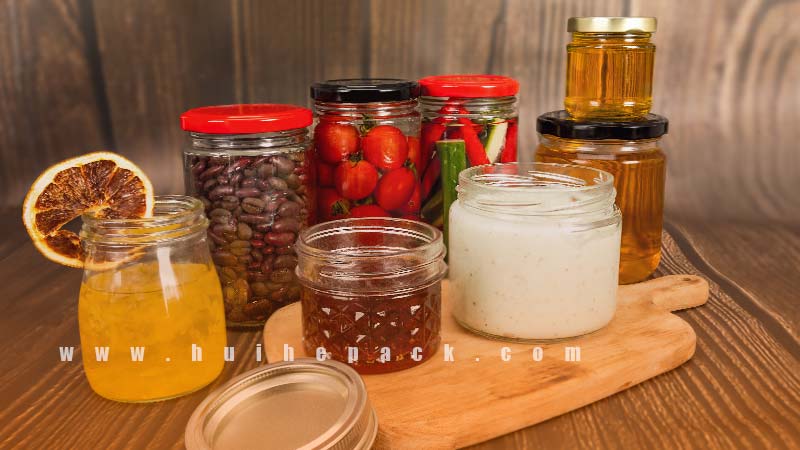
Compare delivered cost per usable pack
A low unit price may require an order much larger than your near-term demand. It can also exclude closures, decoration, freight, import charges or protective packing. Request an itemized quotation and an explicit delivery basis so that competing offers cover comparable responsibilities.
A useful working calculation is total project cost divided by the number of usable complete packs. Include one-time costs separately so you can distinguish launch economics from repeat-order economics. For imported packaging, have the relevant logistics and customs costs estimated for the actual route rather than applying an unsupported flat percentage.
Also consider warehouse handling and expected losses based on your own experience or trial evidence. Do not assume an arbitrary breakage allowance is adequate. If quality acceptance requires sorting or rework, clarify the commercial process for handling that situation before approving a shipment.
Translate the minimum into months of stock
Suppose a supplier offers an illustrative minimum of 12,000 jars and your forecast is 2,000 filled units per month. The order represents six months of consumption before considering changes in demand or production losses. This is a planning example, not a HUIHE PACK minimum or a recommended stock level.
Run a slower-sales scenario as well as your main forecast. If sales reach only half the forecast, the same order lasts much longer and occupies space that another product might need. Compare the cash commitment with the value of a smaller initial order, even when its unit price is higher.
Separate packaging replenishment time from the food’s shelf life. Empty glass may remain in storage, but labels, liners and other components have their own storage requirements. Keep packaging clean, protected and traceable, and follow the supplier’s documented conditions.
Reduce complexity before negotiating quantity
One practical way to improve order flexibility is to reduce unnecessary variations. Several recipes may share an approved jar and closure while using different labels. This can concentrate demand into fewer container references and reduce the chance of having the wrong size in stock.
However, never combine specifications solely to meet a minimum. Each food and process must remain suitable for the selected package. The decoration options you choose should support clear product identification and any applicable labeling requirements.
Ask whether staged deliveries, a stock format or a later decoration step are commercially available. Such arrangements depend on supplier agreement; they are not automatic entitlements. Record payment timing, ownership, reserved quantity and the consequences of canceling a later delivery.
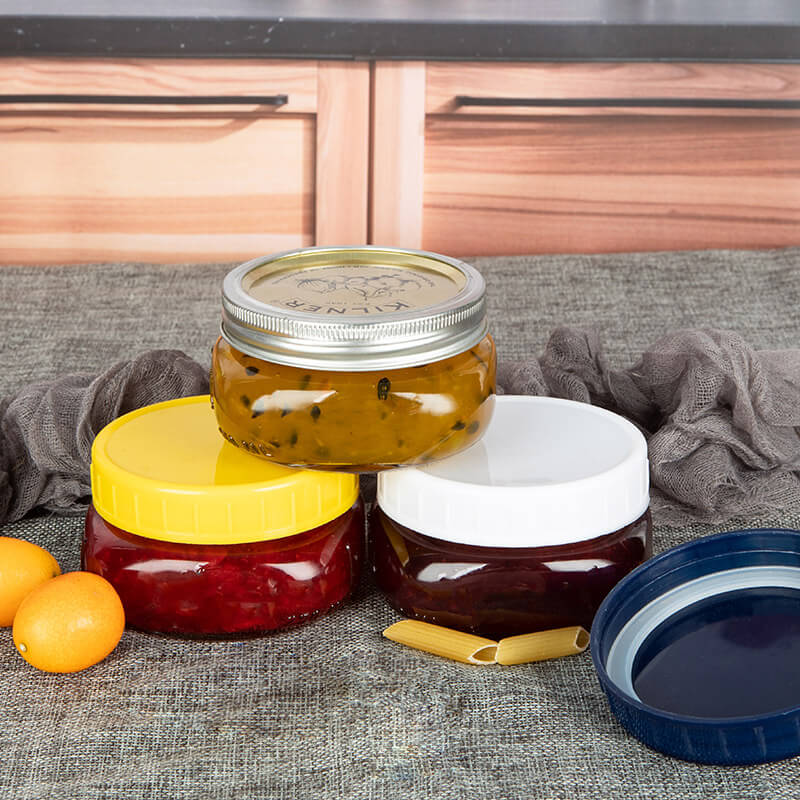
Validate samples before releasing the volume order
A sample is most useful when it represents the intended production specification. Confirm the drawing, neck finish, closure and decoration version. Trial filling, capping, opening, storage and transport as appropriate to your product. Keep an approved reference and written acceptance criteria for the order.
If the sample is only a shape demonstration, record what remains unverified. Do not assume a hand-finished sample establishes production consistency or that an empty-container inspection proves filled-food shelf life. Agree on the remaining checks and who is responsible for them.
Send a quotation brief suppliers can answer
- Food type, destination market and intended filling process.
- Required capacity, dimensions and preferred existing item reference.
- Closure, liner, tamper evidence and decoration requirements.
- Trial quantity, first commercial quantity and realistic repeat demand.
- Delivery destination, target timing and packing requirements.
- Required documents, samples and quality acceptance process.
Ask each supplier to show the minimum for every component, the lead time after approval and the assumptions behind the price. Keep tooling and recurring charges separate. This turns an unclear MOQ discussion into a comparison your purchasing and operations teams can actually use.
Choose an order your business can absorb
The best minimum is not necessarily the smallest number or the lowest unit price. It is a quantity that balances validated packaging performance, reliable supply and manageable inventory. Share your forecast and product requirements with HUIHE PACK when discussing food packaging, and request a project-specific quotation rather than assuming one MOQ applies to every jar and accessory.