
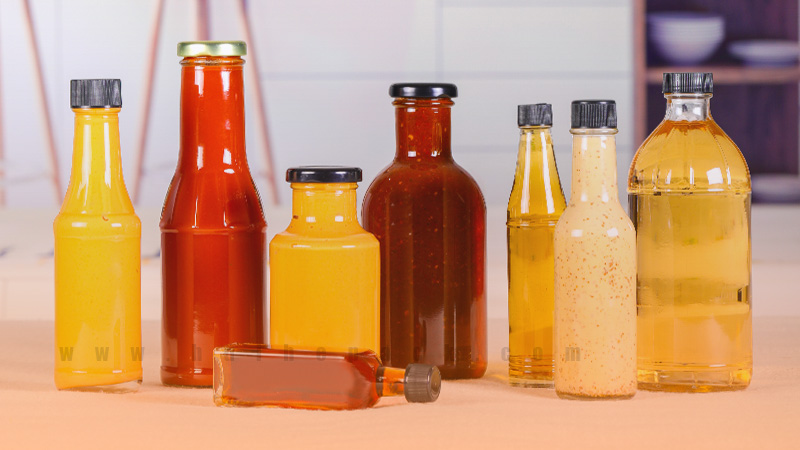
Whether you’re launching a new hot sauce, expanding a ketchup product line, or developing a premium chili sauce, choosing the right sauce bottle size is more important than many brands realize. The bottle you select influences shelf appeal, filling efficiency, shipping costs, and how customers use your product.
Different sauces have different packaging needs. A gourmet chili sauce is often sold in a small glass bottle to emphasize quality, while family-size ketchup or BBQ sauce typically requires a larger capacity. Understanding these differences helps you create packaging that fits your product and your market.
In this sauce bottle size guide, you’ll learn the most common glass sauce bottle sizes, how to choose the right capacity for different types of sauces, and what to consider before placing a wholesale order.
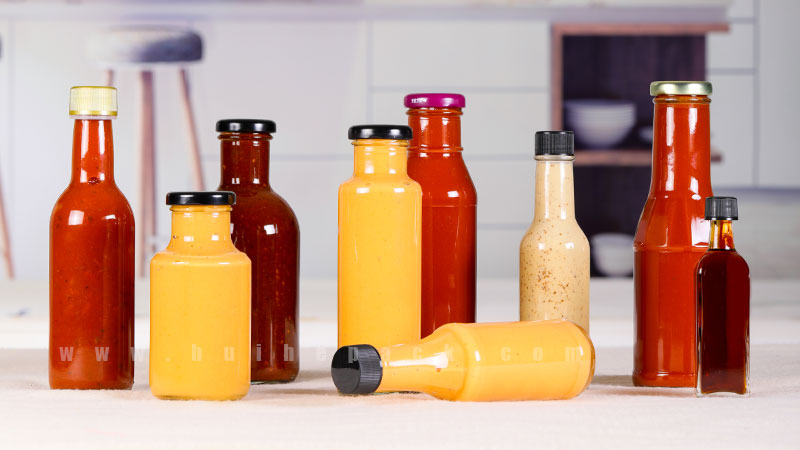
Common Sauce Bottle Sizes and Capacities
There is no universal bottle size for every sauce. The best choice depends on your product type, target customers, pricing strategy, and sales channel. The table below shows some of the most commonly used glass sauce bottle sizes in the food industry.
| Bottle Capacity | Approx. Volume | Common Applications |
| 2 oz (60 ml) | Sample Size | Hot sauce samples, gift sets, trial products |
| 5 oz (150 ml) | Small Retail | Hot sauce, chili sauce, specialty sauces |
| 8 oz (250 ml) | Standard Retail | Hot sauce, ketchup, salad dressing, cooking sauces |
| 12 oz (350 ml) | Popular Retail | BBQ sauce, pasta sauce, marinades |
| 16 oz (500 ml) | Family Size | Ketchup, cooking sauces, dipping sauces |
| 24 oz (700 ml) | Foodservice | Restaurant sauces, bulk condiments |
| 32 oz (1000 ml) | Commercial | Catering, industrial food production |
While these capacities are widely used, you don’t have to follow standard sizes. Many food brands choose custom glass sauce bottles to create a unique shelf presence or meet specific filling requirements.
How to Choose the Right Sauce Bottle Size?
The right sauce bottle size should match both your product and your customers’ expectations. Before selecting a bottle, think about how the sauce is used, how often customers buy it, and where it will be sold.
Hot Sauce & Chili Sauce
Hot sauce and chili sauce are usually consumed in small amounts, so oversized bottles often stay on the shelf too long after opening. Smaller bottles also help communicate a premium image and encourage customers to try new flavors.
Recommended bottle sizes:
- 2 oz (60 ml) for sampler packs
- 5 oz (150 ml) for specialty hot sauces
- 8 oz (250 ml) for regular retail products
Many artisan brands also prefer tall, narrow glass bottles because they offer better pouring control and make labels stand out.
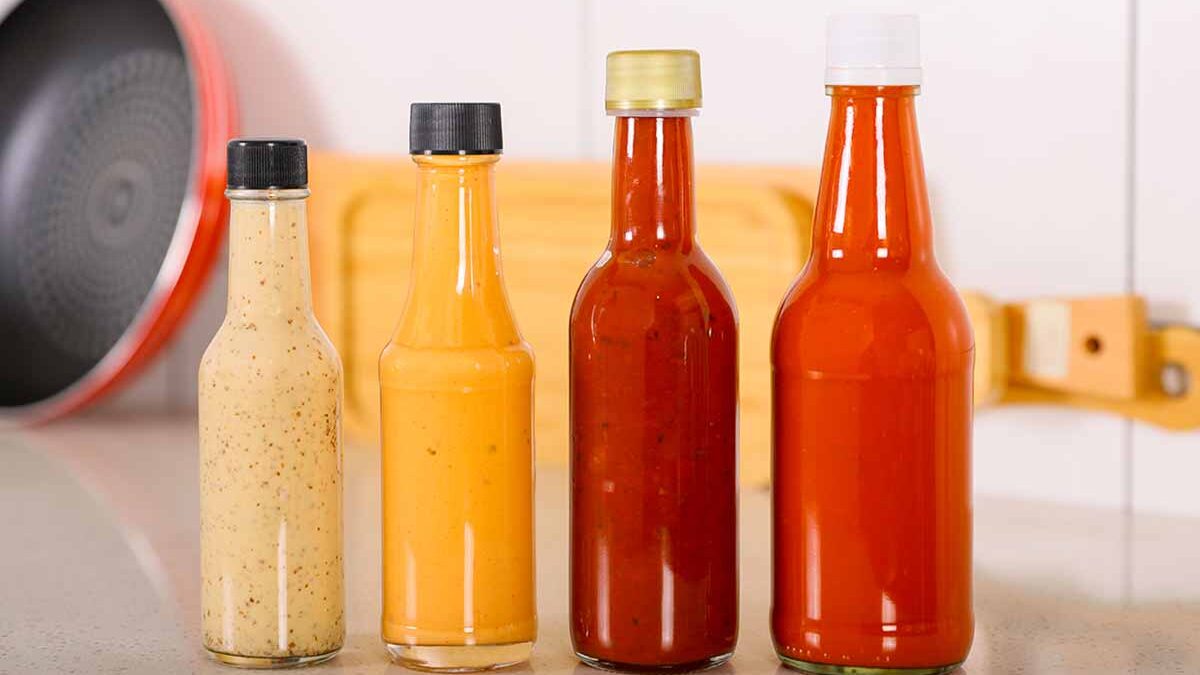
Ketchup & Tomato Sauce
Ketchup is one of the highest-volume condiments in most households. Consumers expect practical packaging that is easy to hold, pour, and store.
Recommended bottle sizes:
- 8 oz (250 ml) for convenience stores
- 12 oz (350 ml) for standard retail
- 16 oz (500 ml) for family use
If you’re targeting supermarkets, these sizes usually offer the best balance between price and convenience.
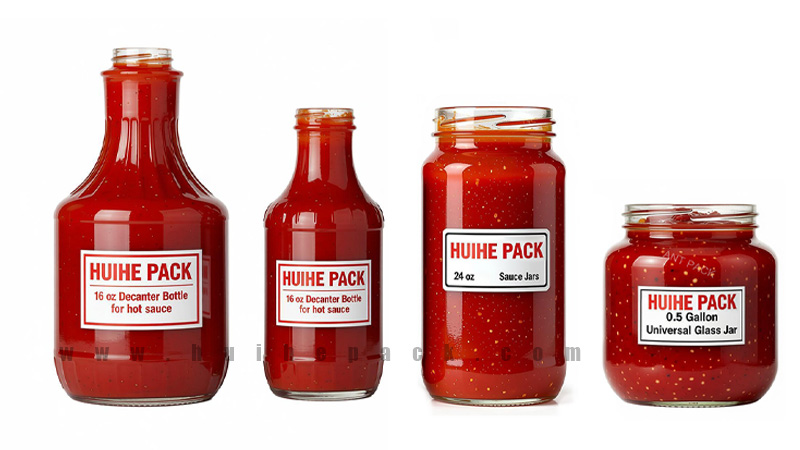
BBQ Sauce & Marinades
BBQ sauces and marinades are often used during cooking rather than as table condiments. Customers typically buy larger bottles because each meal requires more product.
Recommended bottle sizes:
- 12 oz (350 ml)
- 16 oz (500 ml)
- 24 oz (700 ml)
Larger bottles also reduce packaging cost per serving, making them popular for value-focused brands.
Salad Dressings & Specialty Sauces
Salad dressings, infused oils, gourmet sauces, and other specialty products benefit from packaging that highlights quality. Clear glass sauce bottles allow customers to see the product, helping premium ingredients stand out.
Recommended bottle sizes:
- 8 oz (250 ml)
- 12 oz (350 ml)
- 16 oz (500 ml)
For premium collections, many brands also choose custom bottle shapes or decorative finishes to strengthen their brand identity.
Popular Sauce Bottle Sizes for Different Markets
The same sauce may require different packaging depending on where it will be sold. Choosing the right capacity for your target market improves customer satisfaction while reducing unnecessary packaging costs.
| Market | Popular Bottle Sizes | Typical Products |
| Retail Stores | 8 oz, 12 oz, 16 oz | Ketchup, hot sauce, chili sauce, BBQ sauce |
| Restaurants & Foodservice | 16 oz, 24 oz, 32 oz | Bulk condiments, cooking sauces |
| Gourmet & Premium Brands | 5 oz, 8 oz, 12 oz | Artisan sauces, organic products, specialty seasonings |
| Sample & Promotional Products | 2 oz, 5 oz | Trial packs, gift boxes, promotional launches |
Based on HUIHE PACK’s experience serving food packaging customers, 250 ml and 500 ml glass sauce bottles remain two of the most requested sizes for retail brands. They are suitable for a wide range of products, easy to label, and efficient for shipping and shelf display.
Sauce Bottle Dimensions You Should Know Before Ordering
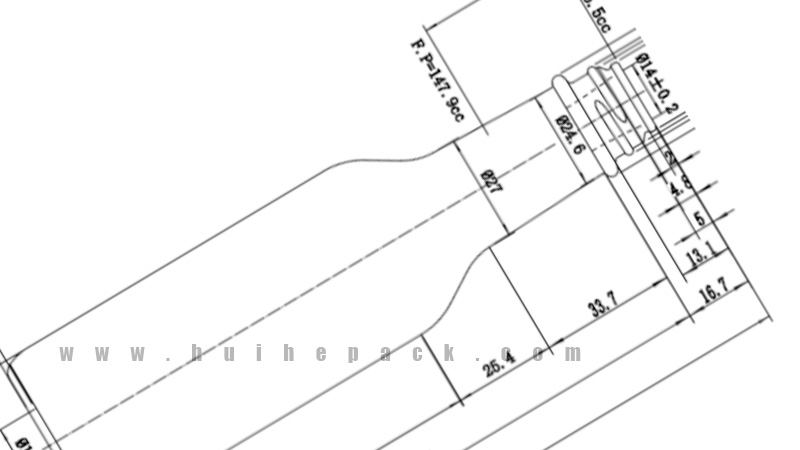
Bottle capacity is only one part of the equation. Before placing a wholesale order, you should also consider the bottle’s physical dimensions. These details affect your filling line, label design, shipping cartons, and even how your product looks on the shelf.
Bottle Height
Bottle height influences shelf presentation and packaging efficiency. Taller bottles often create a premium look, while shorter bottles are easier to pack and transport.
If your products will be displayed in supermarkets or retail stores, make sure the bottle height fits standard shelving and display racks.
Bottle Diameter
The diameter determines how much label space you have and how stable the bottle feels in your customer’s hand.
A wider bottle offers a larger labeling area for branding and product information, while a slimmer bottle creates a modern appearance and saves shelf space.
Neck Finish
The neck finish must match your closure and filling equipment. Common neck finishes for glass sauce bottles include screw necks designed for metal caps, plastic caps, or dispensing closures.
Before mass production, always confirm that the bottle, cap, and sealing method work together to avoid compatibility issues.
Tip: Two bottles with the same 250 ml capacity can have very different dimensions depending on their shape and glass weight. Always request technical drawings before production.
Glass Sauce Bottles vs Plastic Sauce Bottles
Both glass and plastic bottles are widely used for sauce packaging. The right choice depends on your product positioning, budget, and target market.
| Feature | Glass Sauce Bottles | Plastic Sauce Bottles |
| Brand Appearance | Premium and high-end | Practical and economical |
| Product Visibility | Excellent clarity | Good, depending on material |
| Flavor Protection | Excellent | Good |
| Chemical Resistance | Excellent | Varies by plastic type |
| Sustainability | Highly recyclable | Recyclable, but lower reuse value |
| Best For | Premium food brands, gourmet sauces | Mass-market products, squeeze bottles |
For gourmet foods, organic products, and specialty chili sauce, many brands prefer glass sauce bottles because they deliver a premium appearance and help preserve flavor over time. Glass also supports a more sustainable brand image, which is increasingly important to today’s consumers.
Plastic bottles remain a popular choice for squeeze ketchup and other high-volume products where convenience and lower packaging costs are priorities.
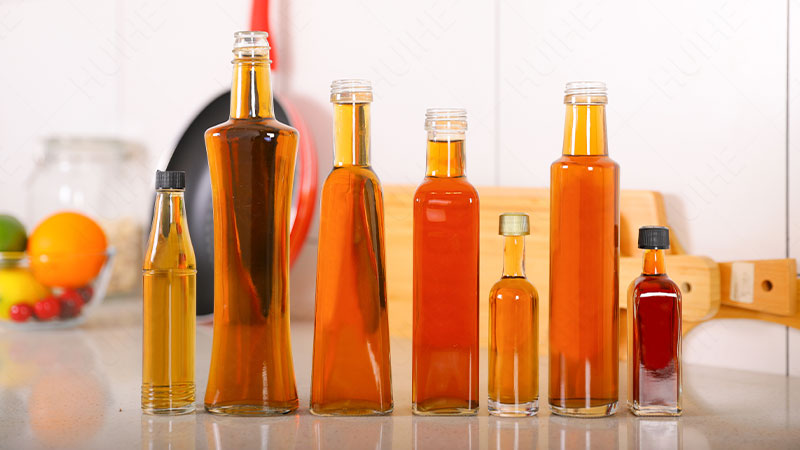
Common Glass Sauce Bottle Shapes and Their Applications
The shape of a glass sauce bottle does more than define its appearance. It affects pouring control, shelf presence, labeling space, and packing efficiency. Choosing the right bottle style helps your sauce perform better in both retail and foodservice markets.
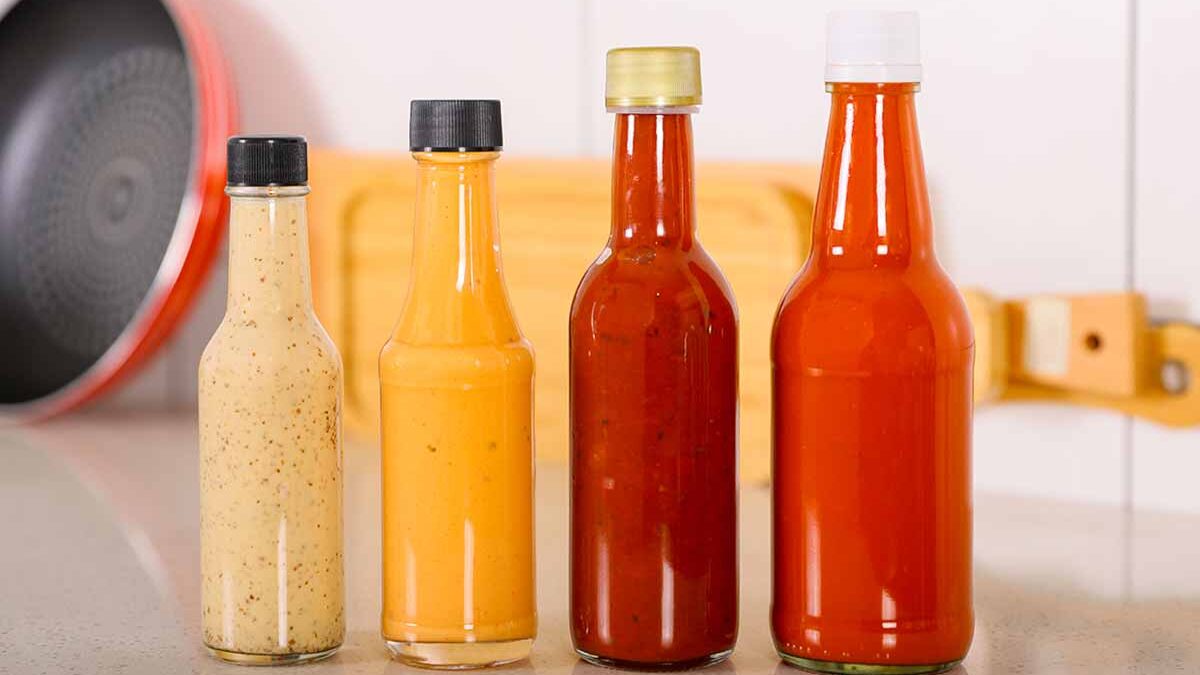
Woozy Bottles
The Woozy bottle is the industry standard for hot sauce bottles and chili sauce bottles. Its tall, slim profile and narrow neck provide excellent pouring control, making it easy to dispense small amounts without waste.
Best for:
- Hot sauce
- Chili sauce
- Pepper sauce
- Vinegar-based sauces
- Specialty condiments
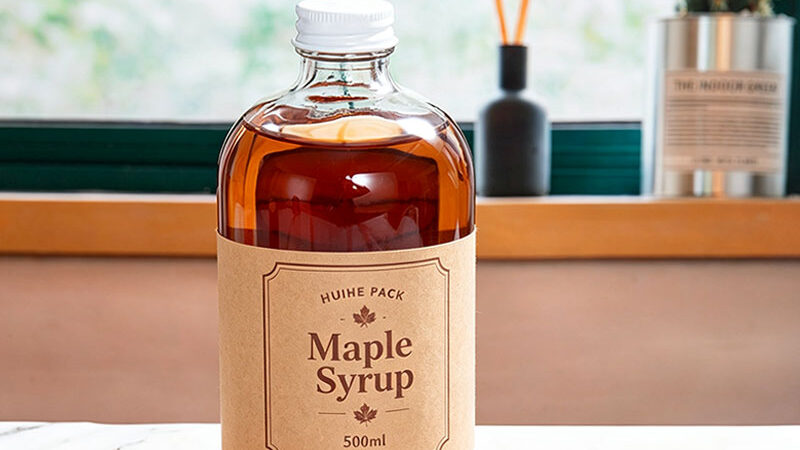
Boston Round Bottles
Boston round bottles feature rounded shoulders and a smooth cylindrical body. They offer a clean, timeless appearance and are widely used for sauces that require versatile packaging.
Best for:
- Cooking sauces
- Marinades
- Salad dressings
- Syrups
- Specialty food products
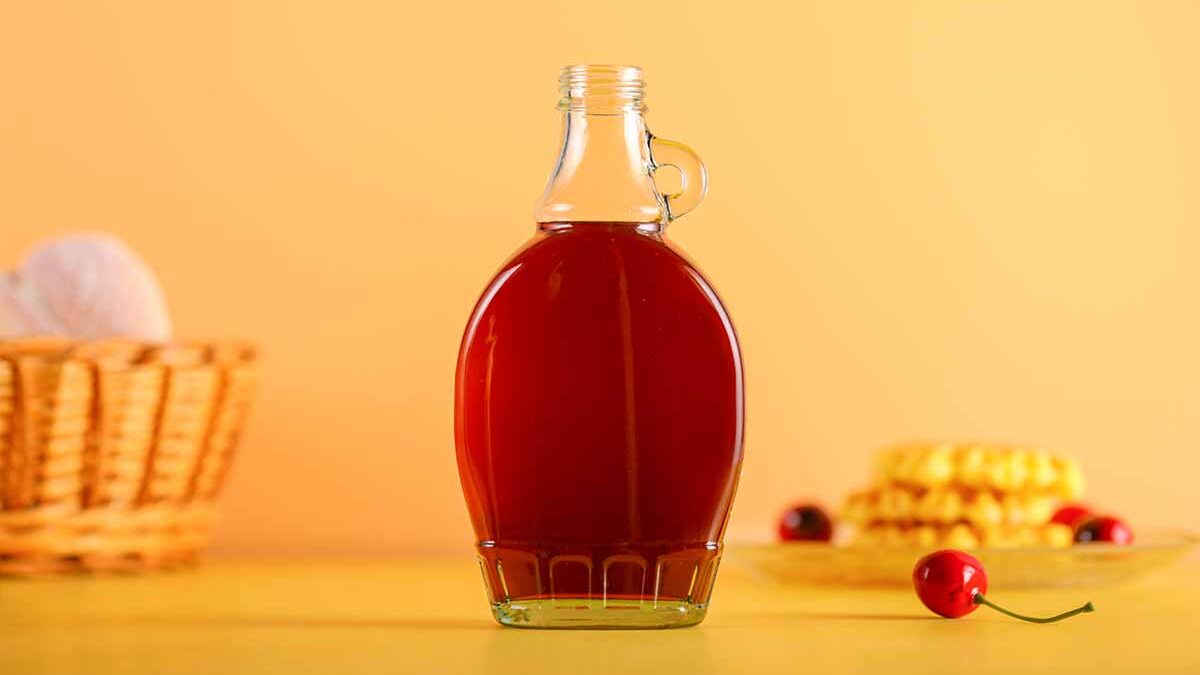
Flat Bottles
Flat bottles have a wide front panel and a slim side profile, making them ideal for premium labeling. Their elegant shape is popular for products where presentation is just as important as functionality.
Best for:
- Maple syrup
- Pancake syrup
- Honey syrup
- Gourmet sauces
- Premium gift packaging
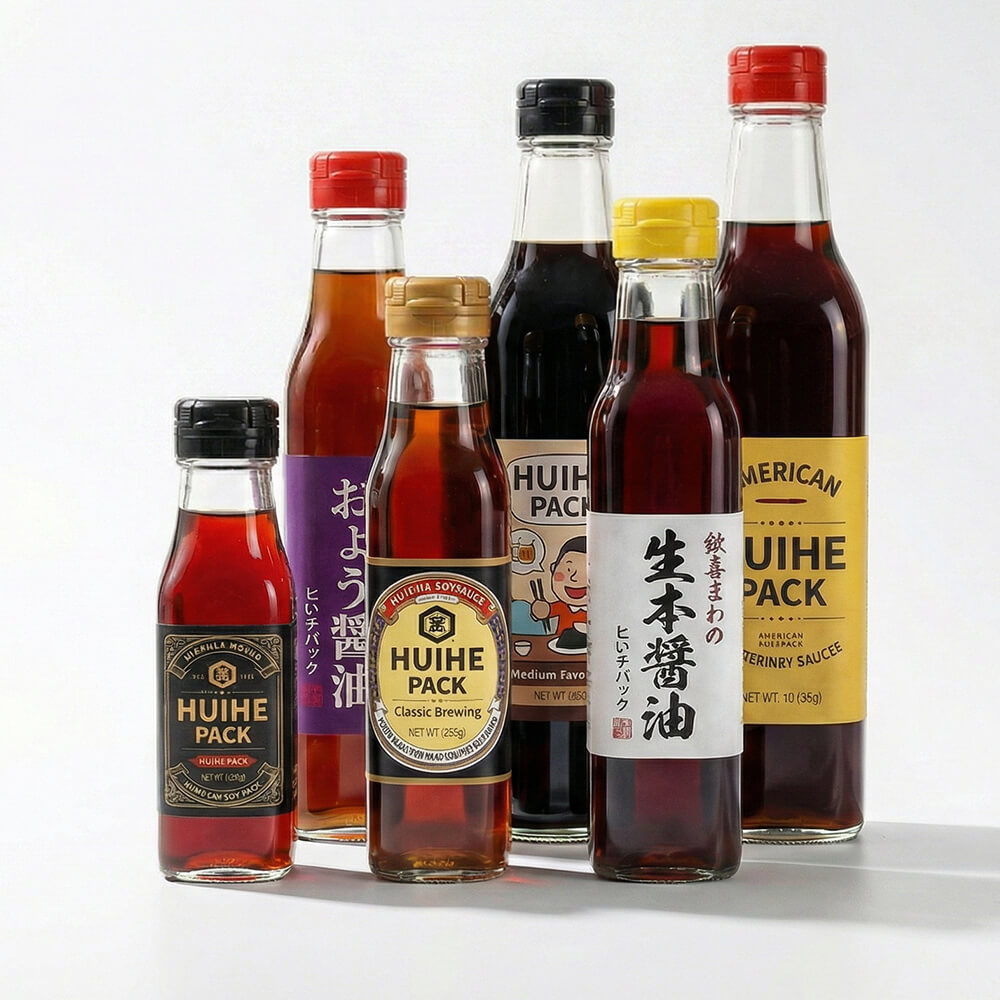
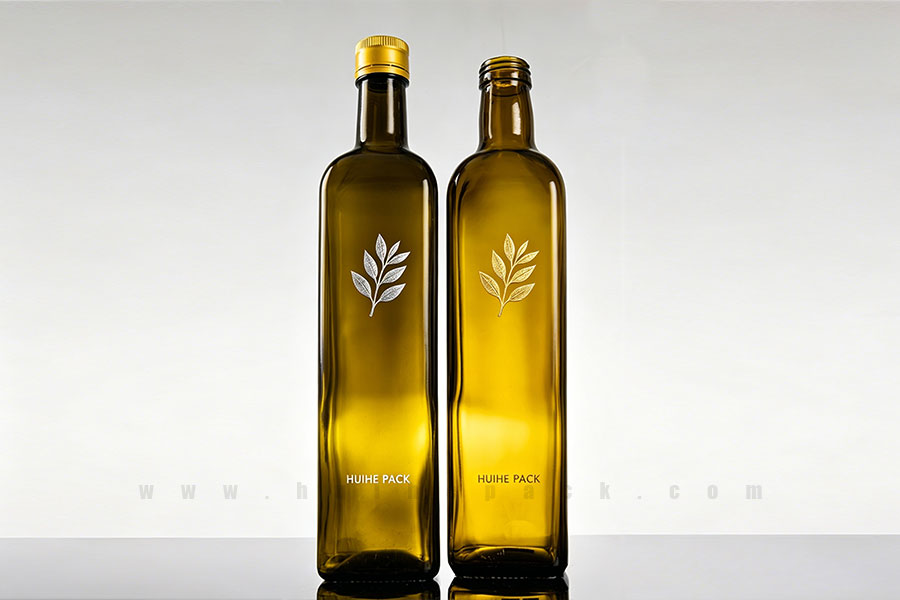
Square Sauce Bottles
Square bottles maximize storage and shipping efficiency because they fit closely together in cartons. Their flat sides also provide generous label space for branding and nutritional information.
Best for:
- BBQ sauce
- Steak sauce
- Cooking sauces
- Gourmet condiments
- Private label products
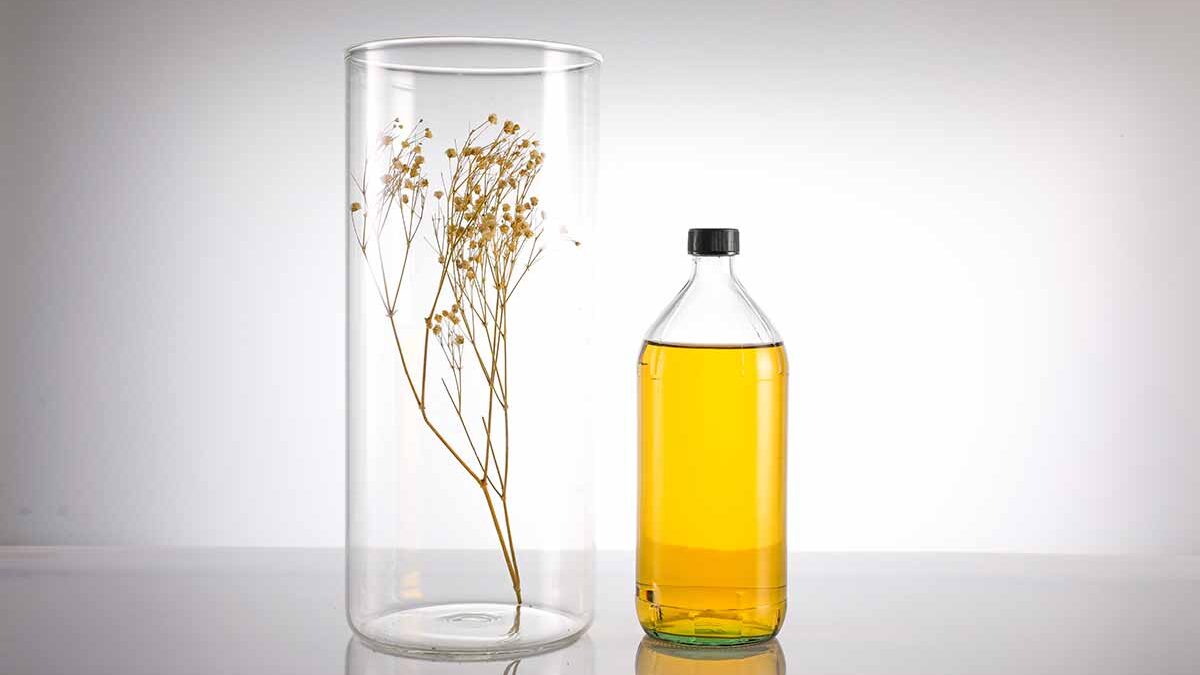
Round Sauce Bottles
Round bottles remain one of the most popular choices for glass sauce packaging. They are economical to manufacture, comfortable to hold, and suitable for automated filling lines.
Best for:
- Ketchup
- Tomato sauce
- Soy sauce
- Everyday table sauces
- General condiment packaging
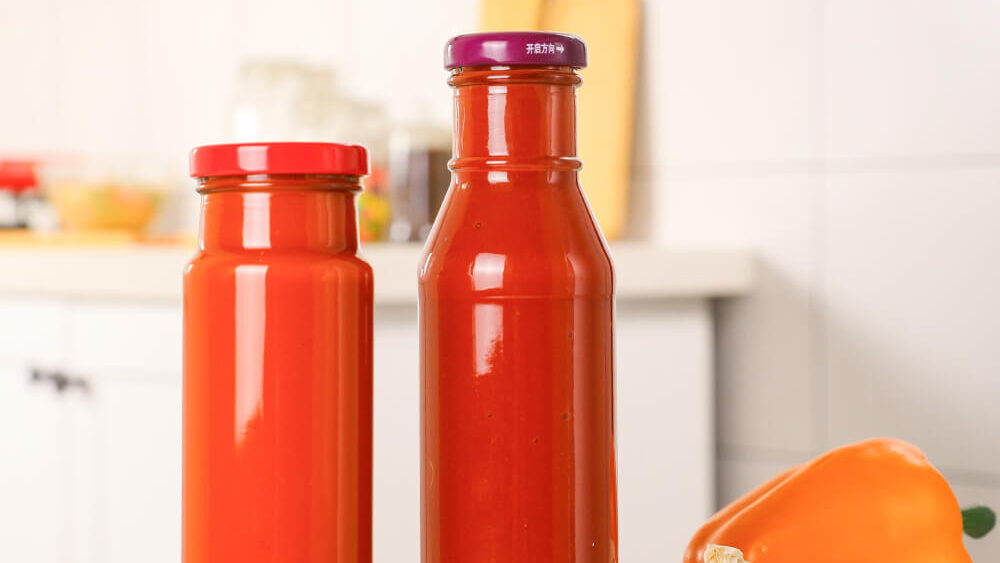
Ring Neck Bottles
Ring neck bottles feature a raised ring below the finish, giving the closure additional support and creating a traditional appearance. They are commonly used for classic condiment and food packaging.
Best for:
- Worcestershire sauce
- Vinegar
- Soy sauce
- Seasoning sauces
- Traditional condiment brands
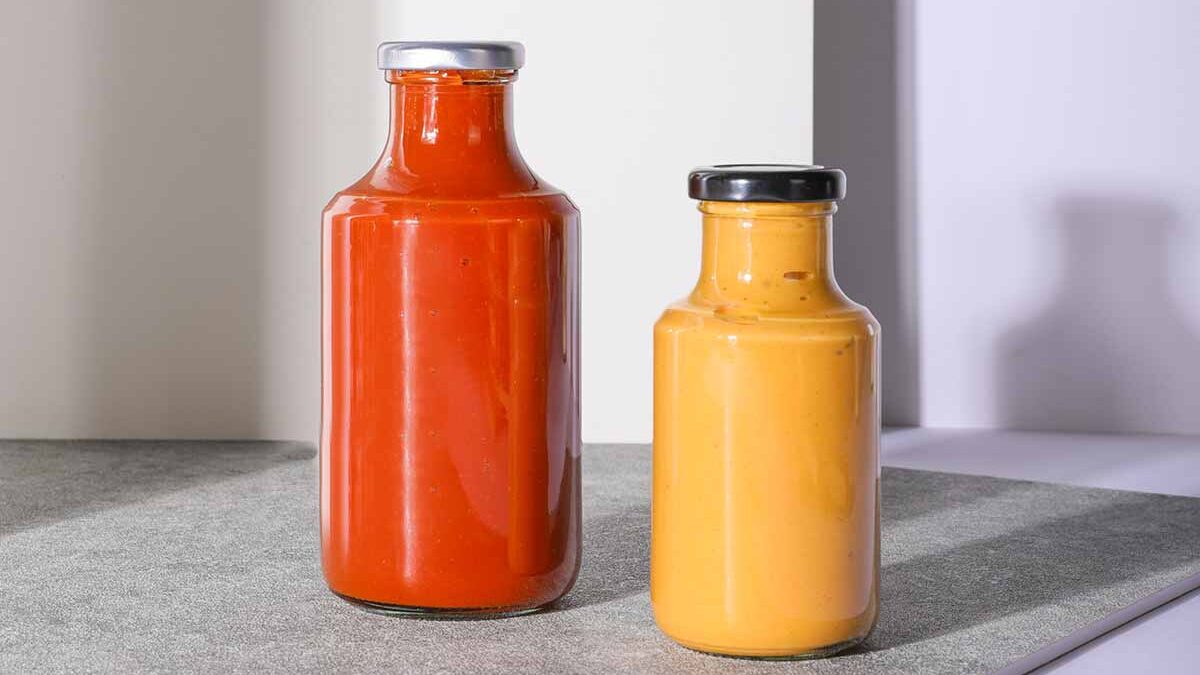
Stout Bottles
Stout bottles have a shorter, wider body than Woozy bottles, offering a stable base and a distinctive premium look. They are often selected for thicker sauces or artisan products that benefit from a more substantial package.
Best for:
- Thick chili sauce
- BBQ sauce
- Craft hot sauce
- Garlic sauce
- Premium gourmet sauces
Choosing the Right Closure for Your Sauce Bottle
The right closure is just as important as choosing the right glass sauce bottle. It affects sealing performance, pouring control, food safety, and the overall user experience. Before placing a wholesale order, make sure the closure matches your bottle finish, filling process, and product viscosity.
| Closure Type | Best For | Key Benefits |
| Metal Twist-Off Cap (Lug Cap) | Pasta sauce, tomato sauce, salsa, jam, cooking sauces | Creates a reliable vacuum seal, excellent for hot filling and long shelf life. |
| Plastic Screw Cap | Ketchup, BBQ sauce, soy sauce, marinades | Easy to open and reseal, suitable for everyday household use. |
| Flip-Top Dispensing Cap | Hot sauce, chili sauce, honey mustard, salad dressing | Allows controlled dispensing and minimizes spills during use. |
| Disc Top Cap | Thick sauces, mayonnaise, specialty condiments | Dispenses thicker products smoothly while keeping the bottle clean. |
| Push-Pull Sports Cap | Ketchup, squeeze sauces, foodservice condiments | Quick one-handed operation, ideal for restaurants and fast-paced kitchens. |
| Pour Spout Cap | Olive oil, vinegar, soy sauce, cooking sauces | Provides precise pouring and helps reduce product waste. |
| Tamper-Evident Cap | Retail food products, export packaging, private label brands | Offers visible evidence of first opening, improving food safety and consumer confidence. |
| Shrink Band + Standard Cap | Premium sauces, export products, gift packaging | Adds an extra layer of tamper protection while enhancing shelf presentation. |
Buying Tip: Always confirm that your bottle finish, cap specification, and filling equipment are compatible before mass production. Testing bottle and closure combinations with samples can help prevent sealing issues and improve production efficiency.
Wholesale Sauce Bottle Buying Tips
Choosing the right glass sauce bottle is only part of a successful packaging project. Before placing a wholesale order, you should also consider production, logistics, and future brand growth. These practical tips can help you avoid common packaging issues and reduce costs.
1. Decide Between Stock Bottles and Custom Bottles
If you need to launch quickly or have a limited budget, stock bottles are usually the best option. They require lower minimum order quantities and have shorter lead times.
Custom bottles are ideal if you want to build a unique brand identity. Although mold development requires additional investment, a custom bottle can help your product stand out on the shelf and make your packaging more difficult to copy.
2. Confirm Compatibility with Your Filling Line
Not every glass sauce bottle works with every production line. Before ordering, check that the bottle dimensions, neck finish, and closure are compatible with your filling, capping, and labeling equipment.
Request production samples whenever possible to test the complete packaging system before mass production.
3. Choose Food-Grade Glass and Reliable Quality Standards
Food safety should always come first. Make sure your supplier uses food-grade glass and follows strict quality control throughout production.
For export projects, many buyers also require compliance with standards such as FDA or EU food-contact regulations, along with consistent inspection procedures to ensure every bottle meets quality requirements.
4. Consider Decoration Options Early
Packaging is often the first thing customers notice. Planning decoration during the early stages helps avoid delays and ensures every component works together.
Popular customization options include:
- Silk screen printing
- Frosted finishes
- Color coating
- Decals
- Embossed or debossed logos
- Custom labels
For premium sauces and chili sauce brands, custom decoration can significantly improve shelf appeal without changing the bottle structure.
5. Think About Shipping and Storage Costs
Bottle shape affects more than appearance. It also impacts carton efficiency, pallet loading, and shipping costs.
Square and flat bottles usually make better use of carton space, while slim bottles may reduce product weight but require additional protection during transportation. Optimizing your packaging design can lower logistics costs, especially for large wholesale orders.
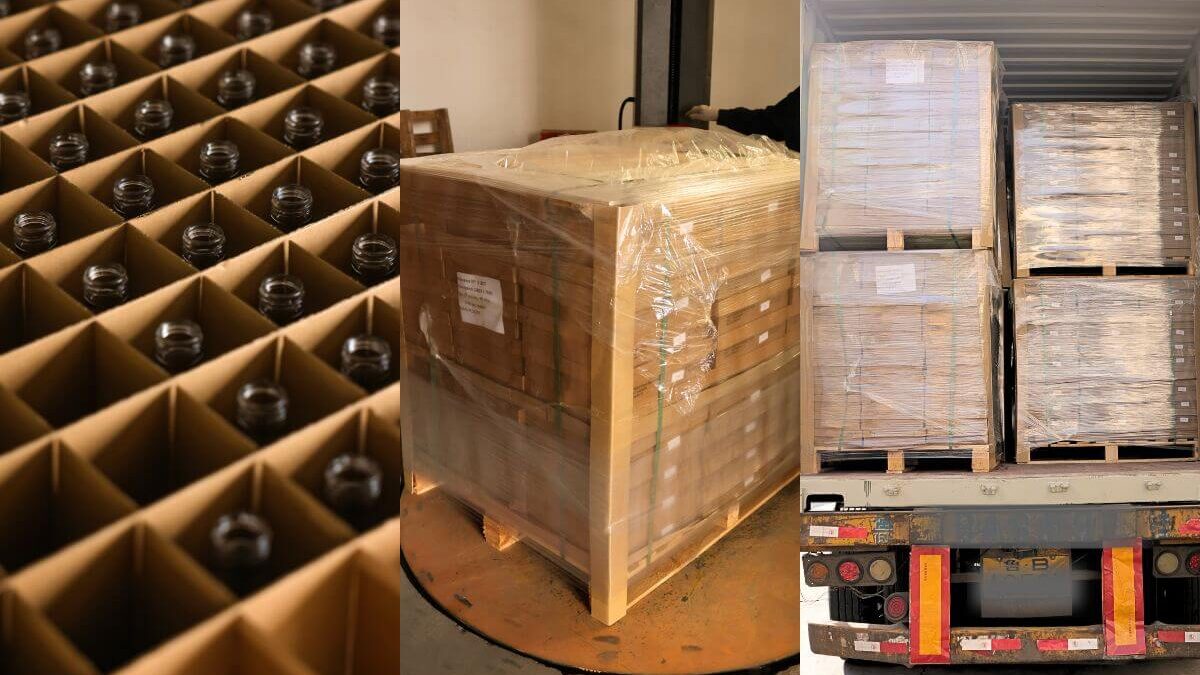
Why Choose HUIHE PACK for Wholesale Glass Sauce Bottles?
Choosing the right packaging supplier is just as important as choosing the right bottle. HUIHE PACK supplies glass sauce bottles for food manufacturers, private label brands, distributors, and importers worldwide, helping customers build packaging solutions that combine quality, efficiency, and brand value.
Wide Range of Bottle Sizes and Shapes
HUIHE PACK offers an extensive selection of glass sauce bottles, including Woozy bottles, Boston round bottles, square bottles, flat syrup bottles, ring neck bottles, stout bottles, and other classic food packaging designs. Standard capacities range from sample-size bottles to large foodservice containers.
OEM & Custom Manufacturing
Whether you need a stock bottle or a completely custom design, HUIHE PACK supports OEM and ODM projects, including custom molds, bottle colors, embossing, screen printing, frosting, spraying, and complete decoration services.
Reliable Quality for Food Packaging
Every bottle is manufactured under strict quality control to ensure consistent dimensions, reliable sealing performance, and compatibility with automated filling lines. This helps reduce production downtime and improves packaging consistency.
One-Stop Packaging Solution
In addition to glass sauce bottles, HUIHE PACK also supplies matching closures, decoration services, and customized packaging solutions, making sourcing easier and more efficient for your business.
Conclusion
Selecting the right sauce bottle size is about much more than capacity. The ideal bottle should match your product type, target market, filling process, closure system, and brand positioning.
Whether you’re packaging hot sauce, chili sauce, ketchup, BBQ sauce, or gourmet condiments, choosing the right glass sauce bottle helps improve product presentation, protect quality, and create a better customer experience.
If you’re planning your next food packaging project, working with an experienced glass sauce bottle manufacturer can help you select the right bottle size, shape, and closure while simplifying sourcing and production from start to finish.

References
Food & Drug Administration (FDA). Food Packaging & Food Contact Substances.